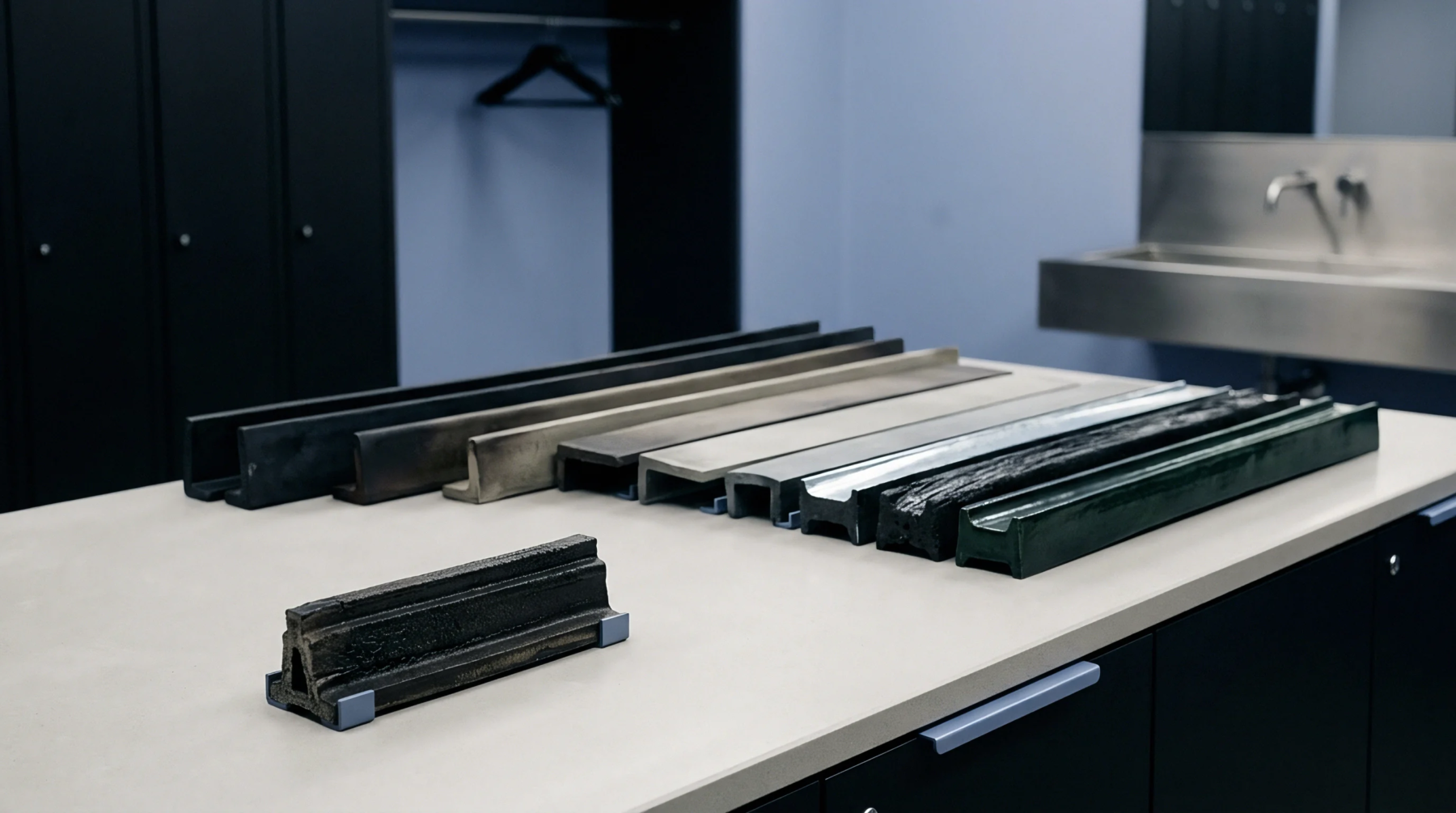
Meaning
Solid carbonaceous material composed of crystalline graphite grains bonded by a pyrolytic matrix forms a hydrocarbon ceramic. These materials function through the controlled thermal decomposition of gaseous precursors such as methane or propane within a porous fibrous preform. The resulting structure provides high thermal conductivity while maintaining structural rigidity at extreme temperatures where conventional metallic alloys lose their tensile strength.
Thermal Tolerance
Components crafted from hydrocarbon ceramic withstand temperatures exceeding two thousand degrees Celsius during atmospheric reentry or high speed propulsion cycles. Engineers select this material for its low coefficient of thermal expansion which prevents catastrophic cracking when heating rates reach several hundred degrees per second. A thermal barrier coating often sits atop the ceramic base to prevent oxidation of the internal carbon matrix during extended exposure to ionized airflows.
Mechanical Load
Strength values for this category of ceramic remain stable under intense compressive forces even as the surrounding ambient pressure fluctuates during flight maneuvers. Load paths distribute across the dense pyrolytic layers, ensuring the integrity of the part remains intact during vibration testing or sonic fatigue. Manufacturers verify these mechanical properties through destructive sampling of witness coupons that undergo the same chemical vapor infiltration cycle as the primary flight hardware.
Interconnect Compatibility
Integration of this specialized material requires specific mounting hardware to accommodate the divergent expansion rates between ceramic fasteners and metallic support frames. Fasteners manufactured from titanium or high nickel alloys require oversized holes and compressible washers to prevent point loading at the interface sites. Successful implementation relies on a precise gap control strategy that maintains alignment during steady state operations despite the inherent difference in material stiffness between the ceramic component and its host assembly.