Determining Class Two Permissive Change Triggers for Integrated Wireless Modules
Determine Class Two Permissive Changes by tracking antenna gain shifts, physical separation drops under 20 cm, host shielding degradation, and emission deltas.
Determine Class Two Permissive Changes by tracking antenna gain shifts, physical separation drops under 20 cm, host shielding degradation, and emission deltas.

Modifying modular radio traces or antenna layouts voids host grant rights, forcing Class II permissive changes or complete re-filings across global markets.
Dynamic exposure telemetry compliance across global markets requires regional firmware tables that reconcile short US averaging windows with long European periods.

Antenna spatial shifts inside enclosures breaching 20 cm or changing mutual coupling trigger mandatory Class II Permissive Changes and empirical SAR retesting.

Portable radio module substitutions require Class II permissive changes when co-located SAR ratio sums exceed unity or antenna gain increases.
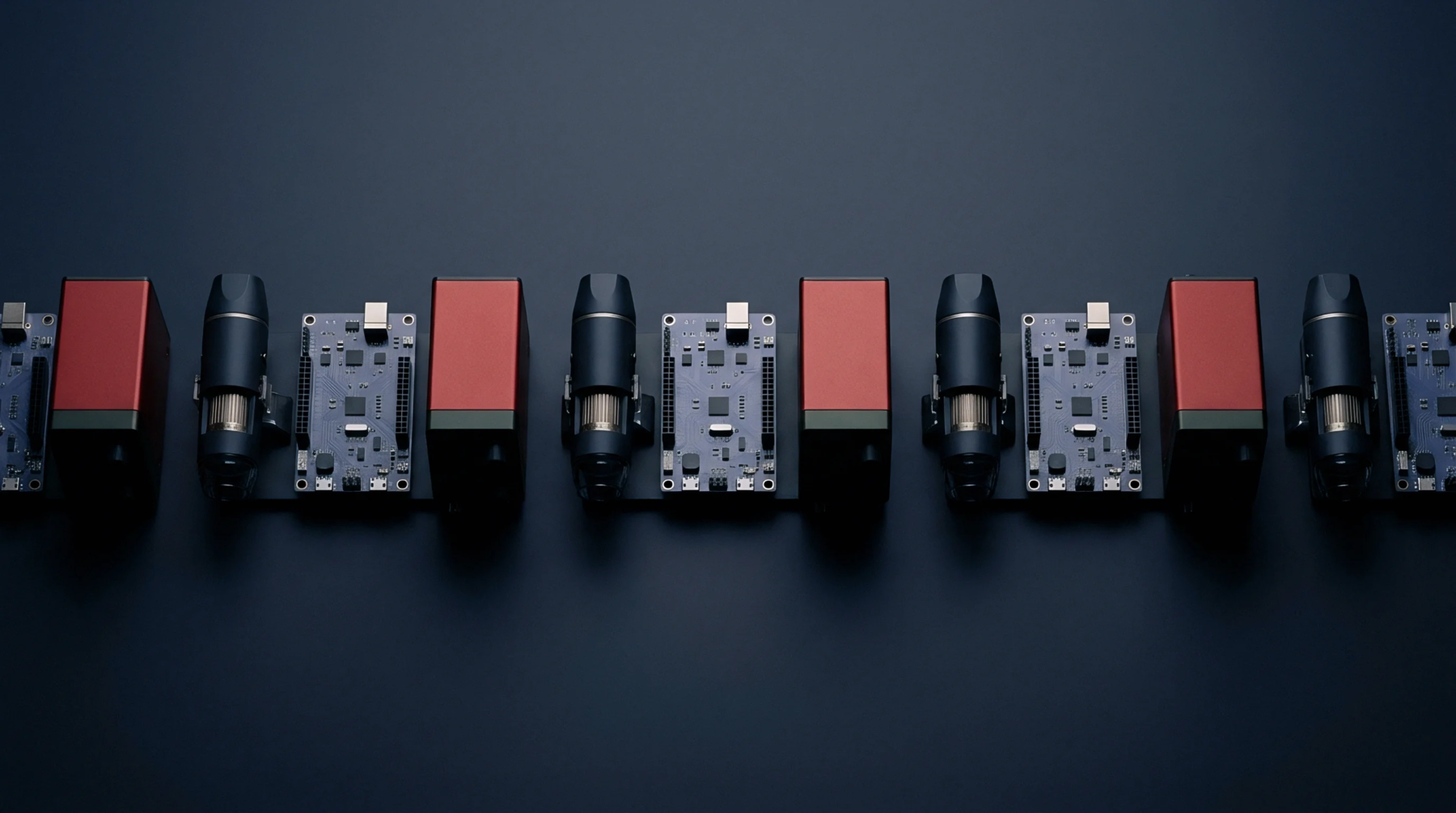
Substituting multi-vendor RF modules requires verifying output power parity and trace geometry before filing a Class II Permissive Change or new FCC ID.

Overmolding alters module RF characteristics, demanding Class II permissive changes when dielectric loading detunes antennas or alters SAR separation.
Expertise is a utility, not a secret. sentiention™ publishes its working knowledge as open reference: intelligence layer covering the materials it sources, the markets it enters, and the reference that serves both.