Meaning
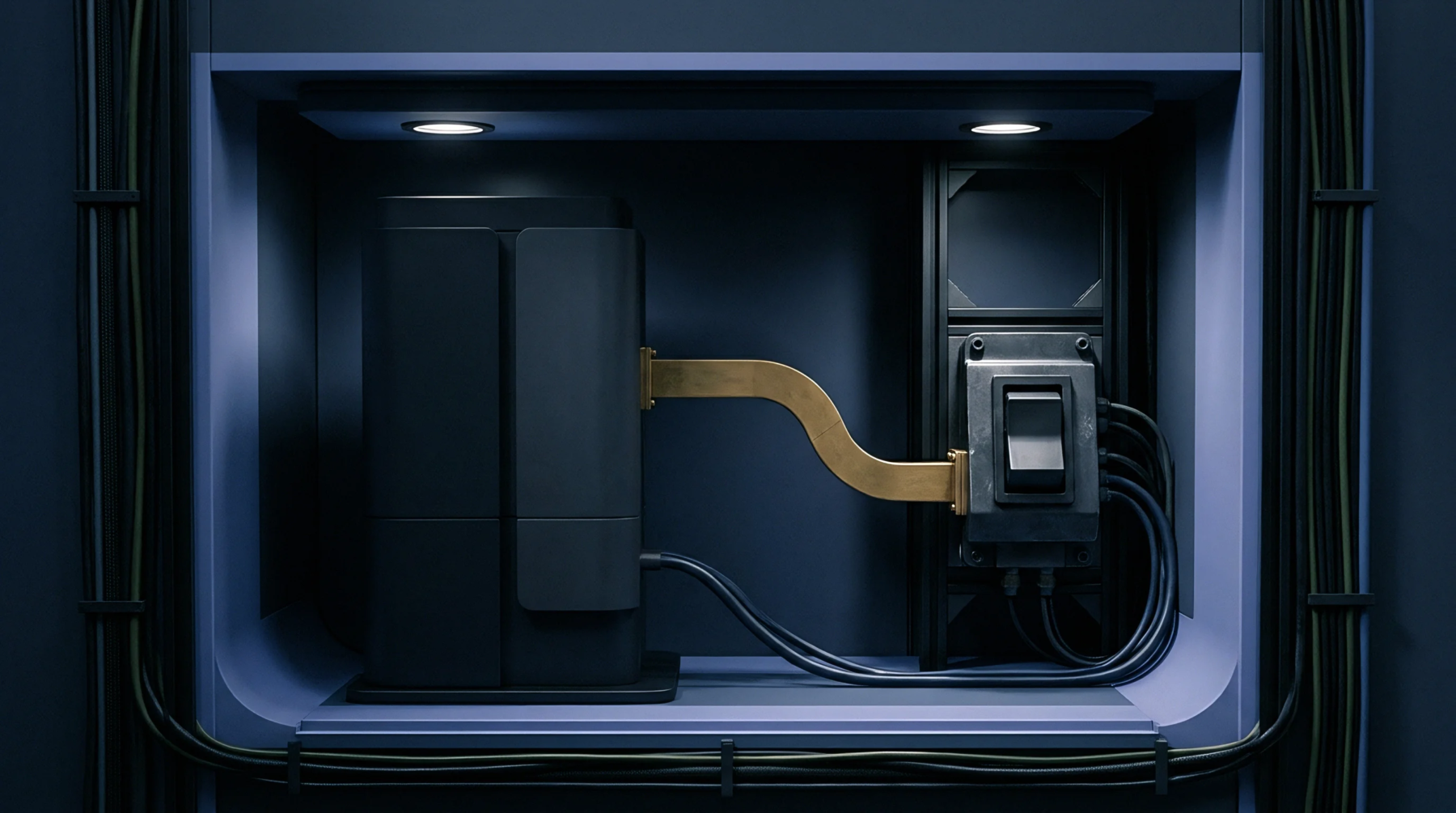
Rotation of a wireless device during electromagnetic compatibility testing relies on a support structure that minimizes signal reflection and absorption. No metal parts are used in the construction above the motor base. This choice ensures that the only metallic influence on the signal comes from the device under test.
Use of a low permittivity turntable ensures that the radiation pattern is not distorted by the presence of the test stand.
Dielectric Property
Use of materials with a low dielectric constant prevents the support structure from altering the radiation pattern of the antenna. A low permittivity turntable is typically constructed from expanded polystyrene or specialized foams that mimic the properties of air. This choice ensures that the electromagnetic waves pass through the stand without significant refraction.
Angular Precision
Integration of a stepper motor allows the platform to rotate in increments as small as half a degree. The low permittivity turntable supports the device through a full three hundred and sixty degree sweep to map the three dimensional gain profile. Accuracy in positioning is necessary to identify the narrow nulls in the signal of a high frequency radio.
Test Repeatability
Stability of the mounting surface guarantees that every test run produces consistent data for certification reports. Because the low permittivity turntable does not interact with the field, the results reflect only the performance of the device and its internal antenna. Engineers rely on this consistency to compare different firmware versions or hardware revisions.