Meaning
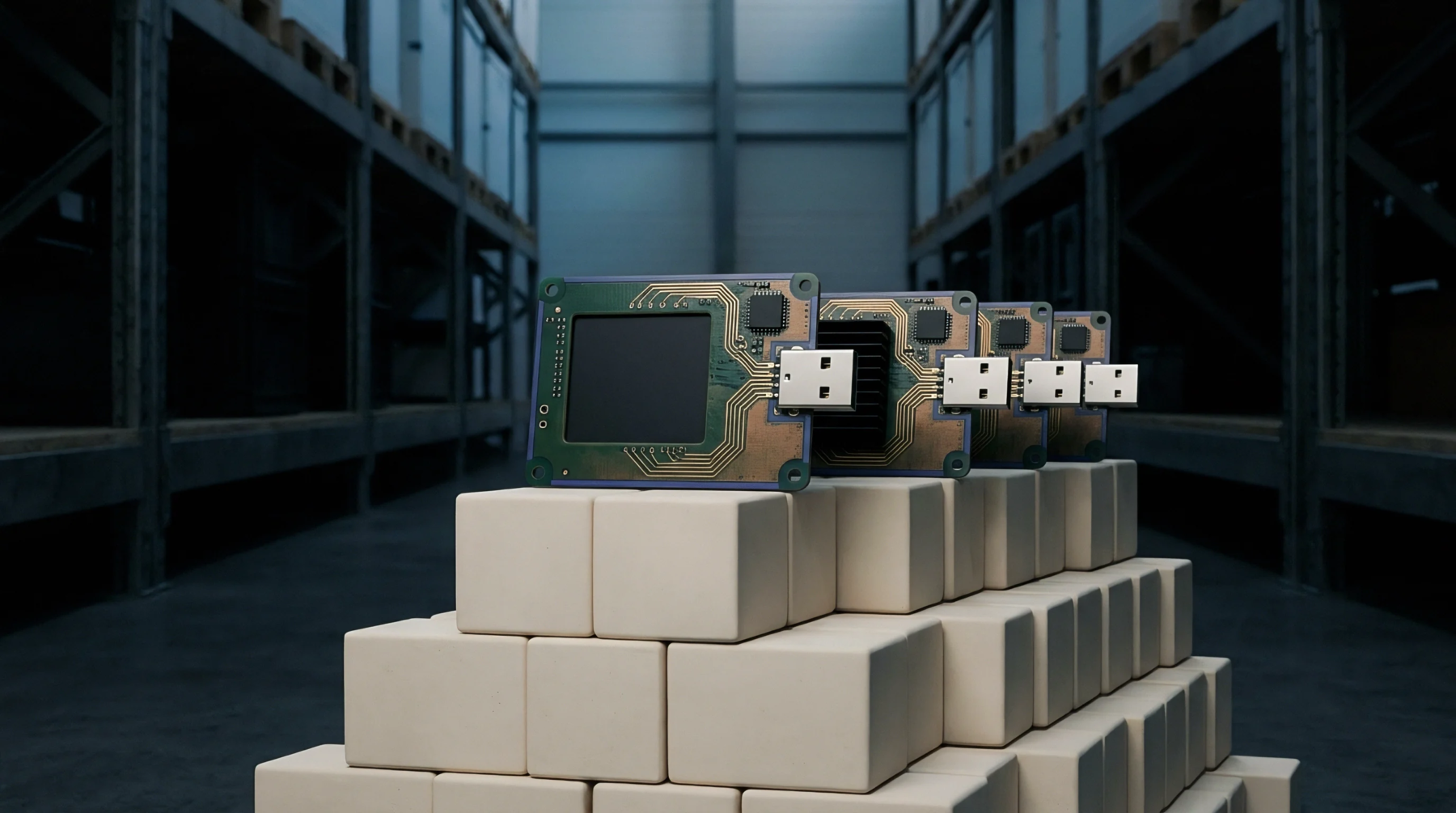
Assembly of wireless transceivers into larger electronic host systems requires careful alignment of hardware interfaces and regulatory certifications. Successful modular radio integration involves placing the pre-certified module onto a mainboard without disrupting the existing transmitter properties. This technique accelerates product development by bypassing the full wireless approval process for the host device.
Physical Interface
Connectors, shielding, and antenna traces must follow the specifications set by the module manufacturer. Deviation from the reference layout can alter the emission profile, which invalidates the existing radio certificate. Developers must maintain clear separation from high-speed digital buses to prevent cross-talk.
Verification Testing
Laboratory testing confirms that the combined host and module do not generate emissions above the legal limits. Radiated spurious emissions are measured in an anechoic chamber to verify that the modular radio integration has not compromised the radio spectrum. This test represents the final boundary before commercial shipping, and it must be completed by an accredited test laboratory.
Product Labeling
The host device must bear a physical label stating that it contains the certified radio module. This label lists the FCC or CE identification numbers. It informs regulators and consumers that the module operates legally within the host.