Meaning
The high performance laminate material is designed for use in multilayer circuit boards that require low dielectric loss and high signal integrity. Using megtron 6 provides a stable substrate for data rates exceeding ten gigabits per second in connectivity modules and network equipment. This material features a very low dielectric constant and a small loss tangent, which minimizes signal attenuation at high frequencies.
It is typically reinforced with low profile copper foil to reduce skin effect losses and improve the overall electrical performance. The material remains stable across a wide range of temperatures, making it suitable for demanding thermal environments. Its application is limited by the cost relative to standard FR-4 materials for less critical circuits.
Dielectric Stability
Maintaining consistent electrical properties across different frequencies and operating temperatures is a key requirement for high speed digital designs. When megtron 6 is used, the dielectric constant varies very little, which ensures that the impedance of the traces remains within the design tolerances. This stability prevents signal timing issues that can occur when the propagation velocity changes with the environmental conditions.
Designers use this predictability to create complex multilayer boards with hundreds of high speed differential pairs. The low moisture absorption of the material also contributes to its long term reliability in outdoor or industrial settings. This consistency is verified during the qualification of the board fabricator to ensure that the material meets the specified performance levels.
Reliable dielectric behavior is essential for the success of advanced radio systems.
Glass Reinforcement
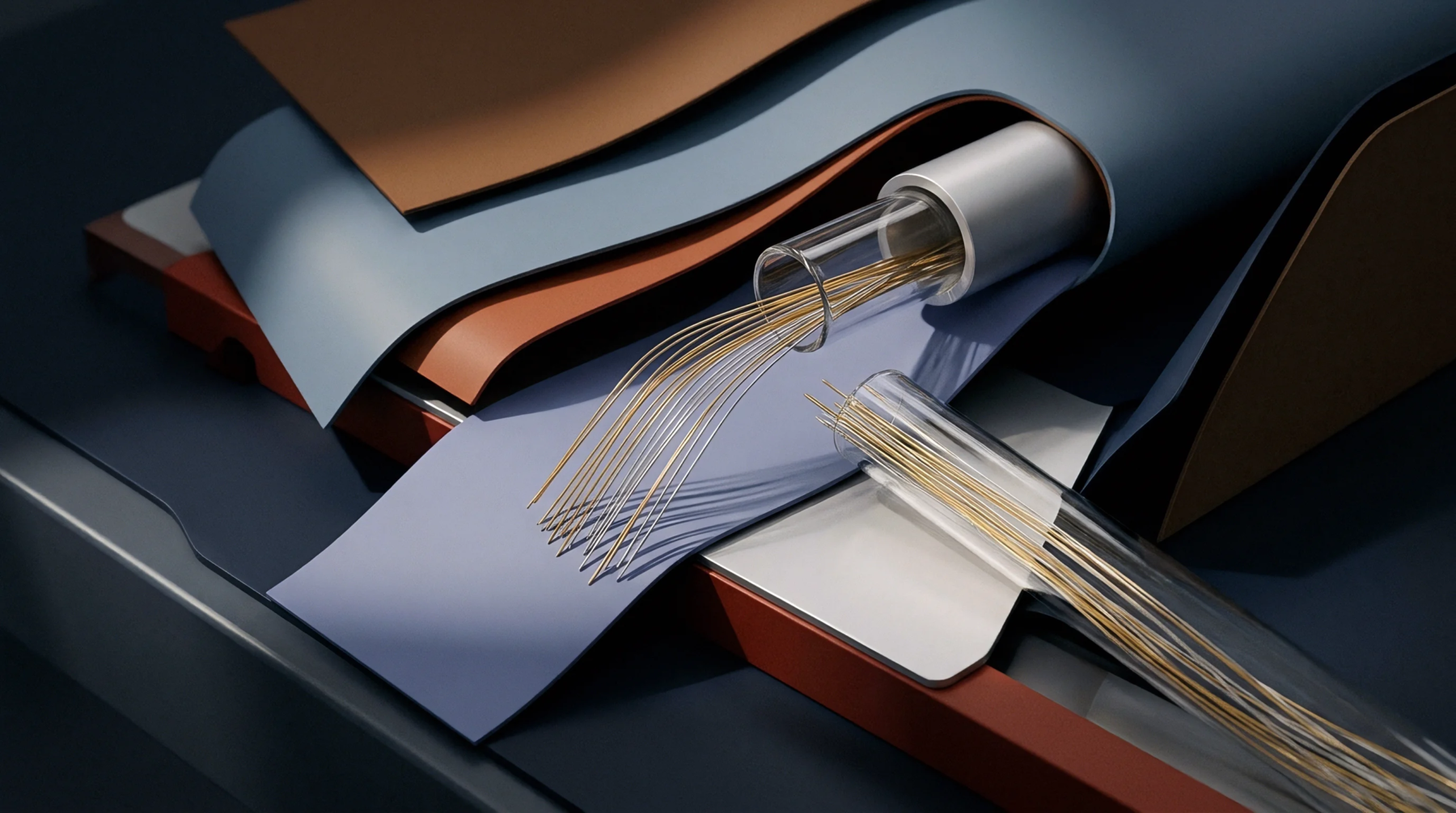
Mechanical strength and dimensional stability are provided by the woven glass fibers that are integrated into the resin matrix. While megtron 6 is known for its electrical properties, the type of glass used also impacts the signal integrity. Low dielectric glass options are available to further reduce the loss and minimize the glass weave effect that causes timing skew in differential signals.
The manufacturing process involves saturating the glass cloth with the high performance resin and then curing it under heat and pressure. This results in a robust material that can withstand the stresses of the soldering process without delaminating or warping. Proper selection of the glass style is a part of the stackup design process for high layer count boards.
The resulting assembly is capable of maintaining its structure throughout its service life.
Signal Attenuation
Reducing the loss of energy as the signal travels along the trace is necessary for maintaining the reach of high speed data links. Because megtron 6 has a much lower dissipation factor than standard epoxy resins, the signals can travel further before requiring amplification or regeneration. This is particularly important for backplane applications and long trace runs on motherboards.
The use of very smooth copper foil further reduces the resistive losses at the surface of the conductor. Engineers perform insertion loss measurements on test coupons to verify that the material meets the expected performance levels for the production batch. This data is used to confirm the simulation models and to ensure that the final product meets its throughput goals.
High quality laminates are the foundation of modern high speed communications.