Meaning
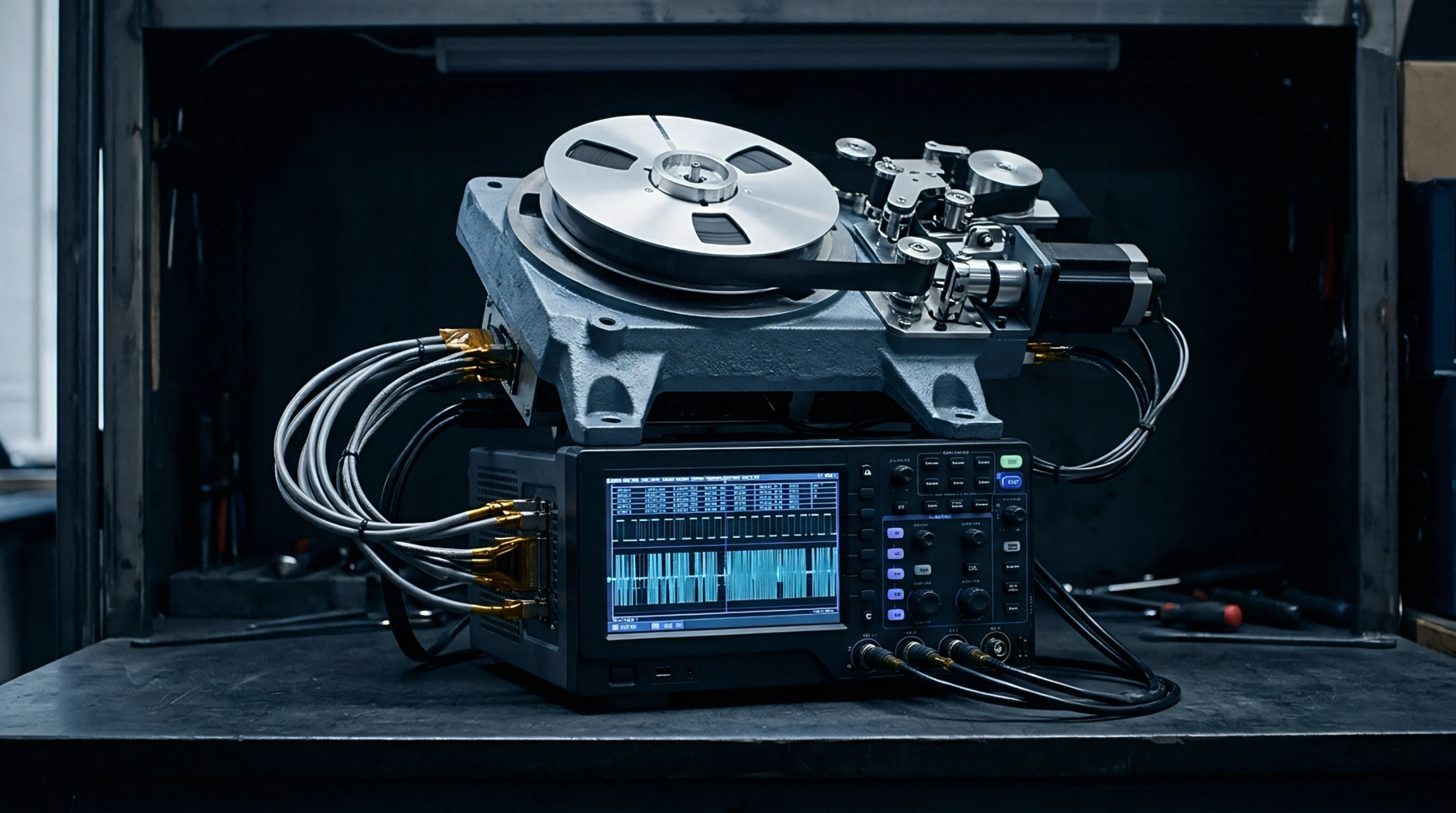
One-time expenses incurred during the development and implementation of specialized measurement systems are essential for establishing quality control on a new production line. The metrology non recurring engineering includes the custom design of test fixtures and automated inspection scripts. This initial investment does not recur with each unit produced, but it is necessary to ensure that the assembly line can verify product compliance against design specifications.
Cost Allocation
Distributing these development costs across the projected production volume is a key task in product financial planning. When production volumes are high, the metrology non recurring engineering per unit is low, making the initial investment easier to justify. For specialized low-volume modules, however, these upfront costs can represent a significant portion of the total unit cost.
Product managers must balance the depth of the initial test plan against the projected volume to ensure that the product remains profitable.
Fixture Customization
Custom test fixtures must be designed to accommodate the unique physical form factor and connector layout of each new device. This process involves mechanical design of RF shielding boxes and interface boards that route signals to laboratory instruments. The design of these fixtures must be completed and validated before the first production run begins.
Any errors in the fixture design can delay the product launch and increase the overall engineering spend.
Software Development
Writing and debugging the automated test sequences that control the instruments forms a major part of the non-recurring engineering effort. This software must run efficiently to keep cycle times within production limits.