Meaning
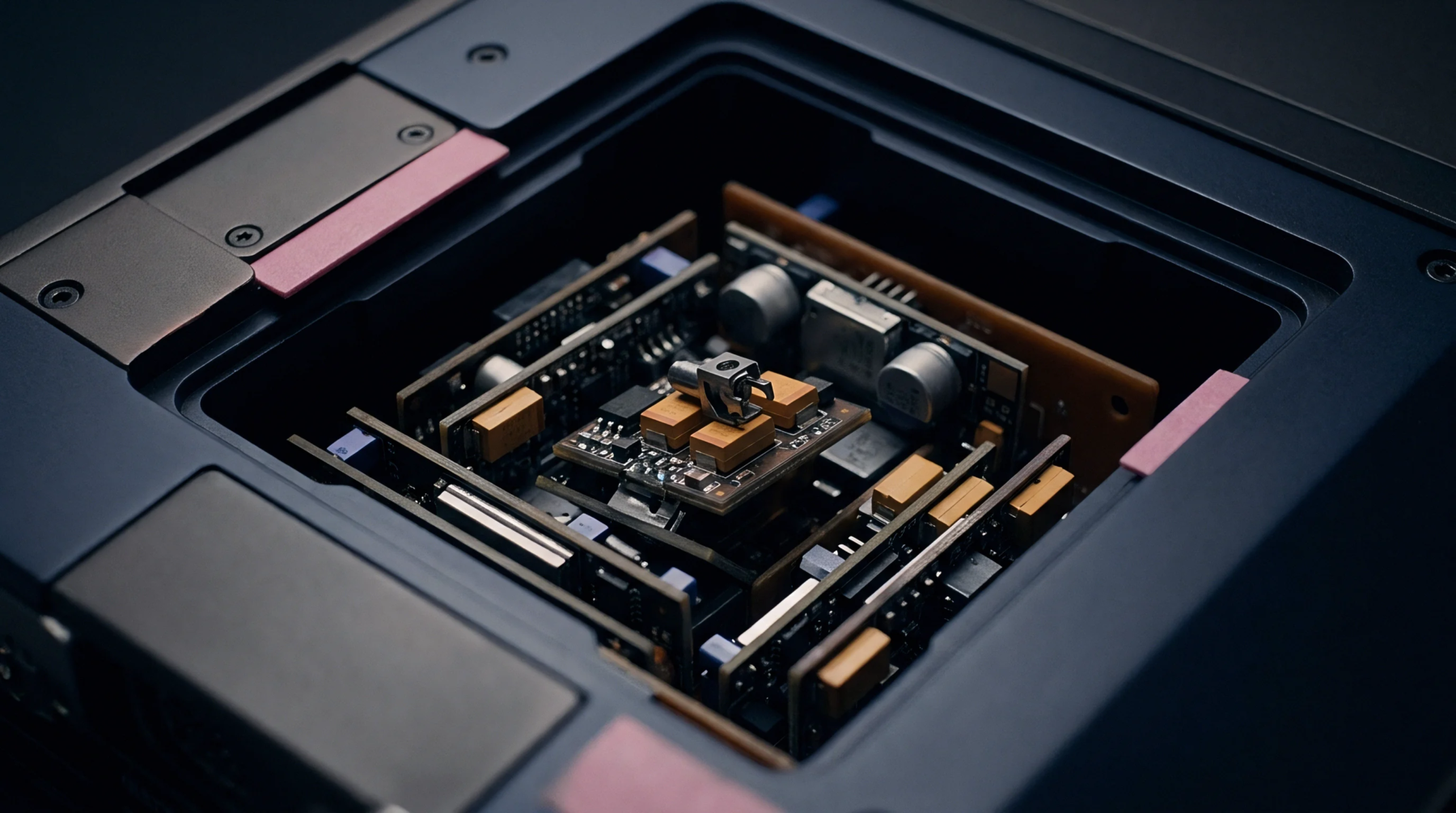
Electronic assemblies small enough to be integrated into rings and medical patches represent the limit of modern miniaturization for body-worn sensors. These micro-wearables collect biometric data and transmit it to a host device. Their small volume forces a tight integration between the antenna and the battery.
Component Density
Printed circuit board design for extremely small form factors requires the use of high-density interconnect technology. In micro-wearables, every square millimeter of board space is utilized, often leading to the use of flexible circuits that can fold into a three-dimensional shape. This density increases the risk of thermal interference.
Thermal Management
Heat dissipation is a challenge when electronic components are in direct contact with human skin. Engineers designing micro-wearables must ensure that the outer surface temperature remains within safe limits during peak processing or charging events. Passive cooling through the casing is usually the only available method for heat removal.
Power Constraint
Battery capacity is the primary factor limiting the operational life and feature set of small sensors. Because micro-wearables have tiny internal volumes, they often rely on specialized coin cells or thin-film batteries with low milliamp-hour ratings. To extend usage, the software must implement aggressive sleep cycles and use low-power radio protocols.
Device utility is directly tied to the efficiency of these power management routines.