Meaning
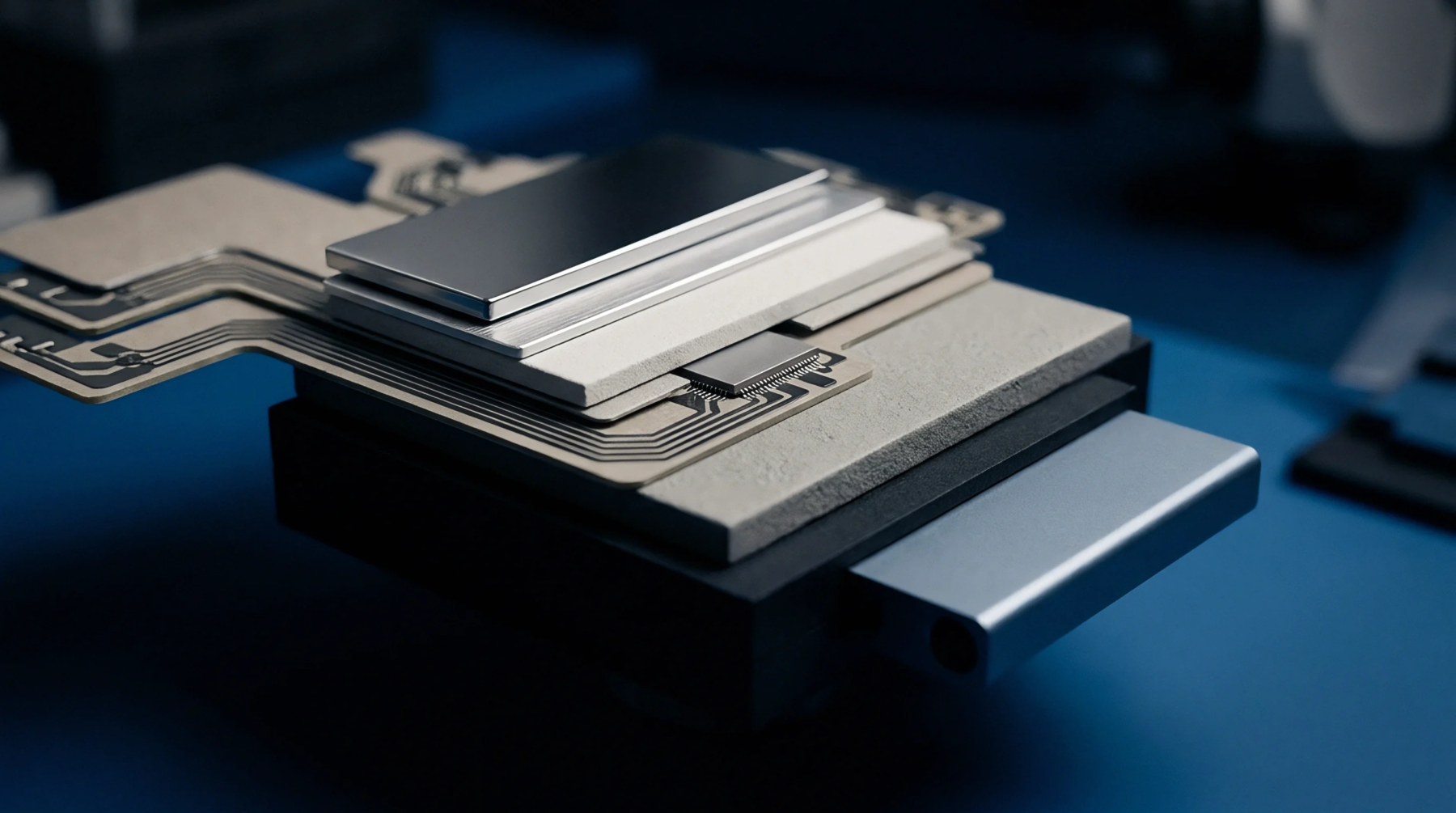
Embedded software analysis requires continuous observation of system memory and execution state without altering the execution timing of the workload. Using non-intrusive shadow profiling, specialized hardware on the microprocessor die captures processor program counter samples and memory transaction states silently in the background. This diagnostic technique allows developers to gather execution metrics on production firmware without inserting instrumented probe instructions into the code.
Execution Mechanism
On-chip tracing units utilize dedicated silicon buses to access internal registers without consuming core execution cycles. When performing non-intrusive shadow profiling, the hardware monitor samples the execution state of the processor at fixed clock intervals or on specific hardware triggers. This trace data gets routed to a dedicated internal memory or to an external interface.
Testing teams analyze these samples to build a statistical distribution of execution times for different code modules.
Memory Footprint
Hardware-based diagnostic mechanisms avoid the need to allocate memory buffers in system RAM. This ensures that non-intrusive shadow profiling does not affect the software memory layout. The compiler can optimize the code without reserving any registers or stack space.
Performance Validation
System verification engineers use these execution profiles to detect anomalies in safety-critical communication systems. The non-intrusive shadow profiling data helps identify interrupt service routines that exceed their execution time budgets under peak network conditions. This identification allows firmware engineers to refactor critical functions before release.
Production acceptance test plans incorporate these profiling runs as part of the overall software quality check to guarantee that deterministic requirements are met across all system operating modes. This validation occurs without interfering with the live execution of the product.