Meaning
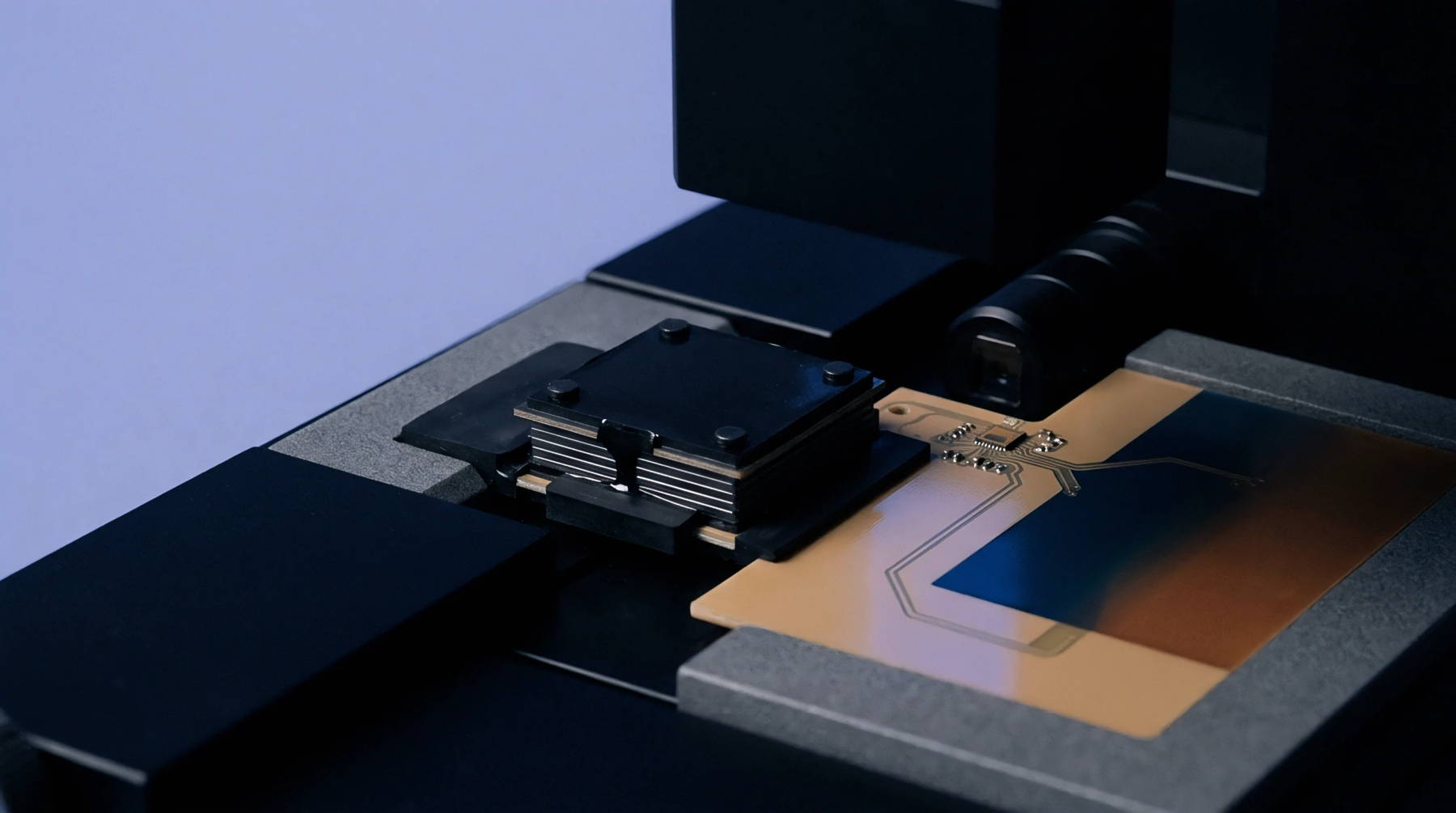
Actuator control modules provide the interface between low voltage logic and high voltage ceramic loads. Designers utilize a piezoelectric drive circuit to manage the high capacitive loads inherent in these transducers. This system converts a control signal into a displacement by applying a precise electric field.
Voltage Regulation
Generation of high potential differences is necessary to achieve the desired mechanical stroke. The piezoelectric drive circuit often uses a boost converter or a transformer to reach hundreds of volts from a standard battery rail. Steady output is required to prevent jitter in the actuator position.
Capacitive Response
Electrical characteristics of the ceramic material resemble a large capacitor and present a complex reactive load to the driver. A piezoelectric drive circuit must handle the rapid charging and discharging of this capacitance during high frequency operation. This requires high peak currents that can stress the output transistors and traces.
Designers often include specialized current limiting features to protect the semiconductors during the initial power up phase. Active cooling or large heat sinks are frequently required to dissipate the energy lost in the switching components during continuous motion cycles.
Energy Recovery
Efficient designs incorporate methods to recapture the charge stored in the actuator during the discharge phase. An advanced piezoelectric drive circuit can return this energy to the supply rail to reduce the total power draw. This capability is particularly useful in portable devices where battery life is a primary constraint.