Meaning
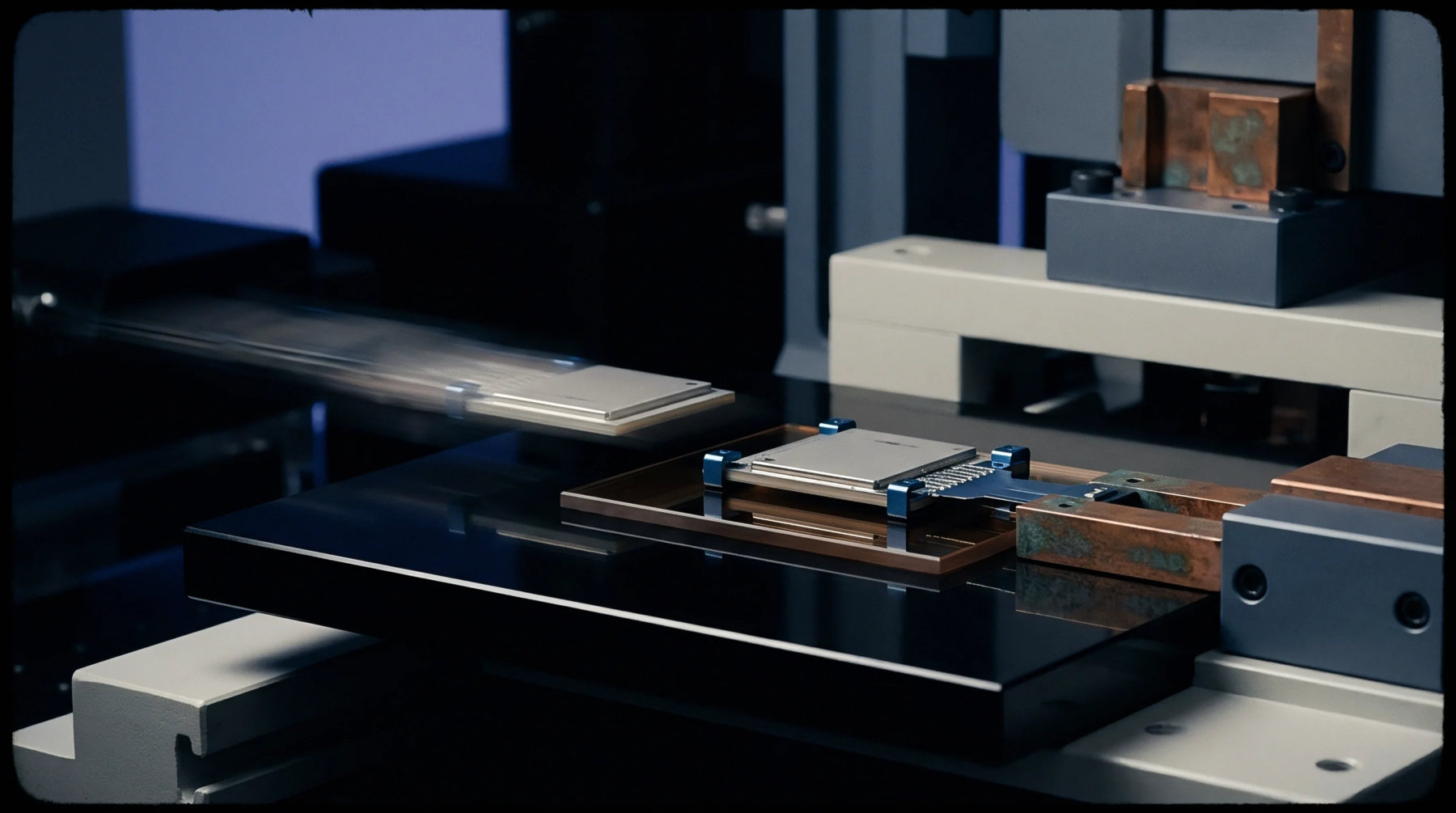
Hardware property denoting that two components share an identical physical footprint and electrical layout. Selecting a pin compatible part allows for multiple supply sources without changing the circuit board design.
Substitution Flexibility
Designers select alternatives that allow a circuit board to accept different brands of the same functional unit without a layout change. A pin compatible module ensures that the power pins, ground planes and signal paths line up perfectly with the existing copper pads. This flexibility protects the manufacturer against supply chain disruptions and unexpected component obsolescence.
Electrical Agreement
Compatibility also requires that the voltage levels and signal functions on each pin match the original specification. While the mechanical fit is identical, the internal logic of a pin compatible device must be verified to ensure it behaves correctly in the system. Small differences in timing or drive strength are evaluated during the qualification of a second source supplier.
Board Versatility
Universal footprints permit the same base design to support a family of products with varying performance levels. High-speed signal traces must still be designed to accommodate the slight electrical differences between pin compatible components. The ability to swap modules without retooling the enclosure or the circuit board lowers the total development cost for product variations.