Meaning
Mechanical interface degradation occurs when repeated friction removes the protective metal coating on electrical connector contacts. This progressive loss of material, known as plating wear, exposes the underlying base metal to atmospheric oxygen and moisture. Standard gold or tin plated terminals are designed to withstand a specific number of insertion cycles before the barrier layer is compromised.
The degradation is particularly severe in environments subject to continuous vibration or temperature fluctuations.
Degradation Mechanism
Repeated mating and unmating of cable assemblies forces the metal surfaces to slide against one another under contact pressure. This friction causes plating wear by scraping away micro-layers of the protective gold plating. Once the underlying nickel or copper barrier is exposed, it starts to oxidize and form a resistive film.
This oxidation process increases the electrical resistance across the connection and can lead to intermittent signals. In extreme cases, the metal debris generated by friction can accumulate and cause short circuits.
Reliability Effect
Long-term hardware operation is compromised when electrical contacts lose their protective finish. In systems affected by plating wear, high-speed digital communications can experience data loss and signal distortion. The increased resistance can also cause localized heating in high-power circuits, which accelerates thermal breakdown.
This degradation can lead to system failures in critical industrial equipment.
Diagnostic Test
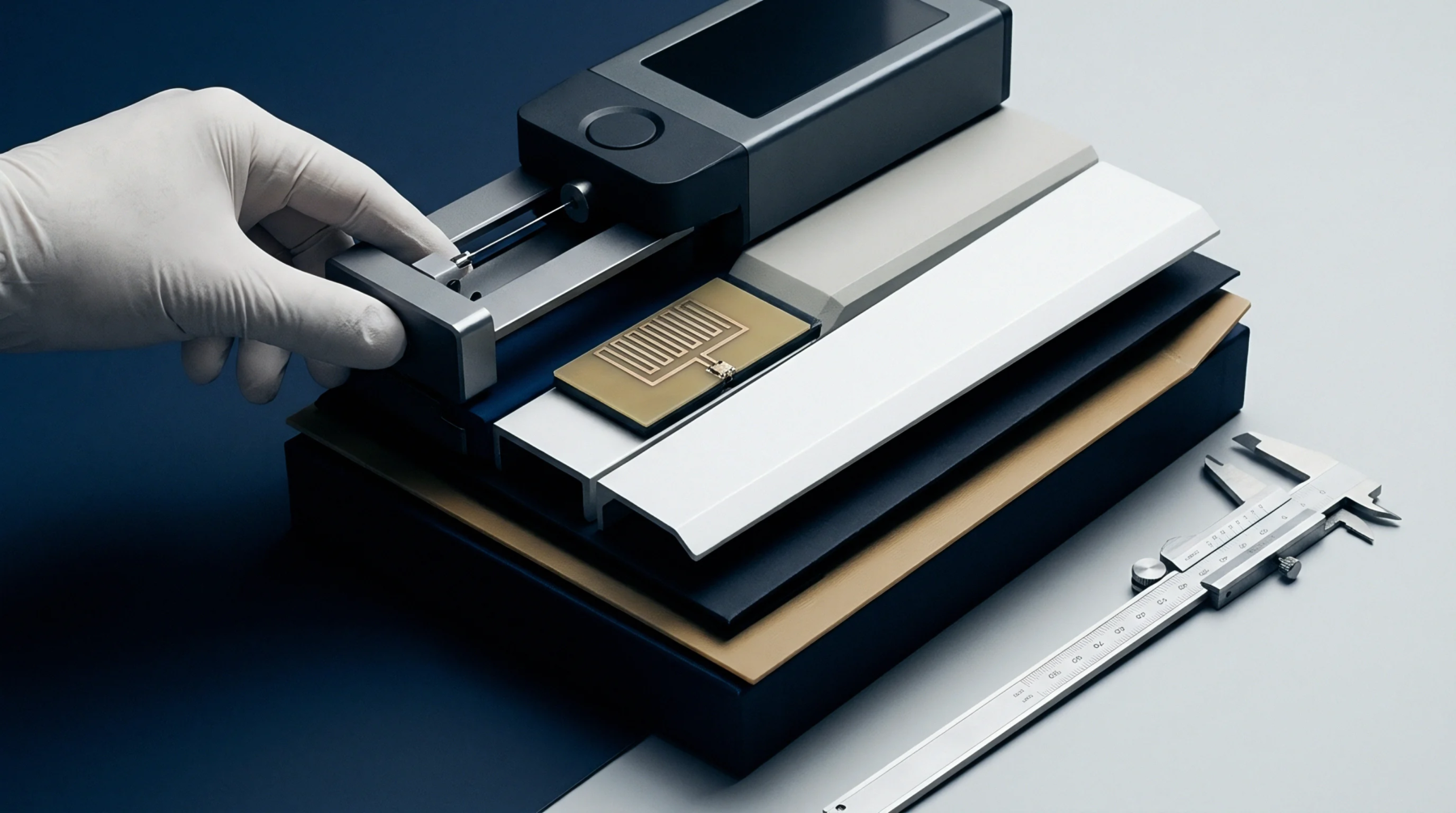
Laboratory technicians assess the durability of connectors using specialized cycle testing machines. To analyze plating wear, the connectors undergo a specified number of insertion cycles before being examined under a microscope. Microscopic analysis reveals the extent of surface damage and material transfer.