Meaning
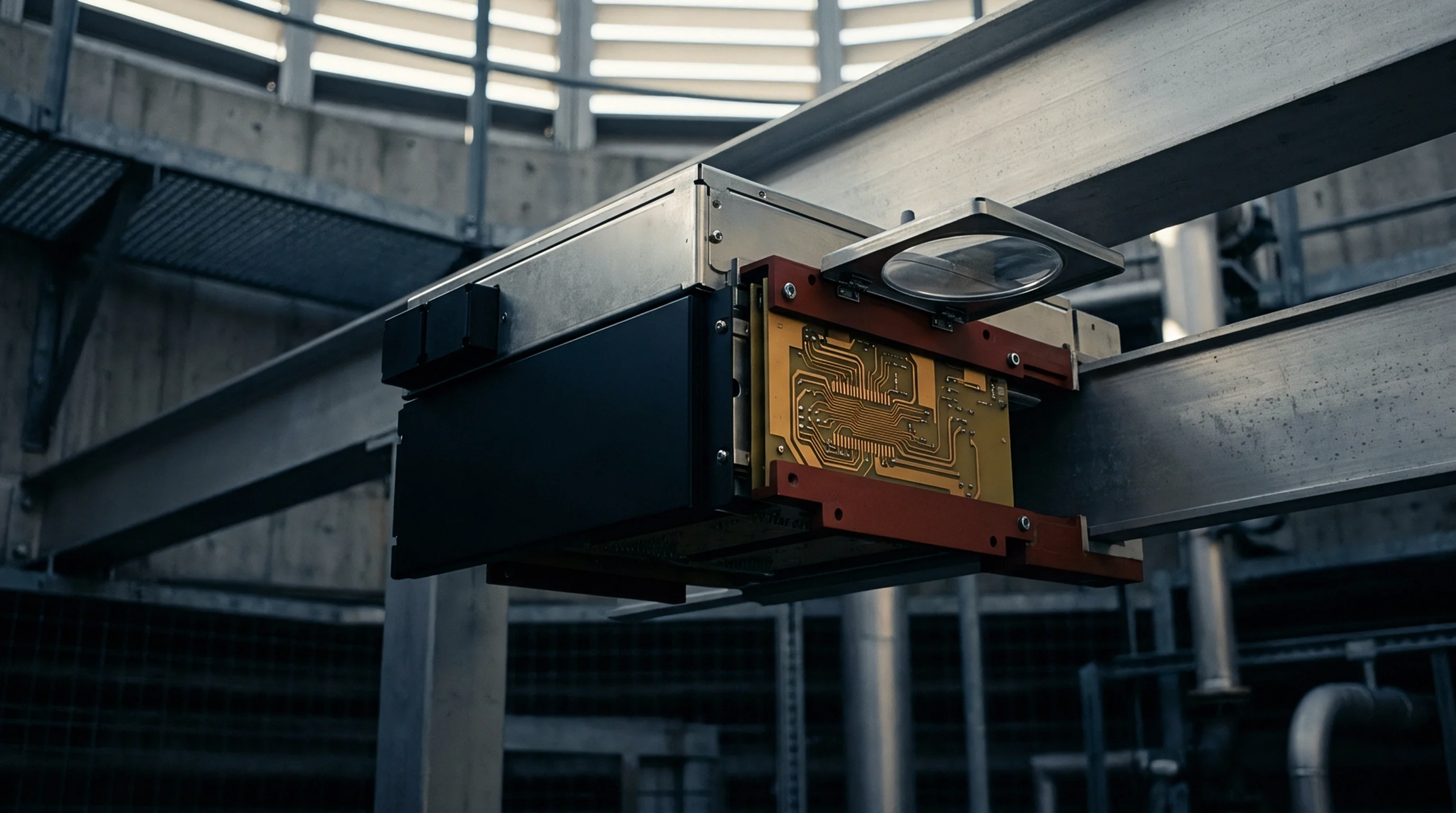
Pocket coplanarity measures the angular and vertical deviation between mounting cavities within an enclosure and the matching alignment pins on a printed circuit board assembly. Maintaining pocket coplanarity ensures that high-density interconnects mate uniformly without inducing mechanical shear or localized stress fractures during final fastener torquedown. Thermal cycling exerts differential expansion forces across joined substrates, which makes tight pocket coplanarity tolerances mandatory to preserve solder joint integrity under high operating temperatures.
Thermal Stress
Component placement introduces localized thermal gradients that interact directly with housing geometry. Enclosures manufactured from die-cast aluminum exhibit different contraction rates compared to the fiberglass reinforced polymers of standard printed circuit boards. When an assembly undergoes repeated power cycling, mismatched expansion rates generate continuous shear loads at the perimeter mating zones.
Tight pocket coplanarity distributes these thermal loads evenly across all contact points rather than concentrating stresses on a single corner post or securing fastener.
Assembly Variance
Manufacturing tolerances during housing fabrication dictate the baseline variation of pocket depths and locating feature positions. Injection molding and die casting introduce dimensional drift caused by cooling rates and tool wear. Production engineers verify pocket coplanarity during the incoming quality inspection phase using coordinate measuring machines to scan the multi-axis height maps of each chassis lot.
If measured variance exceeds established thresholds, the housing batch undergoes secondary machining or rejection before the component placement stage begins.
Mechanical Interface
Final integration relies on consistent fastener preloads to pull mating surfaces into face contact without warping the internal substrate. Uneven pocket depths prevent proper seating of the connector blocks and lead to intermittent electrical faults during vibration testing. Strict adherence to pocket coplanarity guarantees that insertion forces remain predictable across every manufactured unit leaving the factory floor.