Meaning
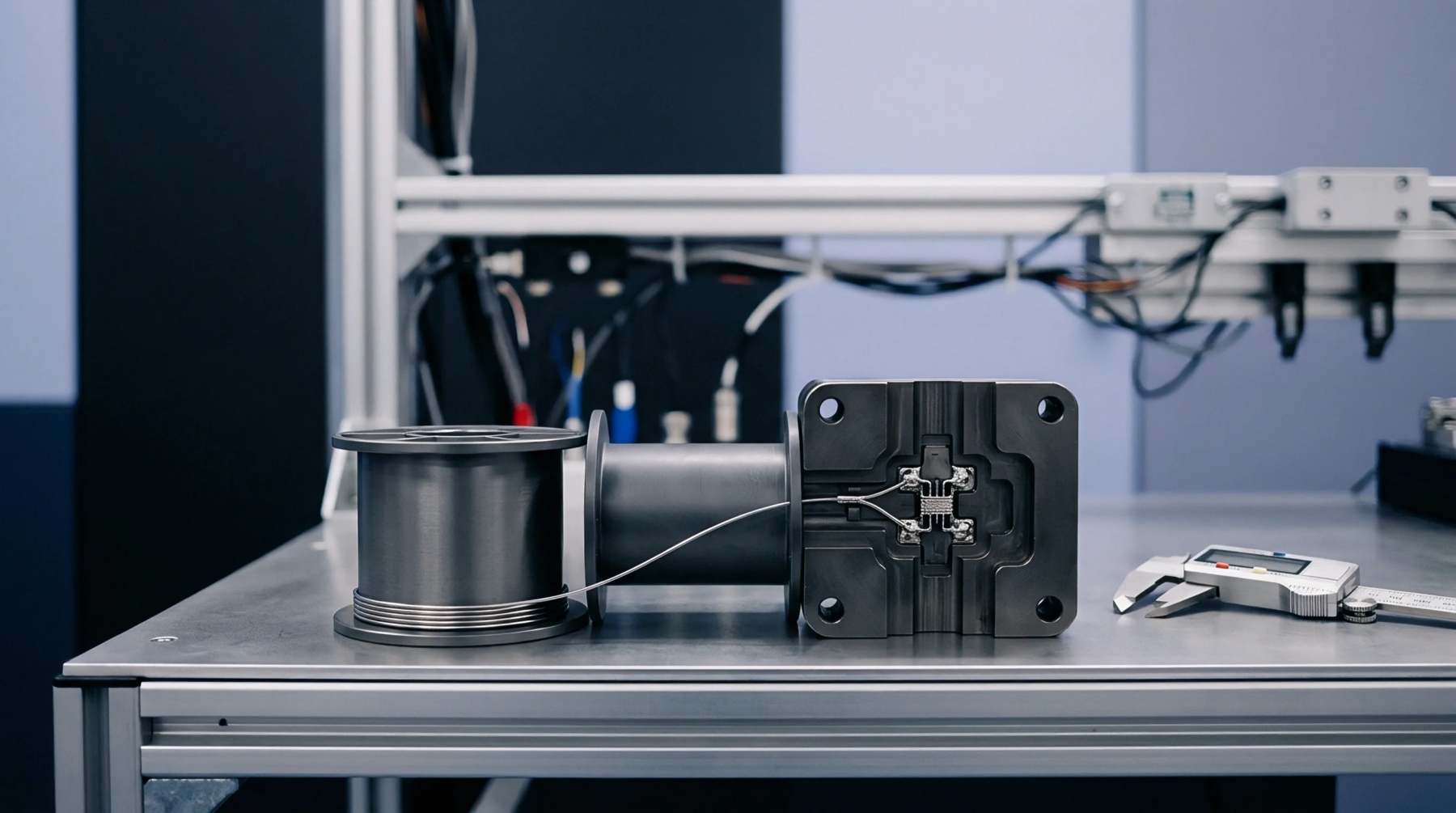
Legal entitlements allow a manufacturer to keep physical custody of client-owned tooling and inventory until outstanding production bills are settled. Under possessory retention rights, a factory can refuse to release expensive injection molds or microchip testers if the device brand defaults on payments. This immediate leverage forces resolution without the delay of court proceedings.
Commercial Impact
Stalling the release of tooling can freeze a company’s entire supply chain by preventing production from moving to a competitor. When a brand’s primary molding tool is locked under possessory retention rights, all hub assembly stops. This disruption can cause severe market shortages, damage retail relationships, and lead to contract penalties for empty shelves.
The brand must weigh the cost of the unpaid bill against the massive losses of an inactive product line.
Legal Scope
Statutes require that the retained property must have been worked on by the manufacturer to justify the hold. A supplier cannot seize unrelated assets that were simply stored in the facility without a contractual agreement. This restriction protects the client from overreaching during financial disputes.
Dispute Resolution
Resuming shipments or retrieving the tools requires the client to settle the unpaid invoices or establish a third-party escrow account. Once the financial obligation is satisfied, the possessory retention rights expire and the manufacturer must release the assets. This transition is documented in a formal settlement contract.