Meaning
Degradation of radio frequency receiver sensitivity caused by internal noise sources or strong out-of-band signals reduces effective wireless communication range. Receiver desense occurs when clock harmonics, switching regulator noise, or transmitter leakage raise the noise floor of the RF front end, obscuring weak incoming signals. Quantified as the reduction in minimum detectable signal power in decibels, this performance drop compromises link reliability in integrated devices.
Resolving desense requires identifying coupling paths between digital noise generators and sensitive antenna inputs.
Harmonic Interference
High speed digital data buses radiate harmonics that fall directly within cellular and Wi-Fi operating bands. During receiver desense conditions, low level signals cannot be decoded properly by the baseband processor, leading to dropped packets and reduced data throughput. Filtering supply lines and shielding noisy processor ICs prevents harmonic energy from reaching antenna ports.
Transmitter Leakage
Co-located high power transmitters leak energy into adjacent receiver front ends, driving low noise amplifiers into compression. Mitigation involves inserting narrow band notch filters between the antenna switch and receiver input nodes.
Measurement Methodology
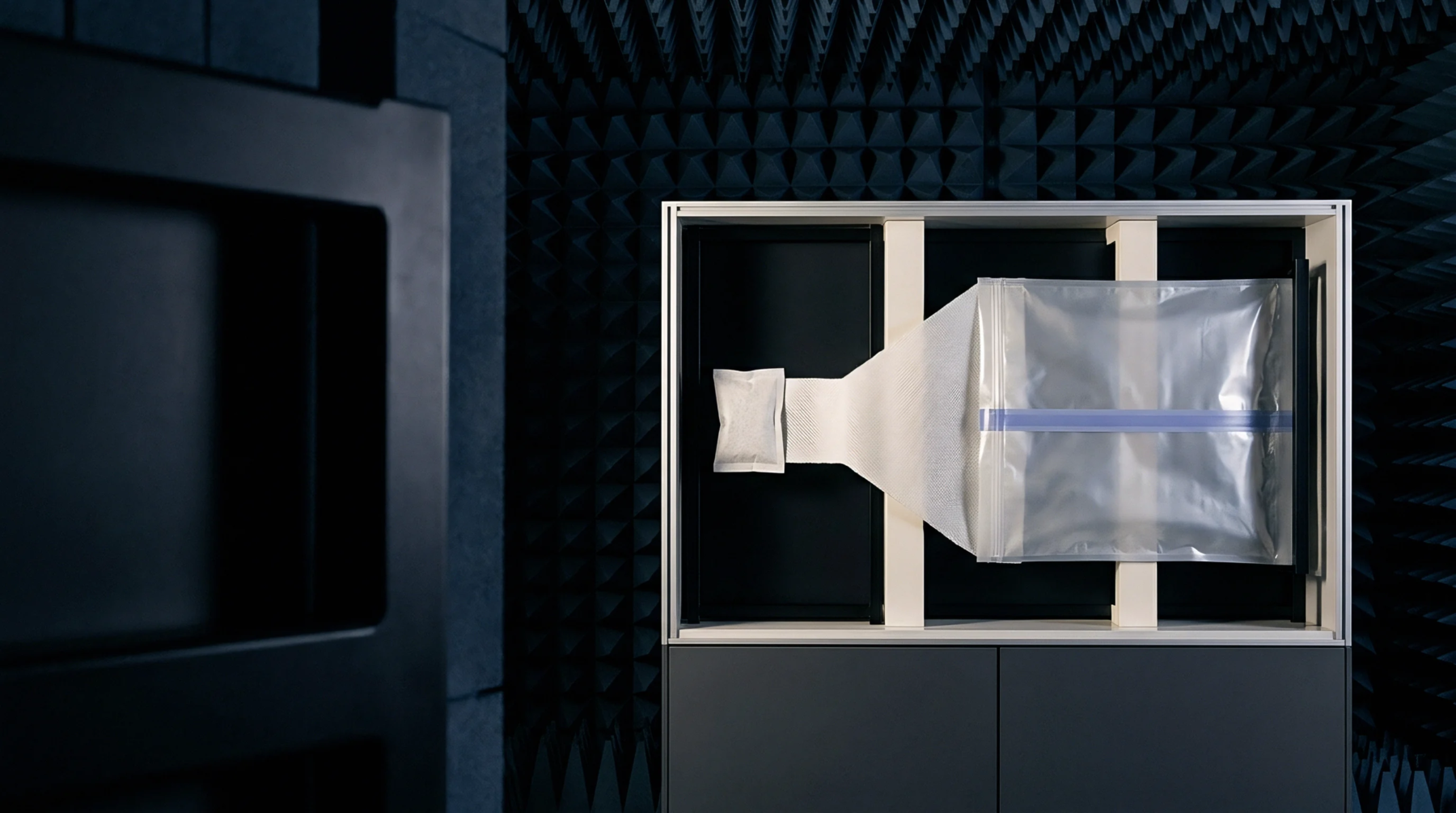
Radiated sensitivity testing inside anechoic chambers quantifies noise floor degradation across all active operational channels. Measuring carrier-to-noise ratio degradation identifies specific clock frequencies responsible for performance loss.