Meaning
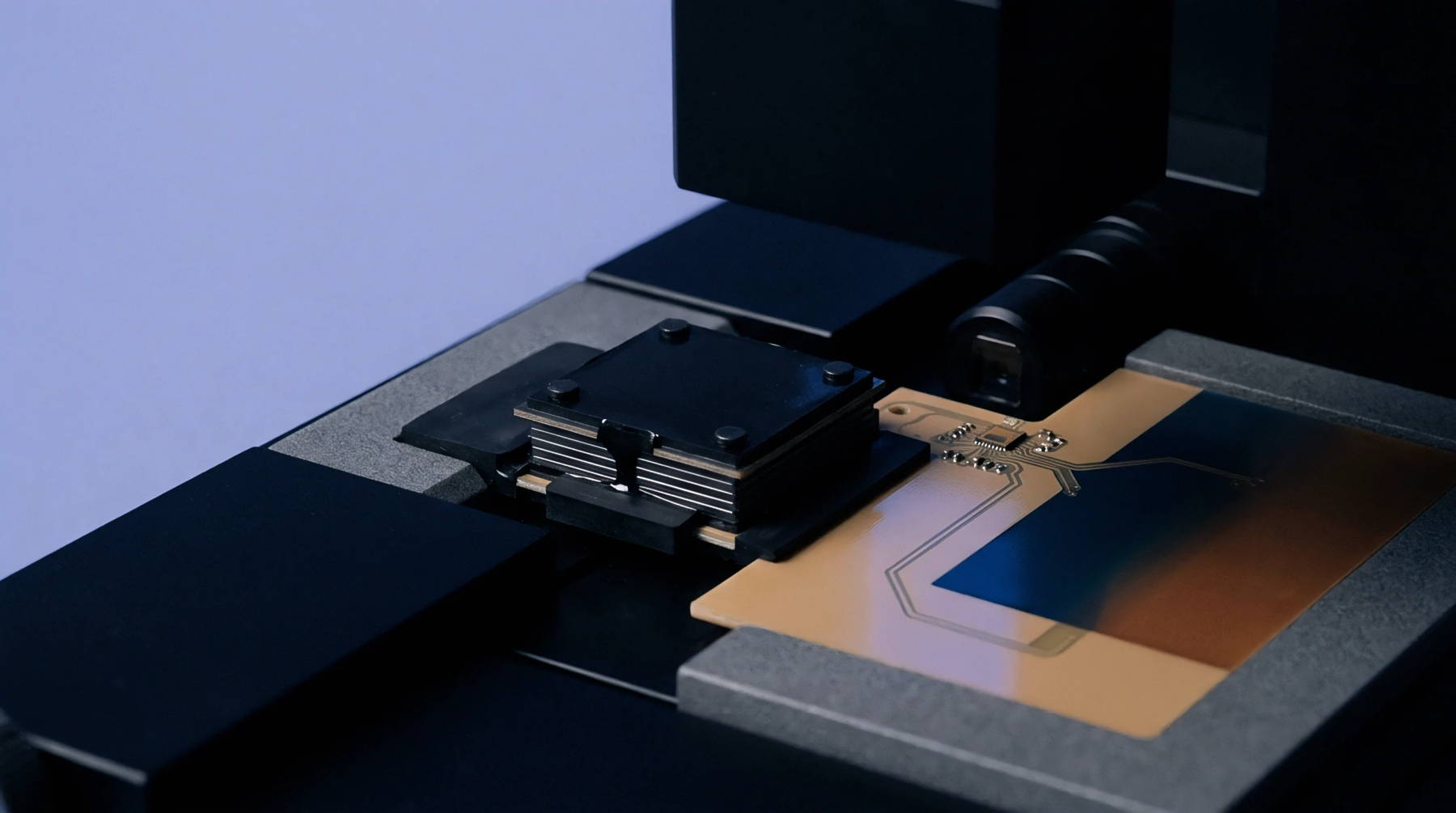
Production of electronic circuit boards relies on a series of specialized machines that place and solder surface-mount components directly onto the substrate. This SMT manufacturing line begins with the application of solder paste through a stencil and ends with the final inspection of the completed assembly. It enables the high-speed placement of thousands of components per hour with high precision.
The boundary of the line is the handover to the functional testing or enclosure assembly stations.
Placement Precision
High-speed pick and place machines use advanced vision systems to align the pins of a component with the pads on the board. Inside the SMT manufacturing line, these robots can handle parts as small as a grain of sand. The accuracy of this placement is critical for fine-pitch radio frequency modules where even a slight misalignment can degrade signal quality.
Sensors monitor the vacuum pressure on the nozzle to ensure every part is correctly picked from its carrier tape.
Thermal Profile
Soldering occurs in a multi-zone reflow oven that heats the entire board to a precise temperature to melt the paste without damaging the components. The SMT manufacturing line must be calibrated for each specific board design to ensure the heat is distributed evenly. Too much heat can delaminate the board, while too little heat creates weak, unreliable solder joints.
Engineers use a thermal profiler to measure the temperature at different points on the assembly as it moves through the oven.
Quality Inspection
Automated optical systems scan the board for missing parts, solder bridges, poor wetting or skewed components at the end of the process. This stage of the SMT manufacturing line provides the data needed to adjust the stencil printer or the placement machines. Consistent quality depends on this feedback.