Meaning
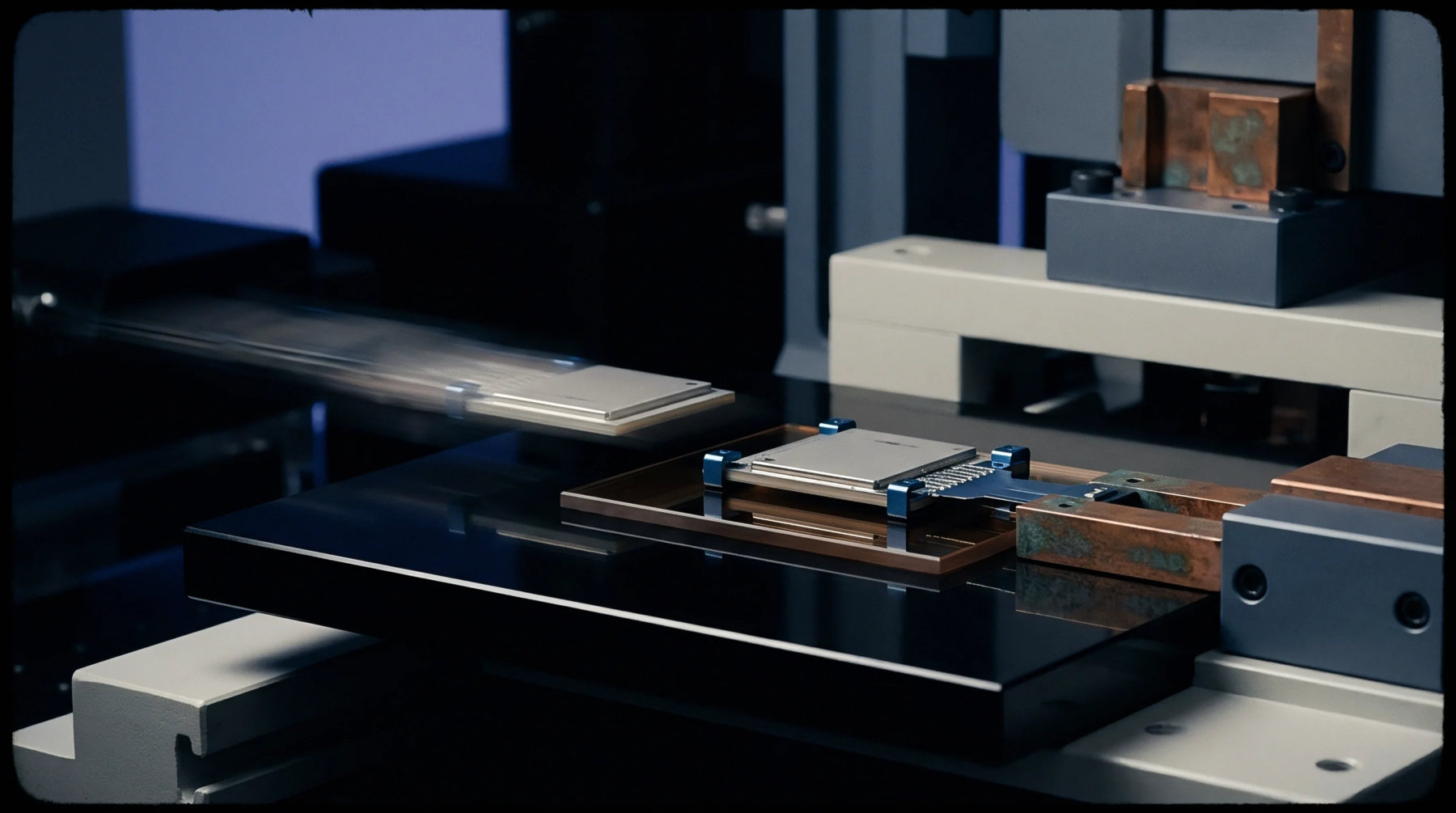
Manufacturing test evaluating the wetting performance of metallic leads before assembly. Performing solderability testing confirms that the surfaces are clean and ready to form a strong metallurgical bond during the reflow process.
Evaluation Technique
Dip and look methods provide a qualitative view of how well solder adheres to a component lead. A wetting balance solderability testing protocol offers a quantitative measurement by recording the force and timing of the wetting process as the part enters the solder bath. These results show whether oxidation or contaminants will interfere with the manufacturing process.
Production Impact
Manufacturing engineers perform quality checks on incoming batches to ensure that the assembly line maintains high yields. Failure to wet during the solderability testing suggests that the reflow oven settings may need adjustment or that the parts are defective. This step reduces the risk of cold solder joints or intermittent connections in the final product.
Reliability Factor
Long term performance of the electronic assembly depends on the integrity of the initial metallurgical bond. Regular solderability testing helps maintain a consistent process that survives the stresses of thermal expansion and physical vibration. The test reports provide a defensible record of material quality for high-reliability applications in the medical and automotive sectors.