Meaning
Normalization procedures for electromagnetic test fixtures establish a reference field strength within a transmission line. Execution of stripline calibration ensures that the electric and magnetic fields generated inside the fixture are uniform and accurate. This process accounts for losses in the cables and power amplifiers used in the test setup.
Laboratories perform this routine before exposing wireless modules to high-frequency disturbances. The validity depends on maintaining the precise mechanical geometry of the fixture.
Power Adjustment
Automated software adjusts the signal generator output to maintain the target field strength across the frequency sweep. During the stripline calibration process, a field sensor measures the voltage within the active area. This feedback loop creates a table of forward power values for each frequency step.
This table is applied when testing the actual products.
Fixture Maintenance
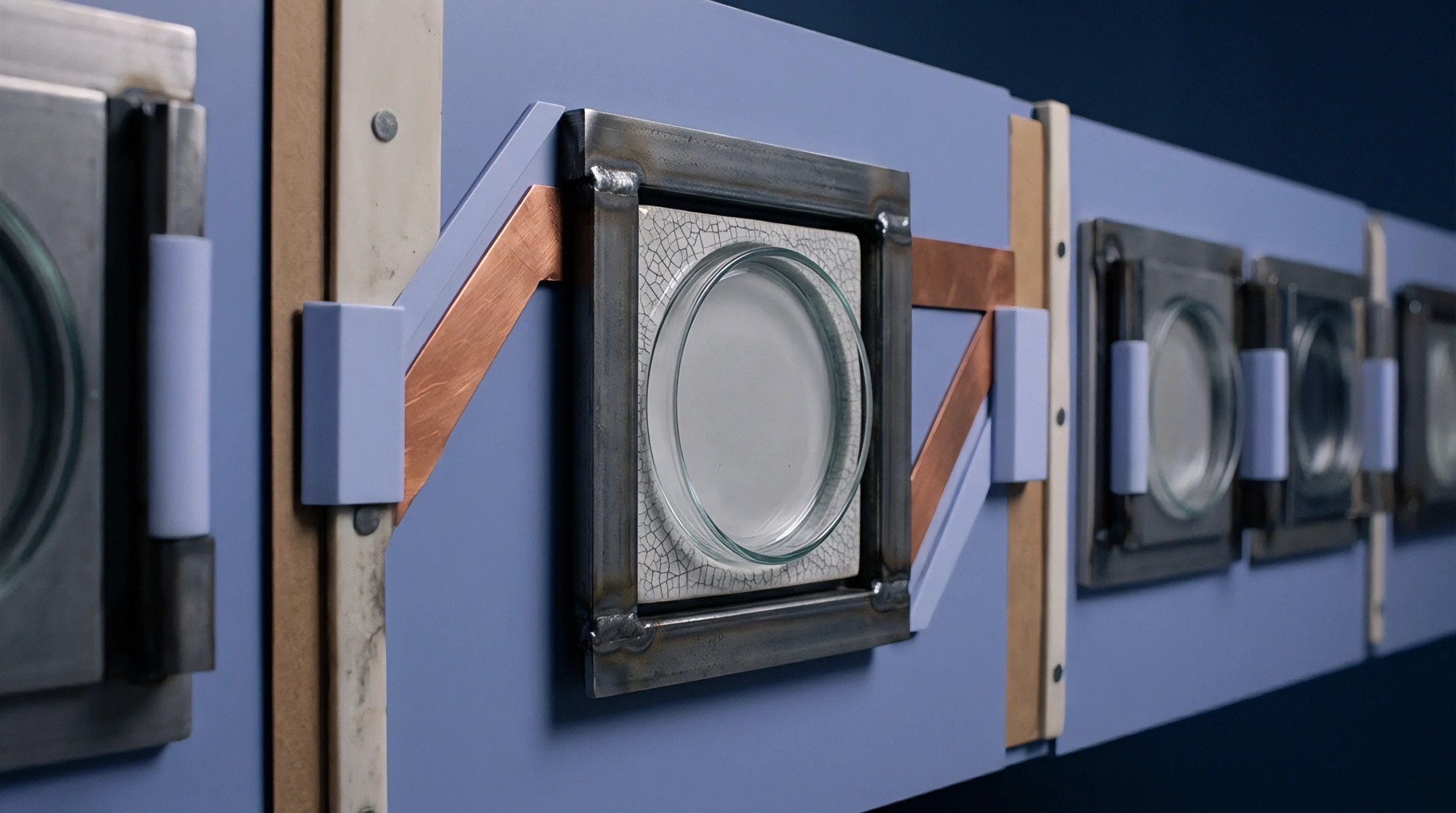
Mechanical wear on the copper plates and dielectric spacers can alter the characteristic impedance over time. Regular stripline calibration checks identify these shifts before they cause inaccurate test results. If the impedance varies from fifty ohms, the reflected power will increase, which reduces the field strength.
Technicians must clean the surfaces and tighten all fasteners before calibration.
Verification Step
A secondary run with an independent sensor verifies that the calibration table is correct. This confirmation prevents costly test errors on production modules.