Meaning
Targeted laboratory verification protocols isolate and measure only those operational parameters directly affected by design modifications, alternative component sourcing, or enclosure alterations. Performing target delta retesting avoids executing complete qualification sequences by evaluating the specific electrical, radio frequency, or electromagnetic compatibility parameters impacted by a hardware or software change. The procedure relies on engineering rationales that scientifically establish which compliance baselines remain unaffected by the minor engineering change.
Scope boundaries cease when alterations involve primary radio transceivers, fundamental circuit board revisions, or core enclosure shielding layouts, which invalidate prior test records and mandate full re-qualification.
Variance Boundary
Engineering justification defines the precise limits where partial evaluation remains legally defensible under regional standards. Implementing target delta retesting requires detailed circuit analysis to prove that a component change, such as swapping a low-dropout voltage regulator or passive filter, creates no secondary electromagnetic emissions. If an engineering change involves replacing a display driver, testing focuses on radiated emissions below one gigahertz and powerline conducted emissions, leaving intentional transmitter evaluations untouched.
Conversely, if an integrated antenna trace length changes by fractional millimetres, delta verification centers strictly on return loss, antenna gain patterns, and transmitter spurious emissions. Clear technical rationale prevents unnecessary laboratory expenditures while maintaining absolute regulatory integrity.
Execution Sequence
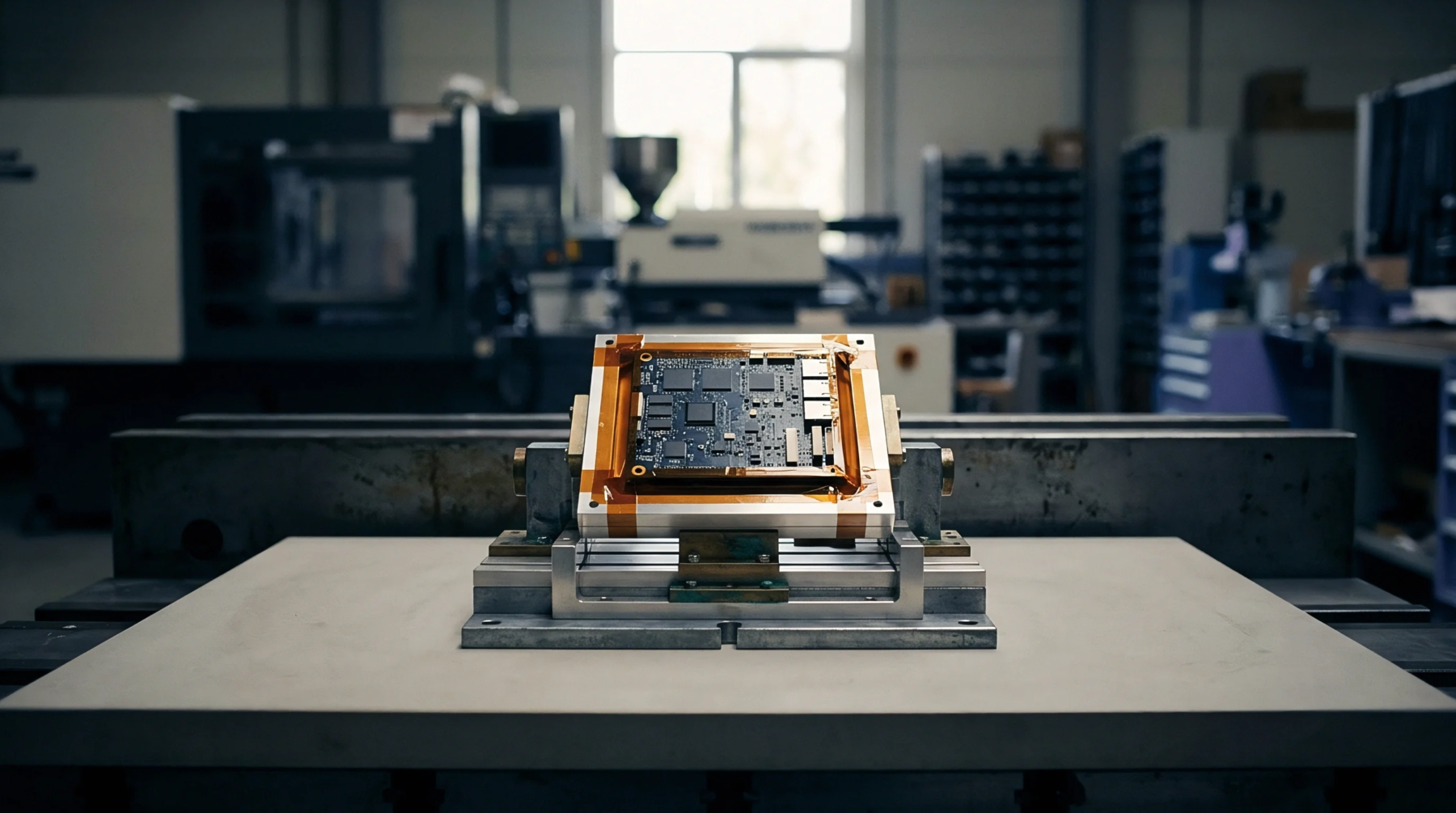
Laboratory execution follows structured test protocols configured to compare newly captured performance metrics against baseline certification data. During target delta retesting, technicians mount modified production samples inside anechoic chambers to measure radiated emissions against original baseline graphs. The test matrix runs modified units across extreme operating voltages and thermal extremes, checking for frequency drift or out-of-band harmonics.
Engineers record peak power, spurious emissions, and occupied bandwidth, overlaying new spectral traces directly onto original qualification data. If the delta sweep reveals an emission variance exceeding two decibels or shifts performance near regulatory limit lines, the laboratory expands testing to include full standard suites.
Qualification Record
Regulatory compliance files must incorporate both the differential test results and the engineering rationale that justified the narrowed scope. The summary report generated from target delta retesting details the evaluated physical modifications, comparative spectral graphs, measurement uncertainties, and official pass criteria. This technical paper integrates into the master design history file, providing verifiable documentation during factory audits or notified body reviews.
Maintaining thorough delta records allows hardware manufacturers to validate ongoing production revisions rapidly without interrupting volume delivery schedules. The resulting qualification report stands as proof that product adjustments preserve complete compliance with regional radio and safety requirements.