Meaning
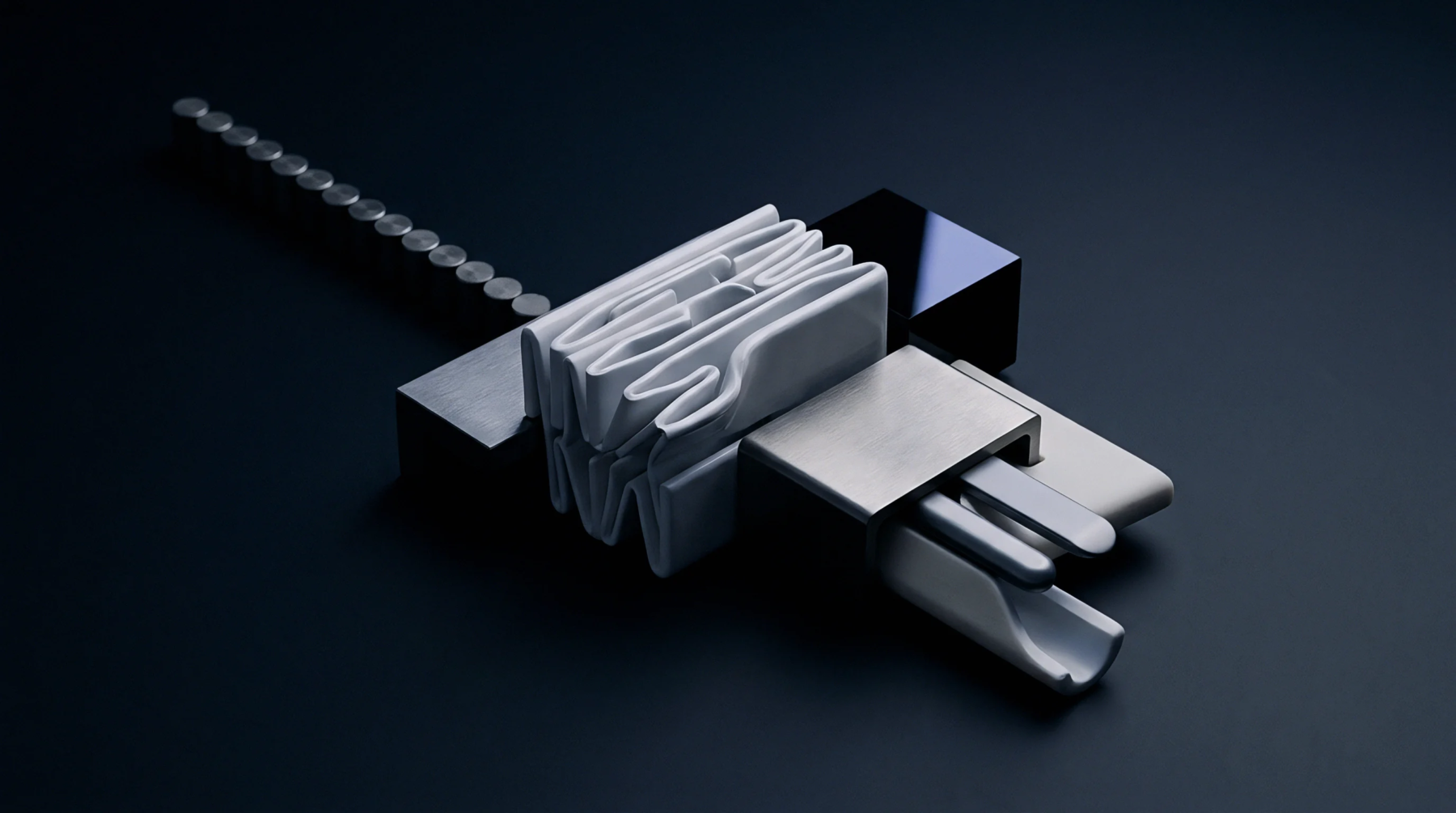
Structural slots routed through a printed circuit board prevent the lateral flow of heat between hot components and sensitive areas. A thermal isolation trench consists of a routed slot that removes the copper layers and the substrate material between two regions. This physical air gap forces heat to travel a longer path or dissipate into the air rather than conducting through the board.
It is commonly implemented around high-precision sensors to prevent temperature-induced measurement drift.
Layout Strategy
Copper plane layers on a circuit board act as highly efficient heat spreaders. While this is beneficial for cooling hot power transistors, it poses a risk to nearby low-power devices. An engineered thermal isolation trench breaks the continuity of these copper planes to isolate the heat source.
This barrier ensures that the localized heating of power stages does not elevate the ambient temperature of adjacent components.
Sensor Protection
Temperature-sensitive devices like barometric pressure sensors or analog-to-digital converters require a stable thermal environment to maintain accuracy. By placing a thermal isolation trench around the sensor, the board layout ensures that thermal gradients do not influence the calibration. This decoupling is essential for precision instruments.
Thermal Management
Designers must balance mechanical strength with thermal performance when creating these slots. Removing too much board material can make the board fragile, leading to cracks during assembly. To maintain structural integrity, the slot is often designed with small tabs of board material that bridge the trench while still providing the required thermal barrier.