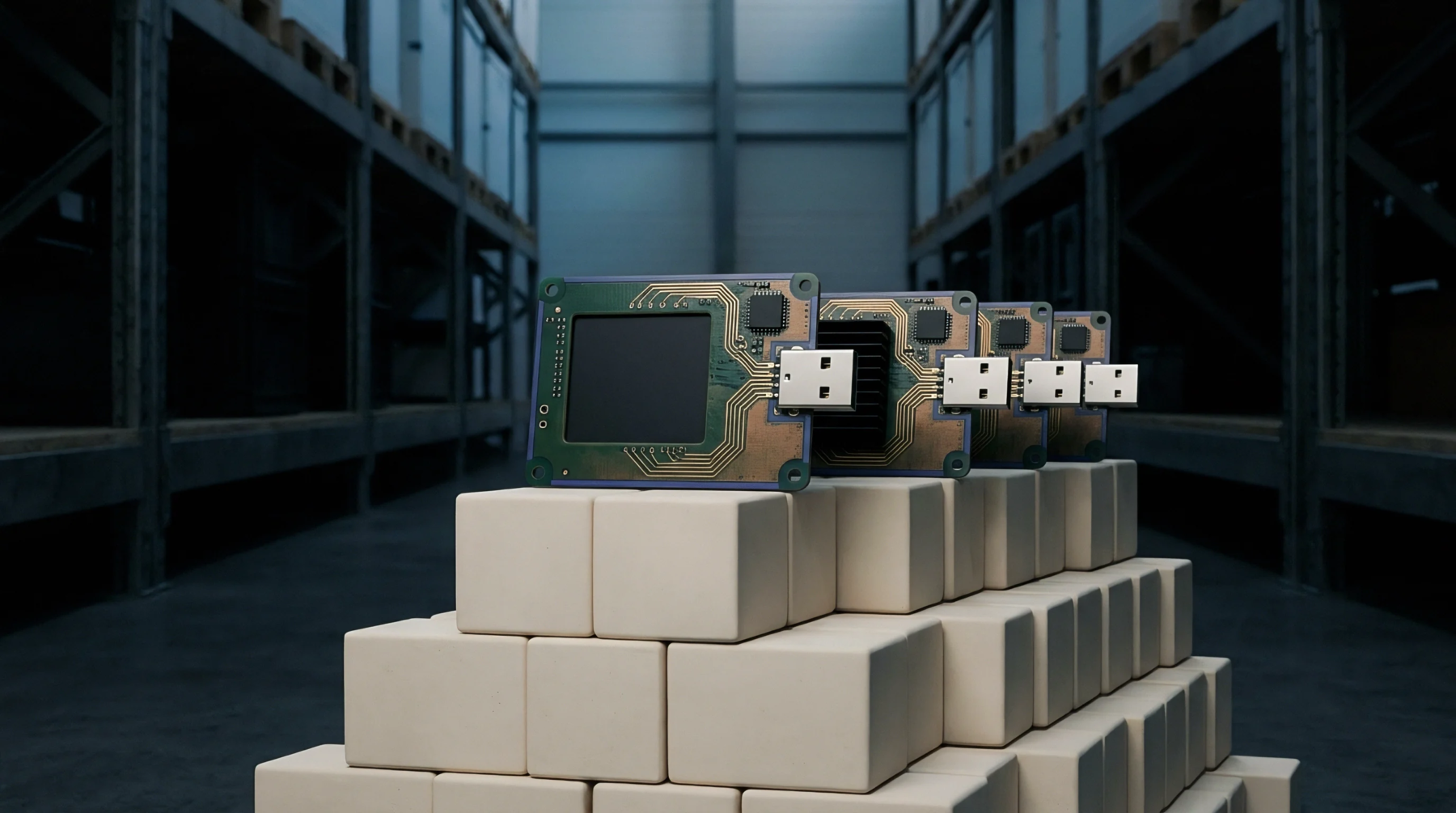
Meaning
Retention of the specific compilers and build utilities used to create a software release ensures the ability to reproduce a binary exactly. Implementing toolchain preservation involves archiving the entire build environment alongside the source code. This practice is essential for long-term maintenance where a bug must be fixed in an older version of the software.
Without the original tools, a new build might introduce unexpected behavior due to changes in the compiler logic.
Binary Reproducibility
Consistency in the output of the compilation process is the primary goal of keeping old tools. When toolchain preservation is successful, an engineer can generate a bit-for-bit identical binary from the same source code years after the initial release. This reproducibility is a requirement for safety critical systems and highly regulated industries.
It provides confidence that a patch only changes the intended lines of code.
Audit Compliance
Documented evidence of the build process supports the verification of software integrity during a security audit. Regulators often require that manufacturers demonstrate full control over the environment where their firmware was created. Through toolchain preservation the organization can prove that no unauthorized or untrusted tools were used.
This level of transparency is a cornerstone of a secure software development lifecycle.
Long-Term Support
Availability of the original development environment allows for the continued servicing of legacy products. Many industrial and automotive systems remain in the field for decades, requiring occasional security updates. By utilizing toolchain preservation the support team can provide these updates without the risk of destabilizing the system.
It ensures that the knowledge and tools needed for maintenance are never lost.