Meaning
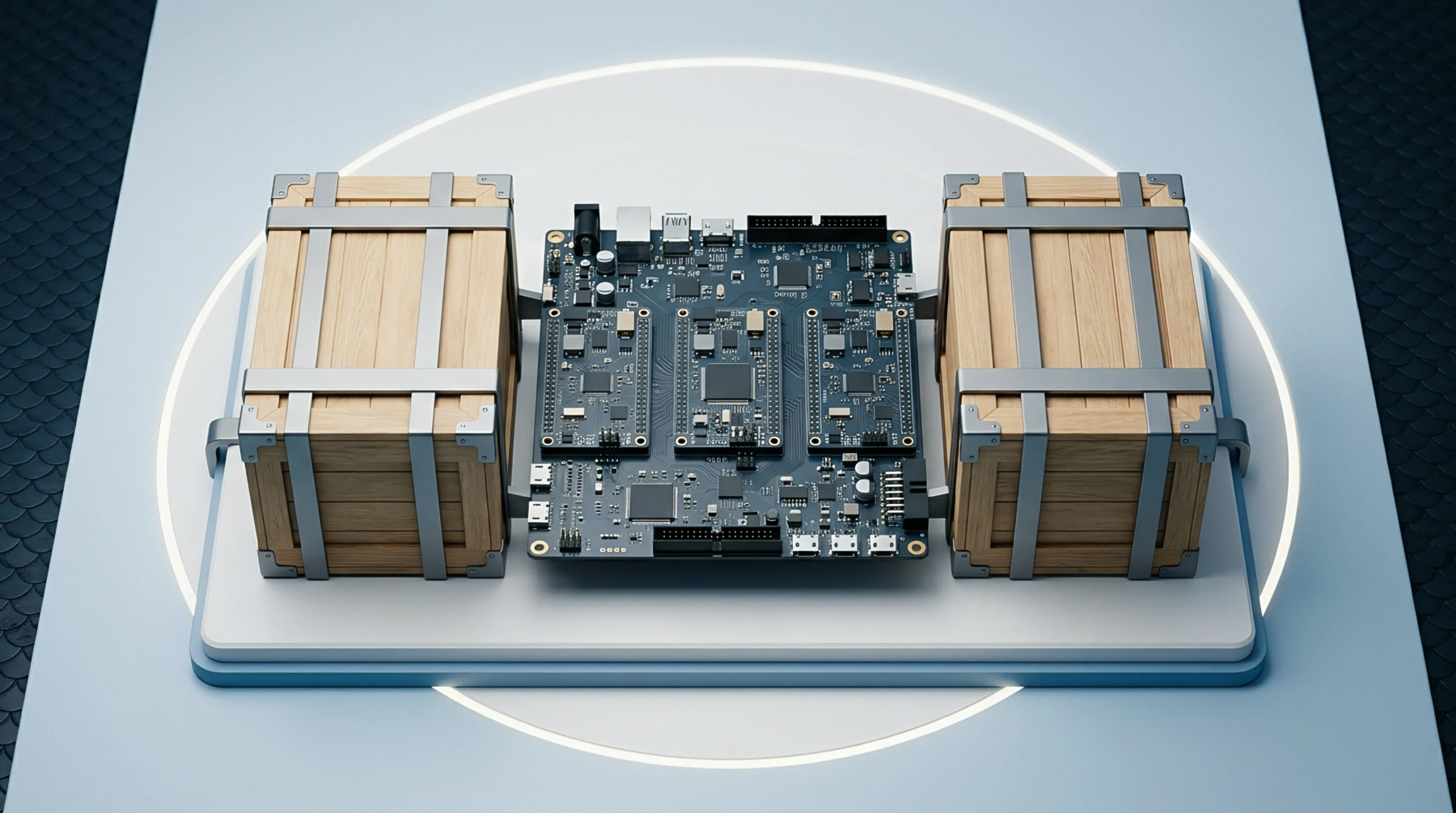
Full procurement of a complete system assembly by a single vendor shifts the burden of component acquisition and subassembly integration away from the final manufacturer. Such turnkey sourcing functions as a method where an external partner procures every necessary piece and completes the mechanical build before delivering the unit to the site. It governs the entire flow of materials from individual diode selection to the housing of the final circuit board within its enclosure.
The practice stops at the point of hardware receipt, leaving site-level software installation or network provisioning to the owner. This approach reduces the quantity of individual purchase orders while centralizing quality assurance under one entity. Performance expectations are documented within the supply contract, tying the liability for non-functional hardware directly to the contracted source.
Responsibility for the thermal budget of the assembly also resides with this entity, requiring them to verify that the power density stays within the operational limits of the chassis.
Procurement Strategy
Direct acquisition of a bundled service simplifies the internal logistics of the buyer. Purchasing separate parts requires a team to coordinate shipments from multiple origins, which creates risks of missing items and scheduling gaps. Managing these variations through a single point of entry minimizes administrative overhead and limits the footprint of the supply chain group.
Costs are shifted from internal labor to the price of the delivered unit, altering the accounting structure from an operational expense to a capital equipment line. Reliable vendors maintain deep lists of secondary suppliers to ensure the availability of long-lead items, shielding the buyer from shortages that might otherwise halt a production line.
Operational Integration
Verification of the finished product requires a rigorous test sequence that matches the defined interface specifications provided at the start of the project. A vendor performs these tests to confirm the mechanical fit and electrical performance meet the agreed standards. Successful outcomes depend on the exchange of a detailed assembly document that specifies exactly how the integration occurs.
Discrepancies between the vendor test results and the final field performance arise when the environmental constraints are defined too broadly. Suppliers check for basic connectivity and signal integrity, but a buyer must run additional system level diagnostics to ensure the unit behaves correctly under specific load patterns. These activities determine the pass rate for the initial batch.
Hardware delivery follows the completion of the formal handover document, which serves as the permanent record of the configuration.
System Liability
Total responsibility for the integrity of a complex assembly remains with the builder until the moment of final acceptance. The risk of individual component failure rests on the vendor because they oversee the qualification of every part within the system. Buyers who find faults in the assembly require the vendor to perform the diagnosis, as the builder possesses the complete set of schematics and assembly notes.
This arrangement provides a clear path for warranty claims because the failure points are contained inside a singular technical agreement. Future modifications to the system are harder to execute because the internal build structure is protected as proprietary, preventing the owner from making minor repairs without voiding the agreement. The cost of a failure includes the time lost waiting for the vendor to process the return.
High reliability depends on the clarity of the initial specification document provided to the supplier.