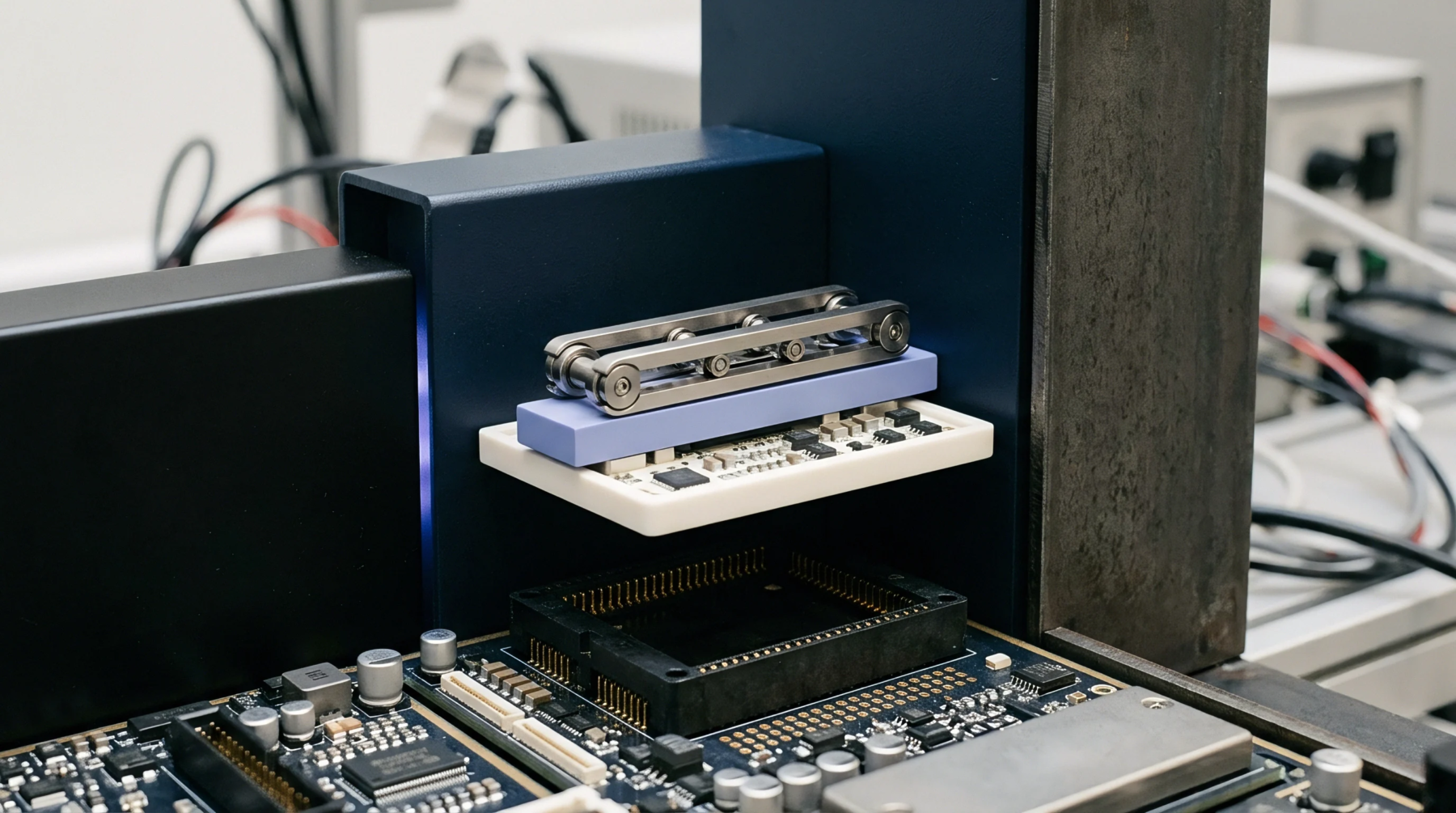
Meaning
Lateral friction generated as a connector pin slides across a mating surface during the engagement process. This wiping force removes thin layers of oxidation or contamination to ensure a clean metal to metal contact. It is a feature of self cleaning connectors that must maintain low resistance in environments where dust or tarnish can accumulate.
Design Scrubbing
Spring geometry determines the distance and the pressure of the slide. As the male pin enters the female socket the wiping force effectively polishes the interface. This action is especially important for non noble metal platings like tin which form a hard oxide layer as soon as they are exposed to air.
Consistent Reliability
Application of this force prevents the buildup of debris that could cause an open circuit. If the wiping force is too low the connector may fail to break through the surface film during mating. Conversely excessive force can lead to premature wear of the plating and expose the vulnerable base metal underneath.
This balance is required to maintain the electrical integrity of the device over its entire operational lifespan.
Specifications Requirement
Standards for automotive and industrial connectors often define a minimum wiping distance to guarantee electrical performance. Testing for wiping force involves measuring the friction and the resulting contact resistance over multiple mating cycles. This ensures that the connectivity module remains reliable even after being disconnected and reconnected many times in the field.