
Arrhenius Activation Energy Shifts in Sub-22nm Charge Trap Flash during Thermal Cycling
Thermal cycling lowers sub-22nm charge trap flash activation energy from 1.18 eV to 0.45 eV, reducing real-world 85°C retention from decades to months.
Thermal cycling lowers sub-22nm charge trap flash activation energy from 1.18 eV to 0.45 eV, reducing real-world 85°C retention from decades to months.

Sub-nanometer ALD alumina passivation prevents quartz electrode oxidation and surface adsorption, capping decade frequency drift below two parts per million.
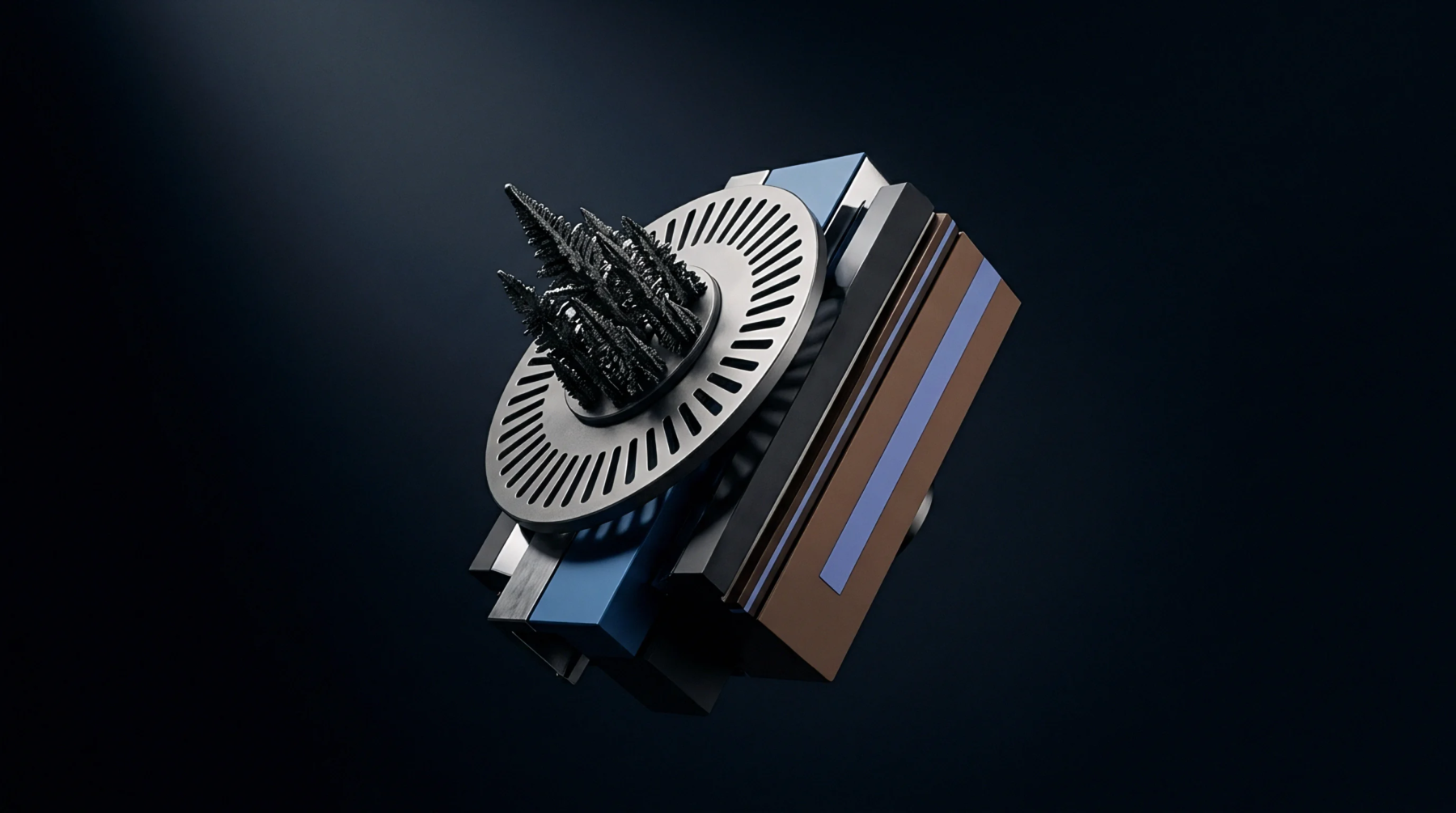
Autonomous flash scrubbing telemetry prevents thermal bit flips in field radios by scheduling background memory rewrites during radio sleep windows.
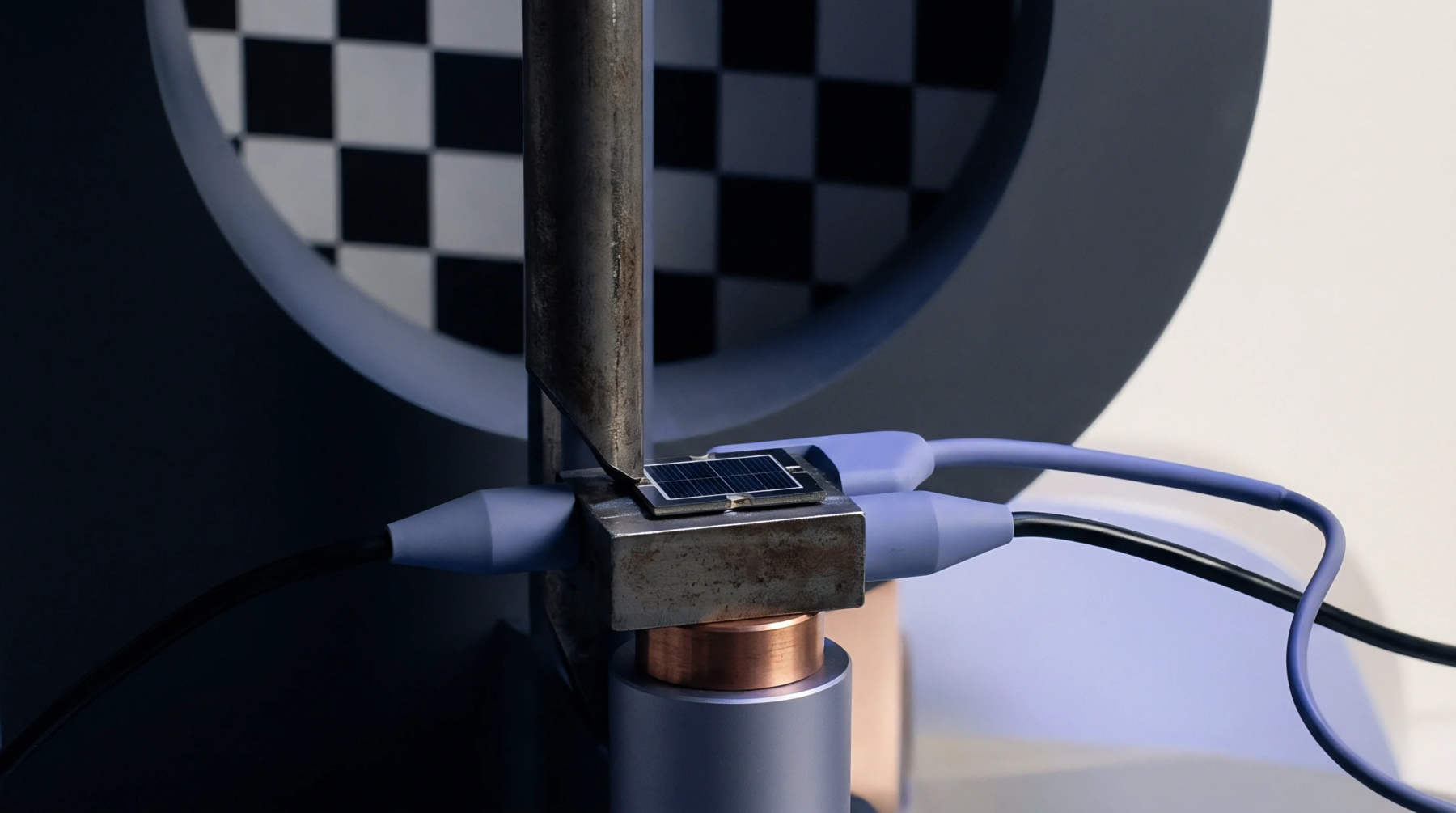
Static 1.1 eV Arrhenius acceleration overestimates cycled industrial flash data retention by up to 940 times under low-temperature trap-assisted leakage.
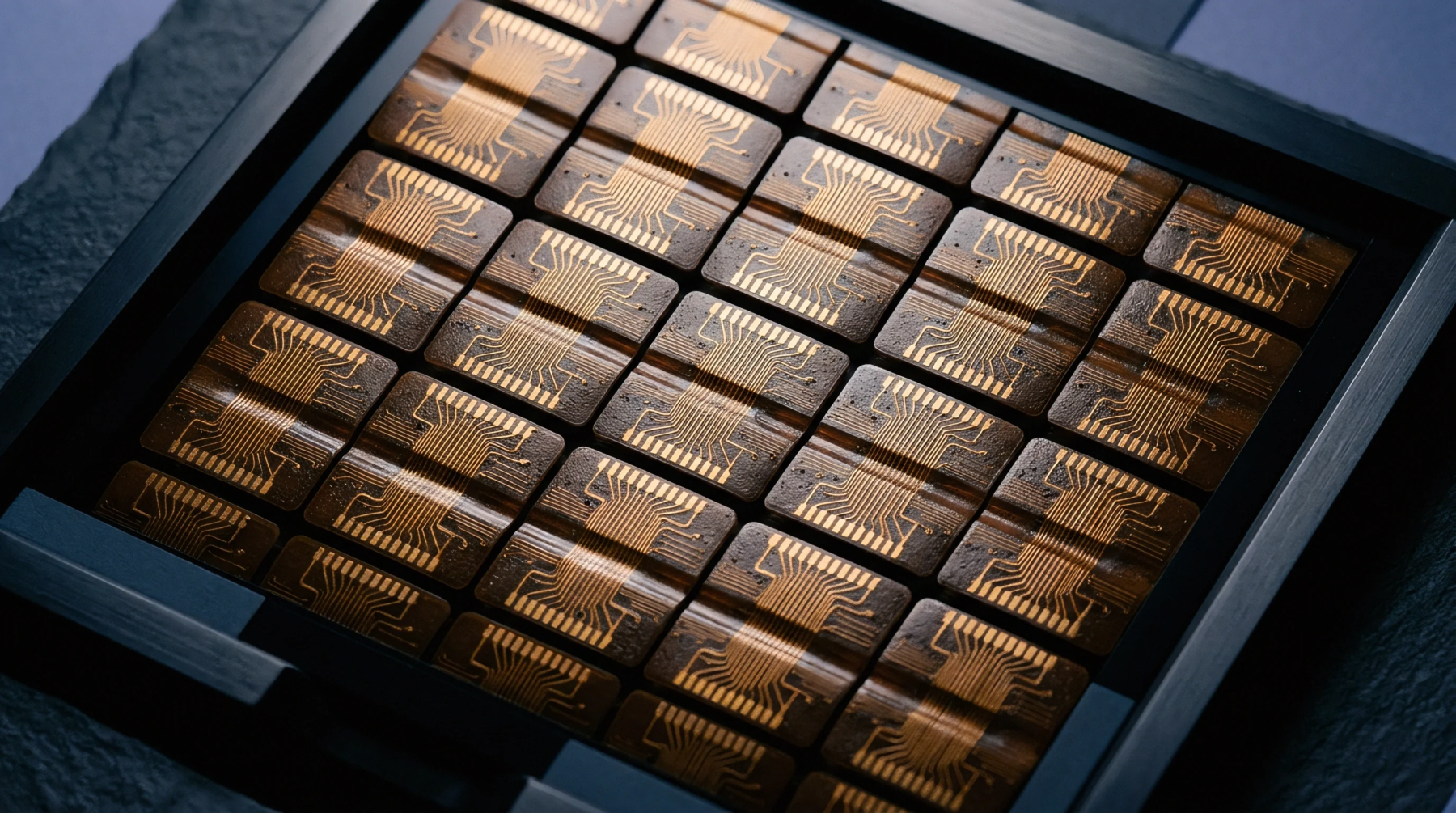
High thermal stress accelerates floating node leakage via Poole-Frenkel emission and trap-assisted tunneling, requiring Grade 0 silicon and active firmware refresh.
Expertise is a utility, not a secret. sentiention™ publishes its working knowledge as open reference: intelligence layer covering the materials it sources, the markets it enters, and the reference that serves both.