Meaning
Precision instruments featuring a spring-tempered copper alloyed with beryllium establish electrical and mechanical continuity during the functional verification of populated printed circuit boards. Beryllium-copper probes maintain low electrical resistance across millions of compression cycles while sustaining reliable contact against microscopic test pads and component leads. The alloy combines high electrical conductivity with mechanical resilience, allowing slender plungers to flex under load without suffering permanent deformation.
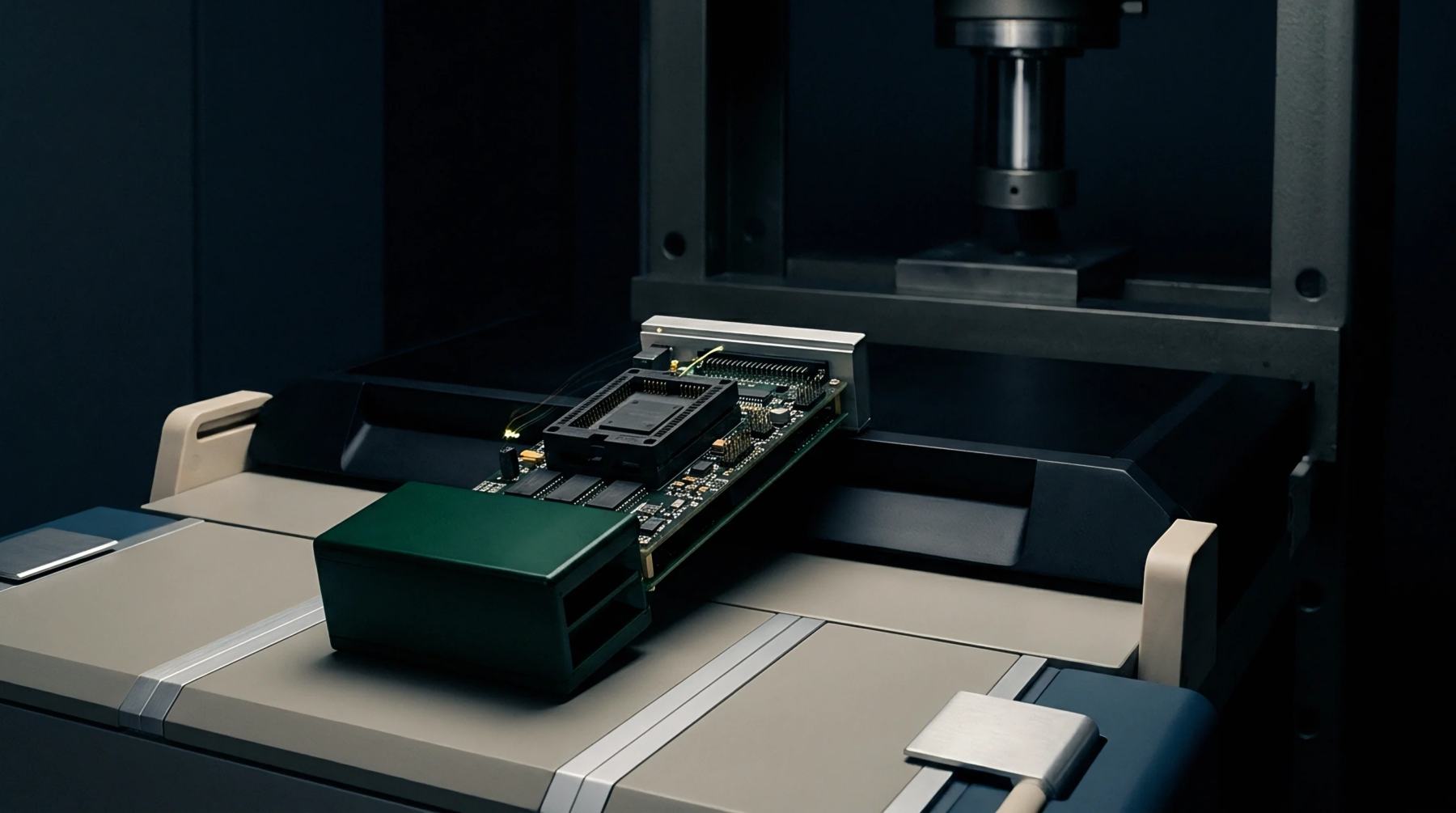
Operations occur primarily inside automated test equipment fixtures where spring-loaded pins press against target sites to execute in-circuit testing before final device enclosure.
Thermal Load
Internal self-heating occurs when high electrical current passes through narrow barrels and plungers during diagnostic testing. Elevated operating temperatures alter the spring force characteristics of the alloy, potentially reducing contact pressure against delicate circuit traces. Thermal expansion mismatch between the probe housing and surrounding phenolic fixture plates introduces mechanical stress along mounting boundaries.
Designers calculate steady-state thermal dissipation limits to prevent metallurgical degradation of the contact tips during high-throughput manufacturing shifts.
Mechanical Fatigue
Repeated deflection cycles induce microstructural stress within the spring components, leading eventually to mechanical failure through fatigue cracking. Plunger tip geometry directly influences wear rates when sliding friction occurs against contaminated or oxidized test pads. Technicians monitor scrub distance parameters during fixture commissioning to optimize wiping action without accelerating premature tip deterioration.
Preventive maintenance schedules dictate replacement intervals before spring force degradation compromises measurement accuracy during diagnostic sequences.
Electrical Rating
Contact resistance stability depends heavily on the surface plating applied over the base metal alloy to prevent oxidation in ambient air. Gold plating over a nickel barrier layer provides optimal signal transmission for low-level analog measurements on dense circuit boards. Signal degradation occurs when contaminant buildup increases loop resistance beyond tolerance thresholds established by the test system manufacturer.
Calibration routines verify resistance values continuously to ensure that signal paths remain within acceptable parameters throughout the operational lifespan of the fixture.