Meaning
Regulatory compliance validation proves that a wireless subsystem meets specific communication standards before commercial distribution begins. Bluetooth SIG Qualification verifies that a radio frequency integrated circuit or host controller stack operates inside established protocol parameters without interfering with neighboring spectrum allocations. This formal recognition procedure applies strictly to physical layer implementations, protocol layers, and profile stacks incorporated into finished goods.
Verification stops at the boundaries of software modifications that alter baseband timing or power output characteristics after testing concludes. Manufacturers submit compliance declarations alongside test reports through an online portal managed by the controlling authority.
Radio Compliance
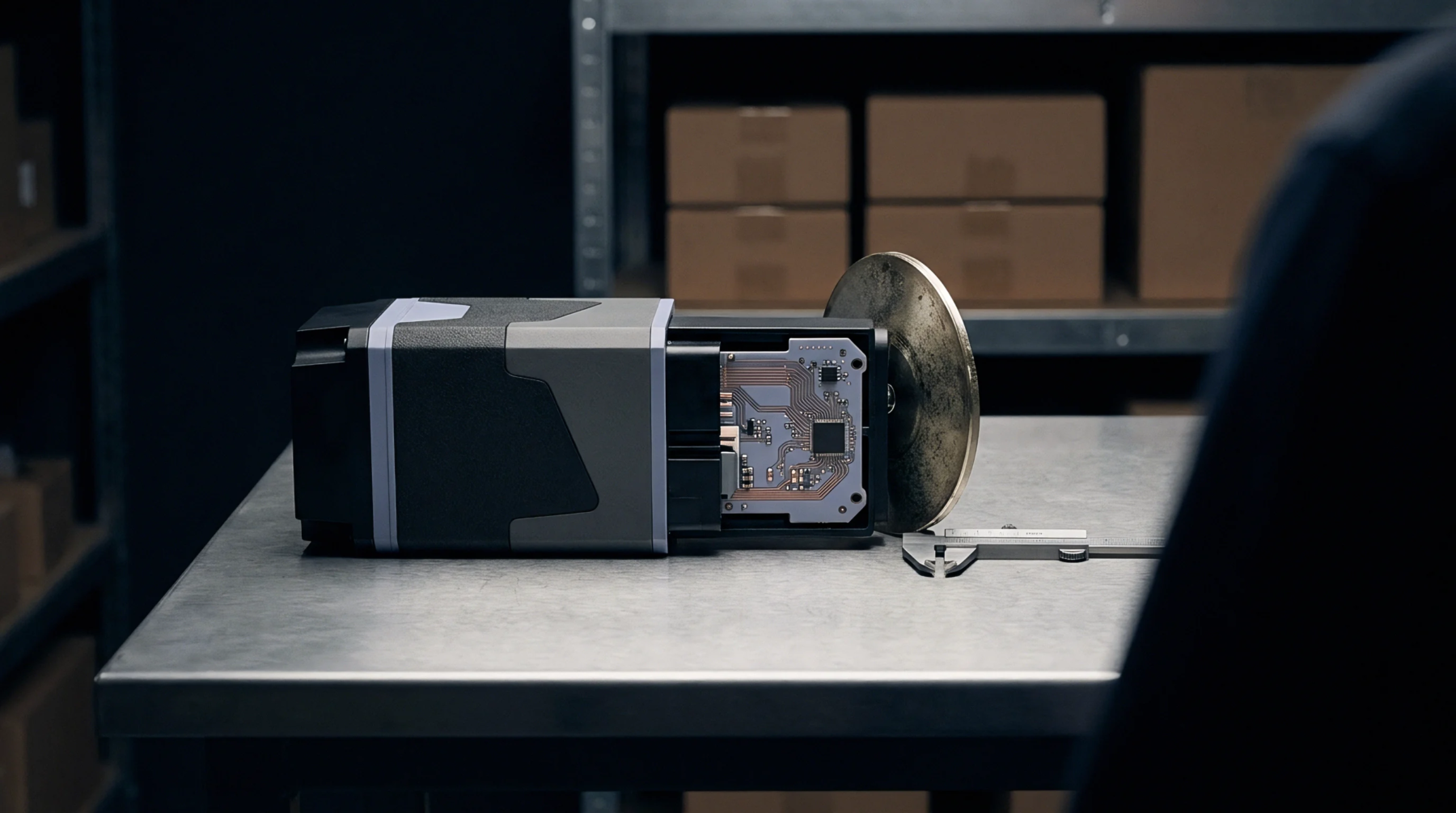
Verification protocols measure output power, modulation characteristics, and frequency hopping behavior inside shielded chamber environments. Engineers subject the populated printed circuit board assembly to automated test scripts that execute predetermined command sequences across multiple operating channels. Receiver sensitivity measurements confirm that the antenna matching network maintains acceptable link margins under thermal stress conditions.
Radio frequency technicians record spurious emissions levels to guarantee regulatory limits remain intact during continuous transmission cycles. Test equipment captures physical layer anomalies before final design freezes occur on the manufacturing line.
Documentation Handover
Administrative validation requires a complete bill of materials, schematic diagrams, and protocol implementation conformance statements from the engineering team. Technical files map every external interface to corresponding test cases logged during laboratory measurement phases. Product developers compile these records into a compliance dossier that matches specific hardware revisions with software firmware identifiers.
Quality auditors review the submitted documentation package to verify that no unauthorized component substitutions compromise the original radio test results. Final approval certificates generate a unique Declaration ID that manufacturers print on product packaging or regulatory compliance labels.
Market Access
Commercial distribution rights depend entirely upon successful completion of the administrative validation procedure and associated fee payments. Retail channels and telecommunication authorities demand proof of compliance before granting shelf space or network entry permissions for wireless peripherals. Original equipment manufacturers face severe financial penalties and product seizures if unverified radio components enter global supply chains.
Brand owners protect their intellectual property rights by ensuring that contract manufacturers never alter certified RF layouts during mass production runs. Proper validation safeguards interoperability between disparate consumer electronics devices operating within crowded industrial scientific medical bands.