Span of Long Term Phase Noise Degradation in Wi-Fi 6e Front-End Modules under Thermal Cyclic Stress
Thermal cycling degrades Wi-Fi 6E front-end module phase noise by elevating 1/f noise floors and inducing die strain, forcing 1024-QAM EVM failures.
Thermal cycling degrades Wi-Fi 6E front-end module phase noise by elevating 1/f noise floors and inducing die strain, forcing 1024-QAM EVM failures.
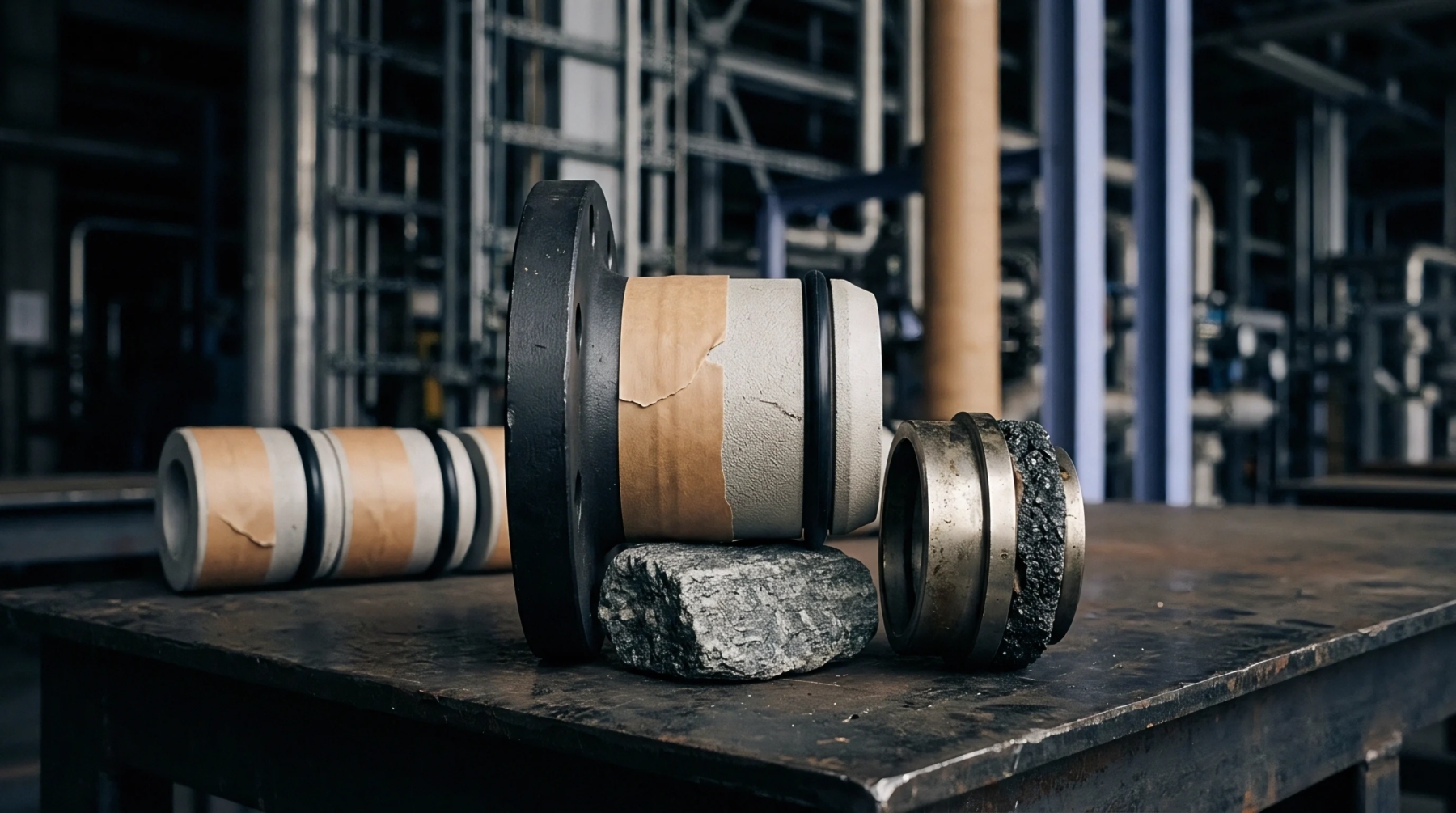
Dual-band Wi-Fi 6 deployments near heavy machinery demand 20 MHz channels, 3.2 microsecond guard intervals, and 22 dB fade margins to stop packet drops.
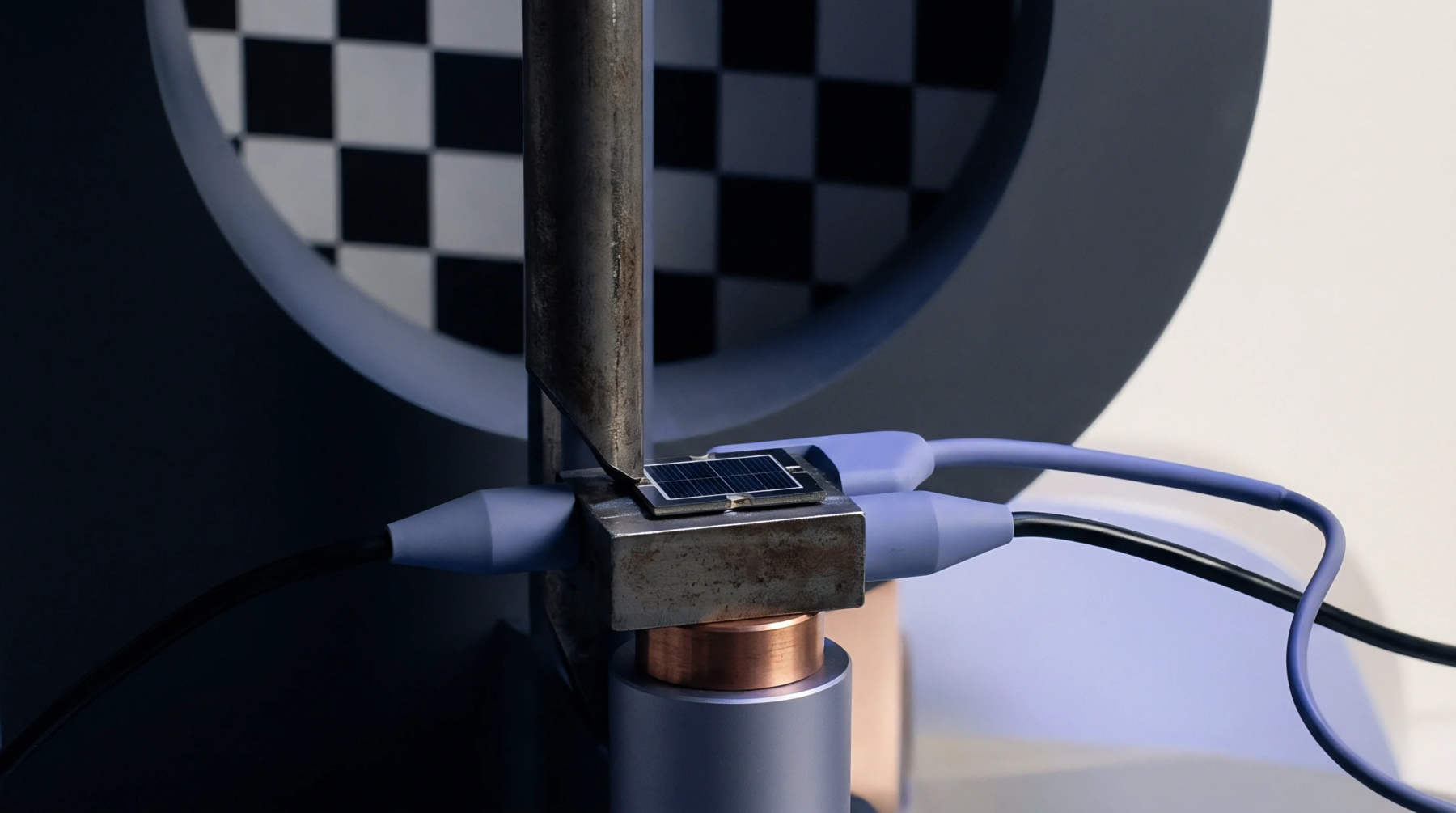
Select Wi-Fi modules featuring discrete high-linearity front-ends, 802.11ax OFDMA, and 5 GHz or 6 GHz operation to bypass hostile factory-floor noise spikes.
Co-located modular radios generate intermodulation emissions that require physical antenna isolation, bandpass filtering, and simultaneous transmission compliance filings.
Suppress colocation intermodulation spurious emissions in tight metallic enclosures by combining high-rejection PA filters with lossy magnetic cavity absorbing sheets.
Mitigate co-located spurious emissions by maximizing inter-antenna isolation, placing steep acoustic wave filters at transceiver ports, and verifying concurrent transmission under KDB 996369 rules.

Industrial Wi-Fi module selection demands matching OFDM guard intervals to measured hall delay spread while isolating 5 GHz spatial streams from local noise.
Expertise is a utility, not a secret. sentiention™ publishes its working knowledge as open reference: intelligence layer covering the materials it sources, the markets it enters, and the reference that serves both.