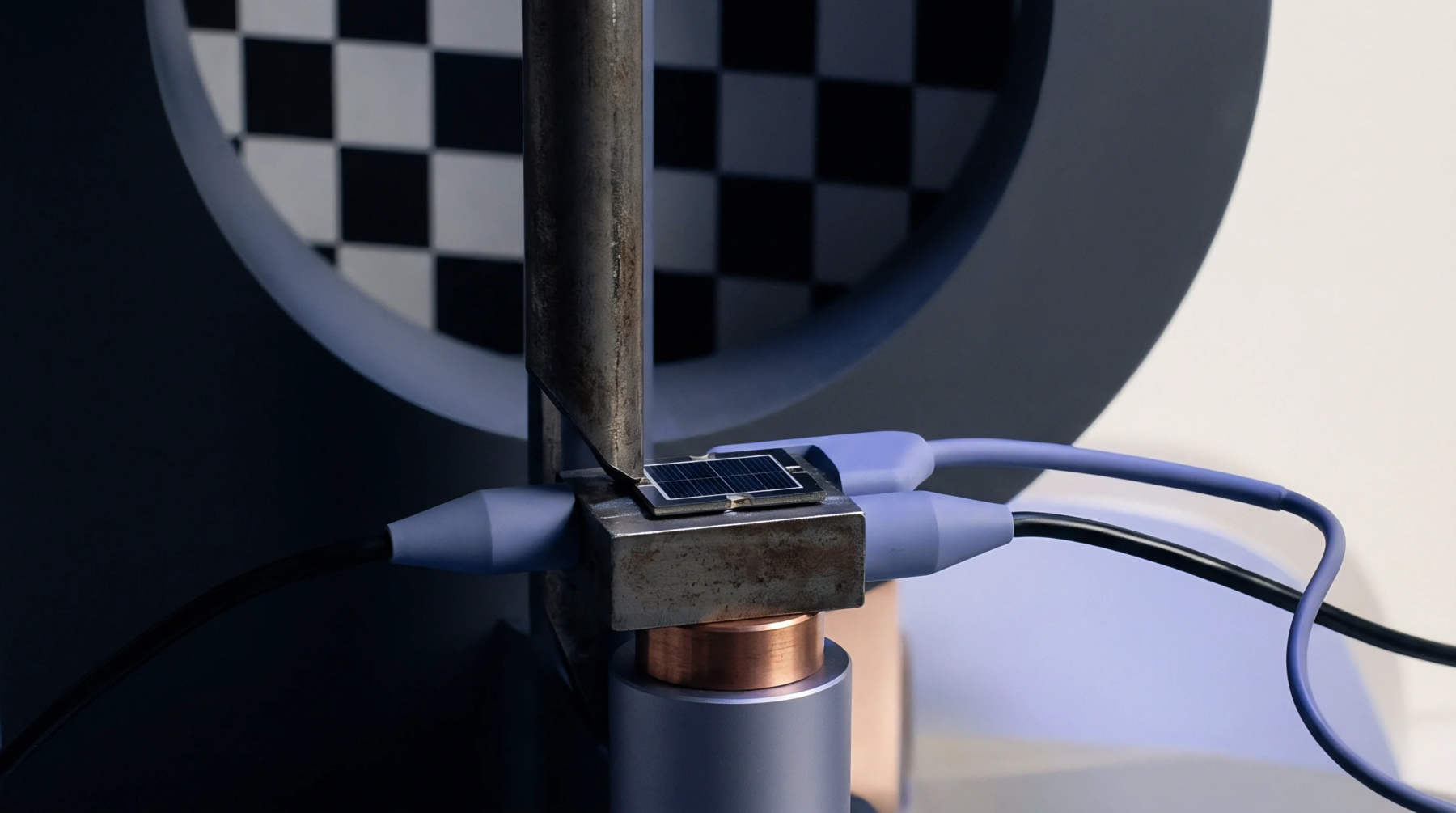
Industrial Wi-Fi Module Selection under RF Interference
Select Wi-Fi modules featuring discrete high-linearity front-ends, 802.11ax OFDMA, and 5 GHz or 6 GHz operation to bypass hostile factory-floor noise spikes.
Select Wi-Fi modules featuring discrete high-linearity front-ends, 802.11ax OFDMA, and 5 GHz or 6 GHz operation to bypass hostile factory-floor noise spikes.
Firmware abstraction layers add measurable flash and latency overhead, requiring strict memory and execution budgets before committing to dual-vendor transceivers.
Configure sub-GHz exponential backoff timers to sleep during extended contention slots, matching battery recovery curves to prevent brownouts.

Sub-gigahertz duty cycles enforce throughput limits that increase latency, whereas 2.4 GHz bands accept higher co-channel interference for deterministic timing.
Automated software verification isolates physical register and timing deltas across dual-sourced RF boards before volume production begins.
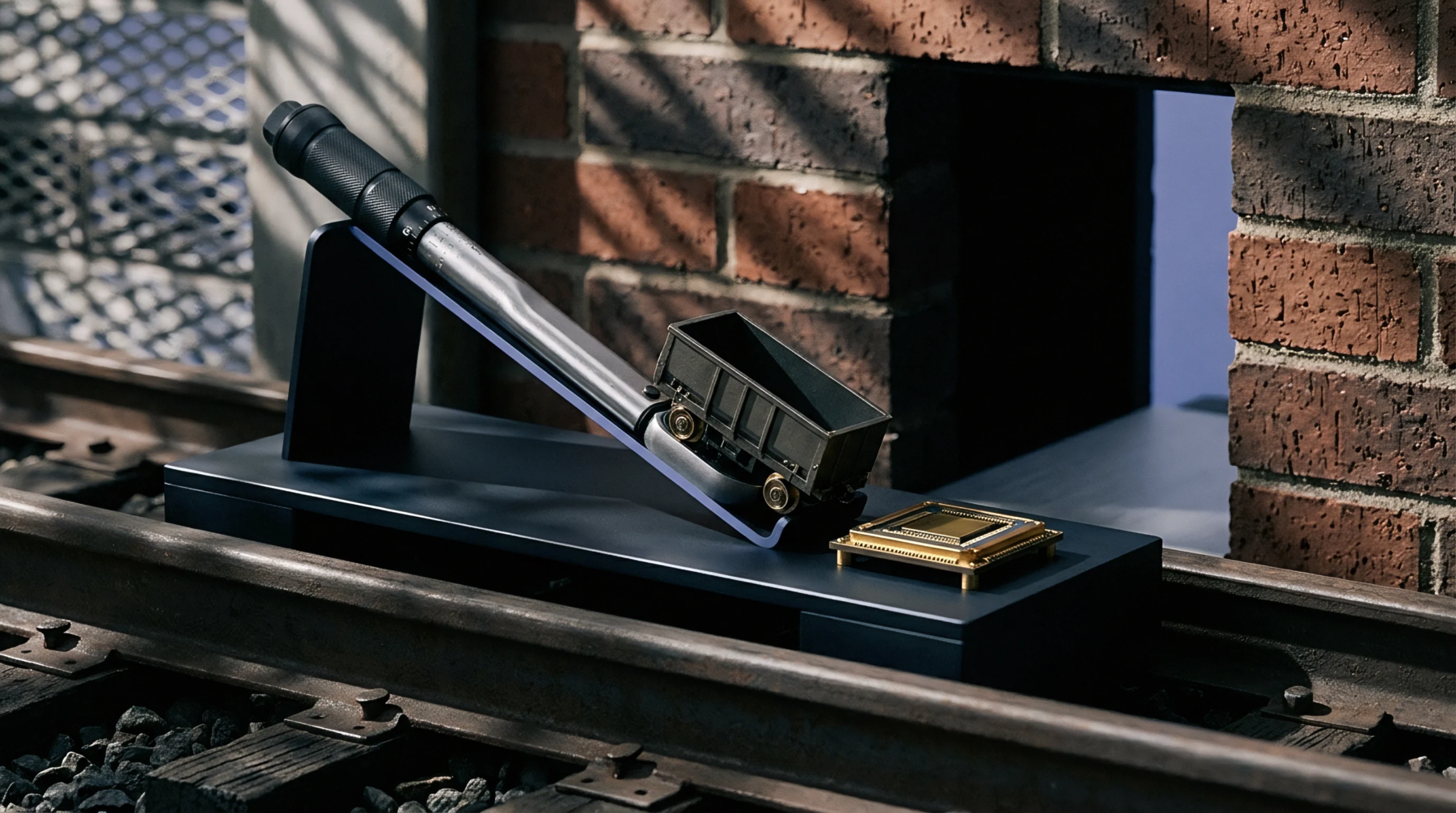
Edge-triggered dual-radio buffer architecture staging fast edge interrupts into local non-volatile RAM prevents data loss during link state handoffs.
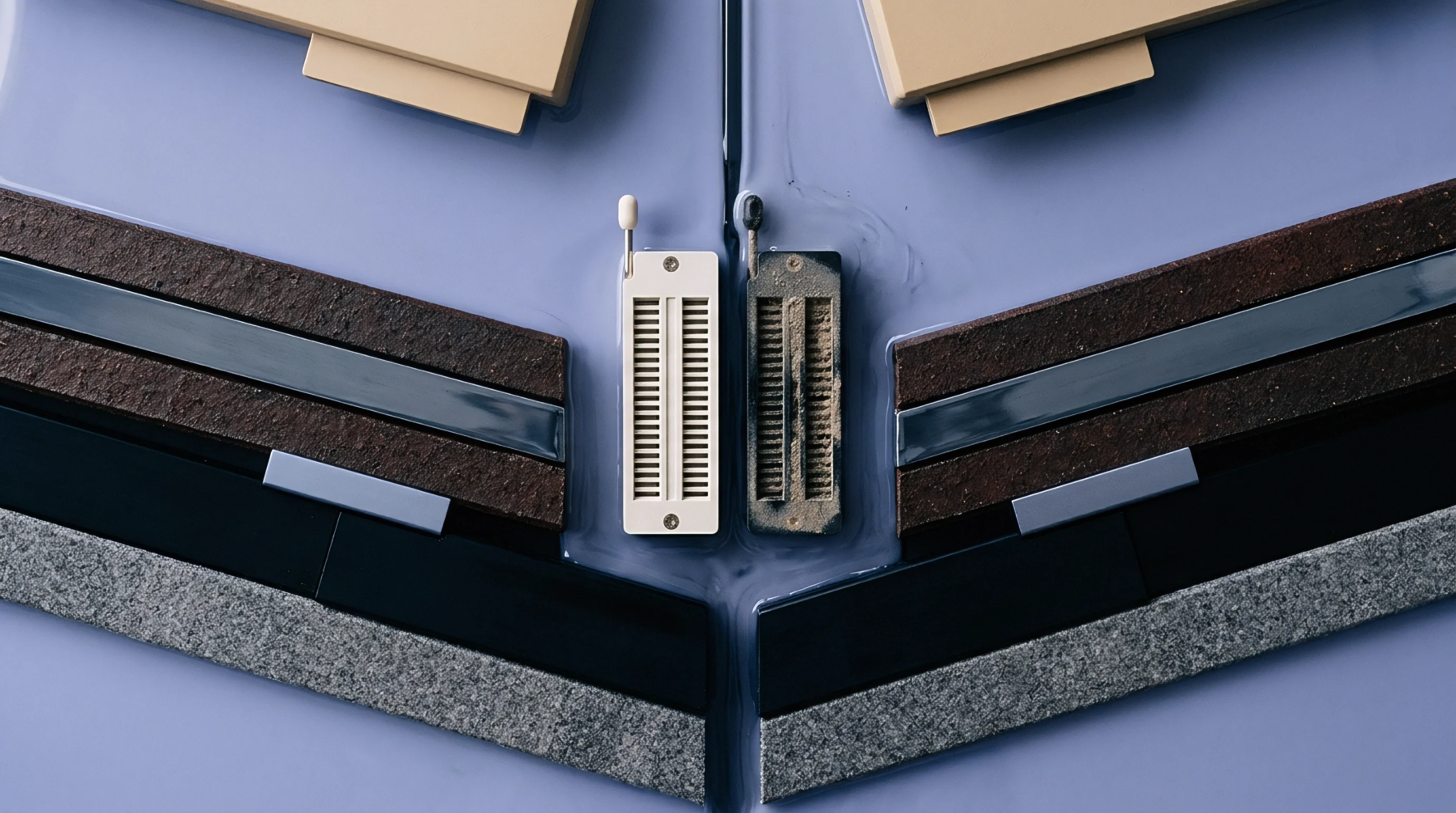
Dynamic Clear Channel Assessment adjusts signal detection thresholds to suppress deferral and restore airtime in high-density Wi-Fi networks.
Dynamic preamble threshold calibration balances OBSS spatial reuse against transmit power backoff to prevent packet collisions and retransmission spikes.
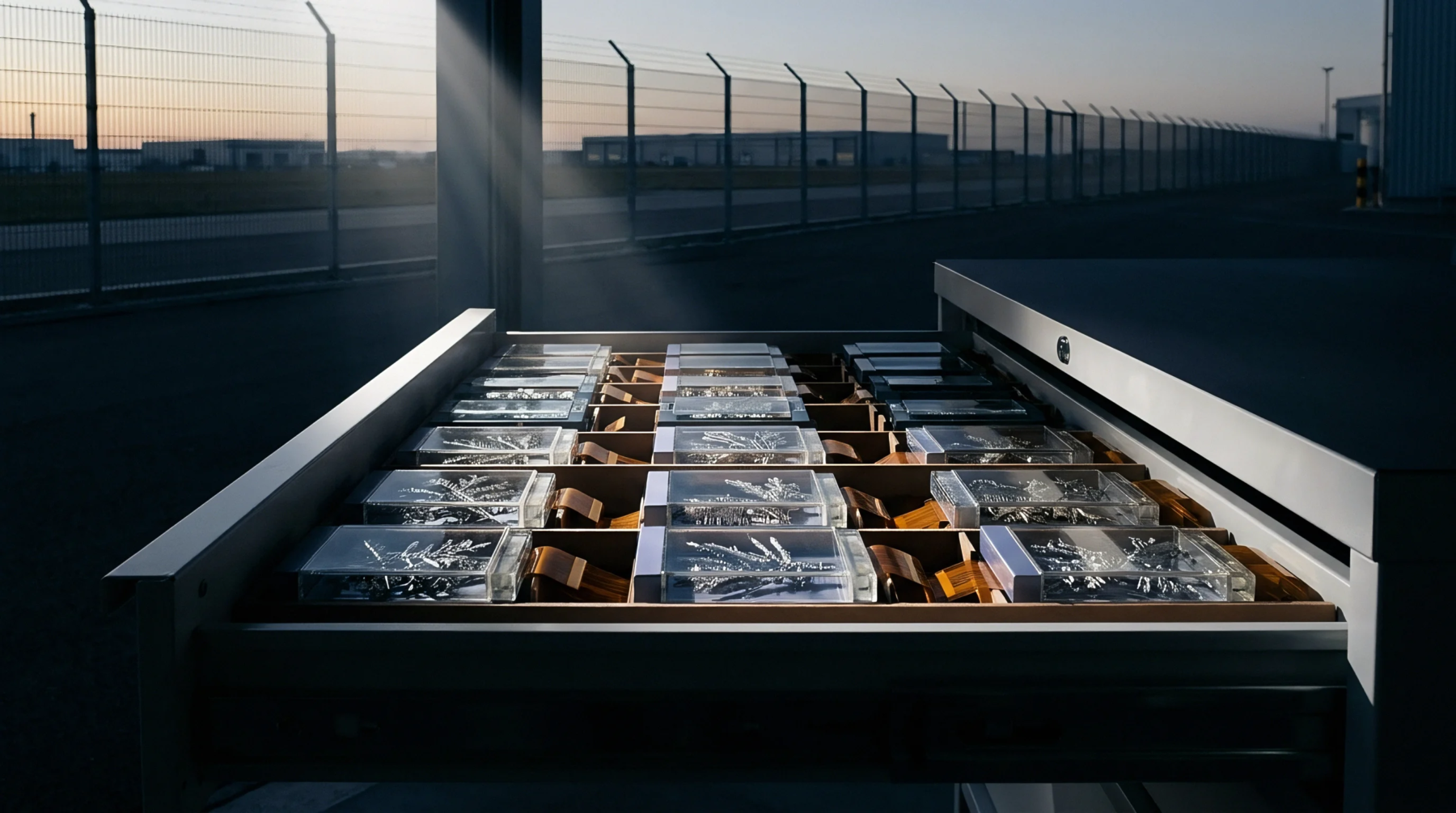
Raising default clear channel assessment thresholds boosts aggregate Wi-Fi network throughput in high-density deployments by trading client SINR for spatial reuse.

Selecting industrial Wi-Fi modules demands matching transmit power, receiver sensitivity, and hardware coexistence mechanisms to plant RF noise floor profiles.
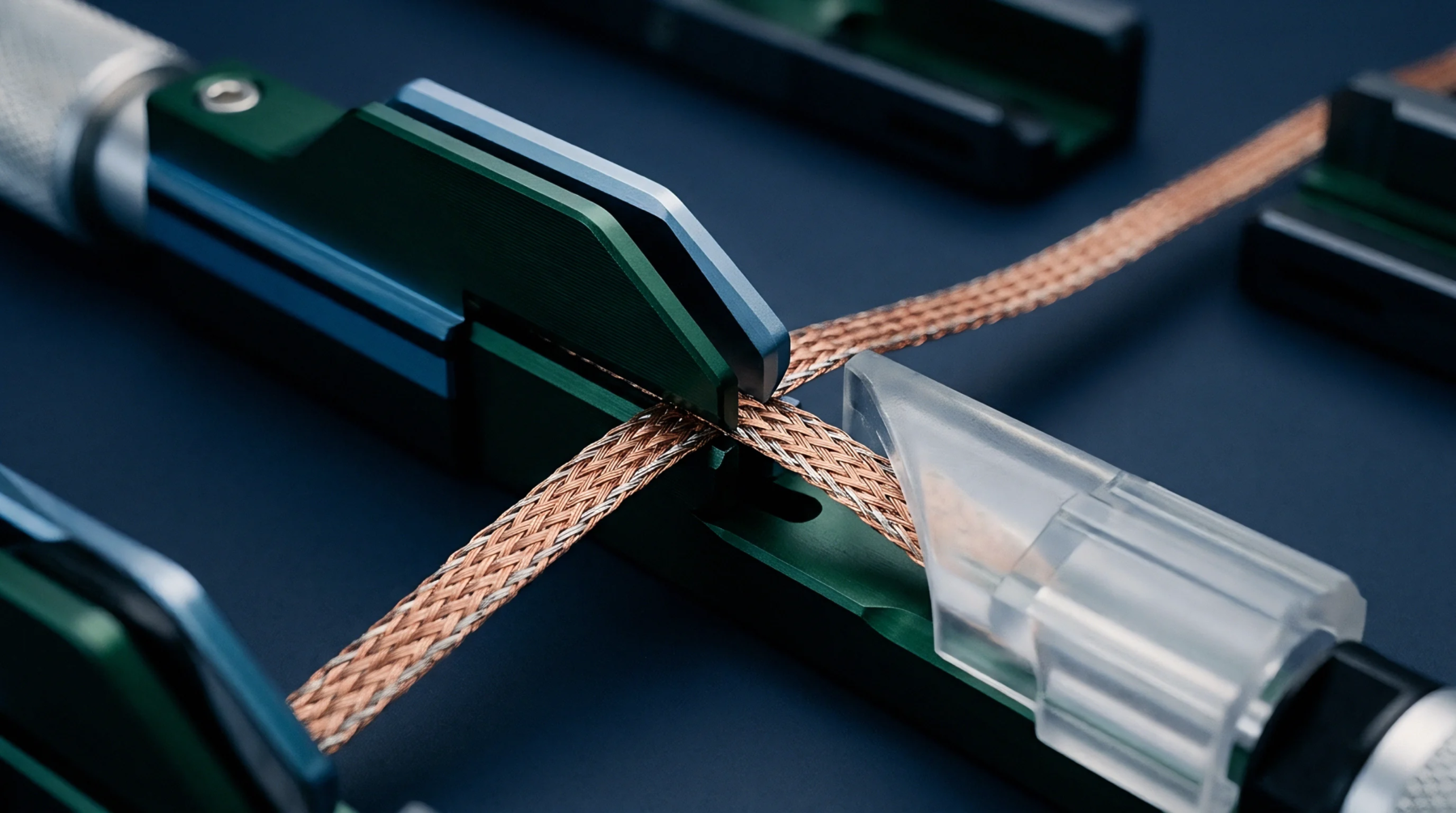
Radio certification success requires four dedicated samples, continuous-wave firmware, certified anechoic site validation, and rigid host integration controls.

Dynamic clear channel assessment optimizes Wi-Fi spatial reuse by elevating OBSS preamble thresholds while proportionally scaling transmit power to isolate co-channel cells.
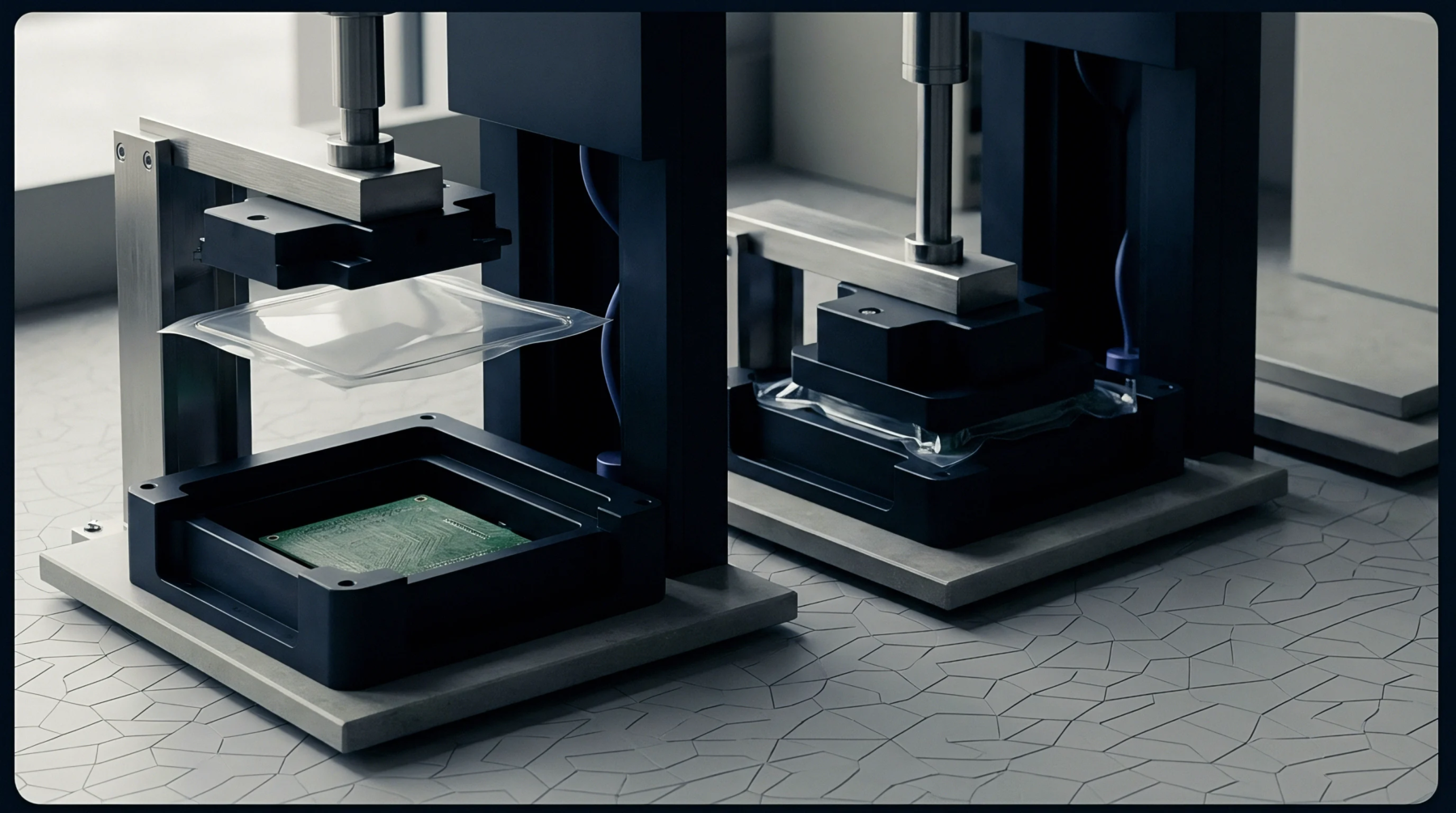
Configure CCA thresholds 6 dB above adjacent cell beacon power while enforcing transmit power control to prevent co-channel frame deferral and packet collapse.

Industrial Wi-Fi module selection demands matching OFDM guard intervals to measured hall delay spread while isolating 5 GHz spatial streams from local noise.

Wi-Fi throughput collapses in dense deployments when preamble misses and conservative energy detection thresholds trigger retry storms and modulation rate decay.
Expertise is a utility, not a secret. sentiention™ publishes its working knowledge as open reference: intelligence layer covering the materials it sources, the markets it enters, and the reference that serves both.