Meaning
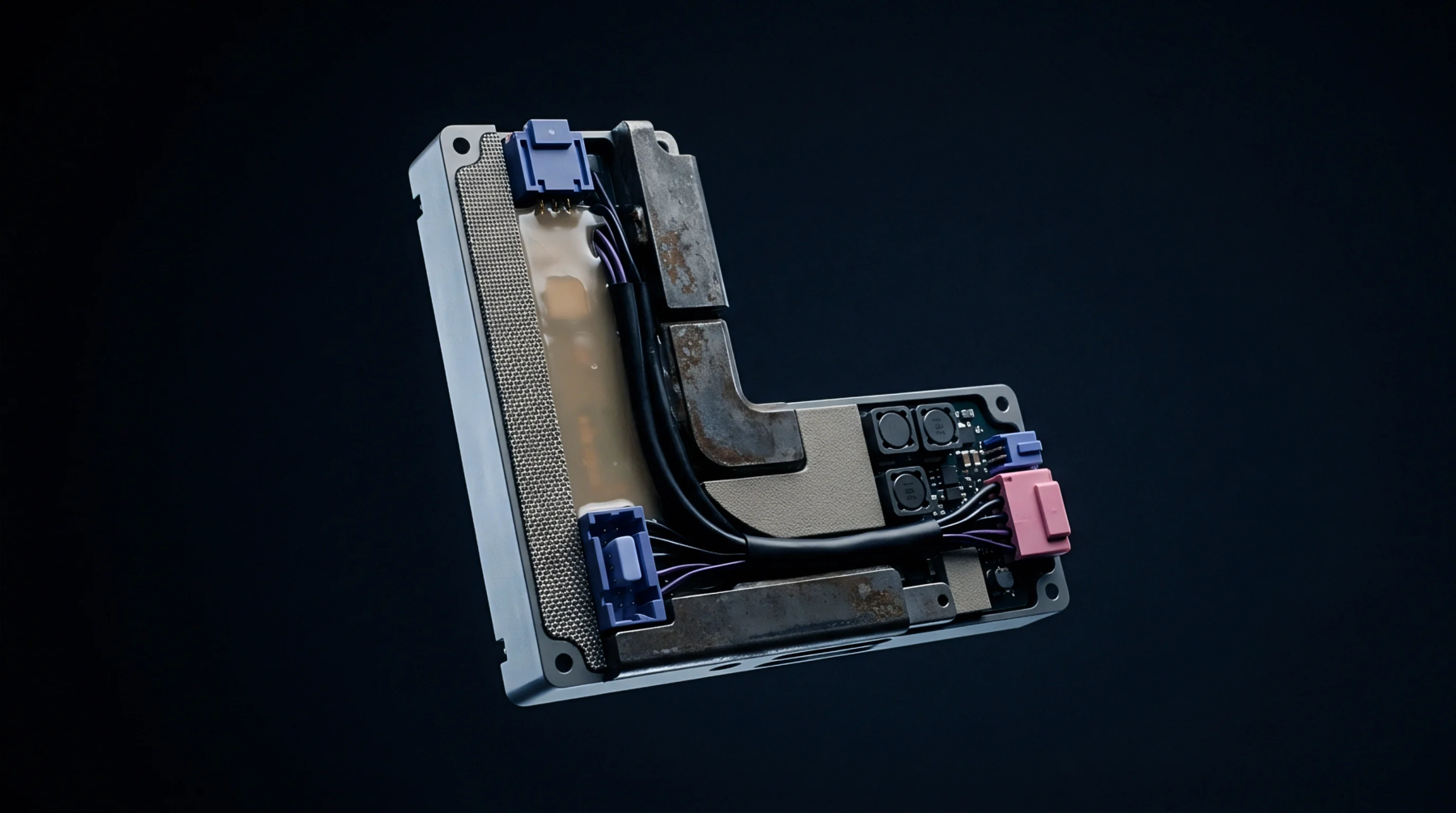
Aluminium enclosures deployed in outdoor radio units rely on a conductive housing boundary to suppress electromagnetic interference and discharge electrostatic buildup safely. Faraday continuity across mating flanges establishes a low impedance path that prevents high frequency currents from escaping the cavity. Gaskets loaded with nickel graphite particles bridge micro gaps between cast aluminium halves during final torque application.
Operating frequencies above six gigahertz demand continuous metal contact without gaps exceeding one twentieth of a wavelength to maintain shielding effectiveness.
Shielding Performance
Surface oxidation films increase transfer impedance across mechanical joints unless chemical conversion coatings provide a low resistance substrate beneath conductive gaskets. Salt spray exposure during environmental testing degrades shielding effectiveness if galvanic corrosion breaks down the metallic contact points between dissimilar metals. Test engineers measure transfer impedance by injecting known currents across the enclosure seam and recording voltage drops at designated receiver ports.
Qualification reports document whether the shield attenuation meets the forty decibel requirement across the operational band from one to ten gigahertz.
Thermal Tradeoff
Enclosure designers balance electromagnetic shielding requirements against internal heat dissipation targets when selecting gasket thickness and compression force. Thick elastomeric cores accommodate casting tolerances on large housings but increase thermal resistance between printed circuit board ground planes and the outer chassis. Thermal pads placed near high power amplifiers create localized pressure points that distort the housing boundary and compromise electrical continuity.
Engineers run finite element simulations to predict gasket deflection under maximum operating temperatures before committing expensive steel molds to production.
Compliance Verification
Production line audits verify the integrity of the housing boundary through DC resistance measurements taken between adjacent casting sections before final packaging. Automated test fixtures apply a fixed current across specified points on the housing and reject units exceeding five milliohms of joint resistance. Regulatory bodies require passing EMI test reports from certified laboratories before granting market access for radio transmitting equipment.
Final compliance hinges on maintaining consistent torque values on all perimeter fasteners during high volume assembly operations.