Meaning
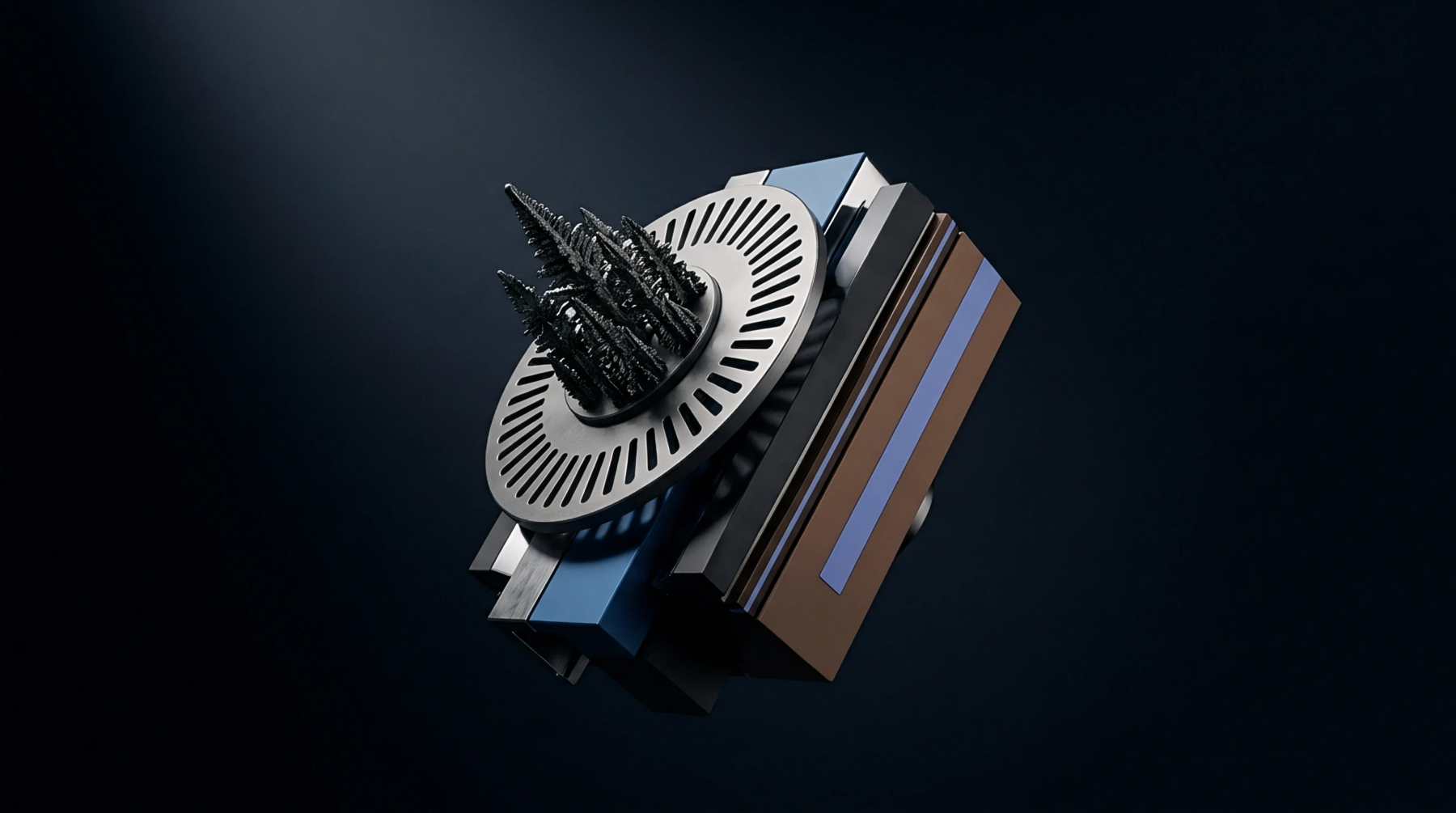
Electroless nickel immersion gold represents a final metallic finish applied to copper circuitry on printed wiring boards. This chemical deposition process coats exposed surface features with a thin layer of nickel followed by a nanometric layer of gold. The nickel serves as a diffusion barrier to protect the underlying copper, while the gold provides a stable surface for electrical connectivity and oxidation resistance.
Chemical Mechanism
Deposition occurs through a controlled autocatalytic reduction reaction in an aqueous bath. Metal ions in the solution trade places with surface atoms on the substrate during the immersion phase. Accurate control of bath pH and temperature ensures the uniformity of the gold deposit across the dense array of pads.
Interface Performance
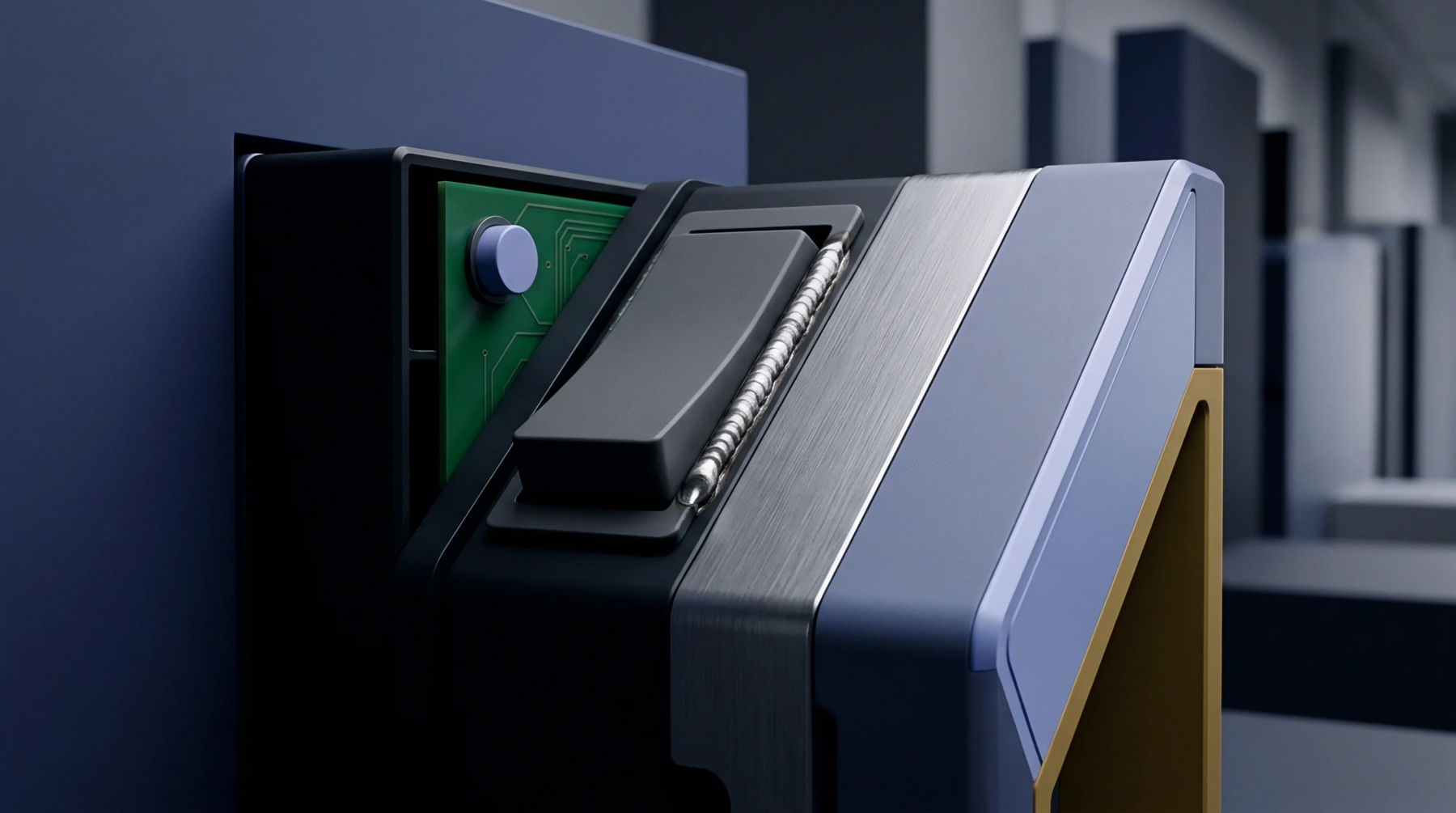
Circuit designers select this finish for its planarity and durability during repeated thermal excursions. Solder joints formed on this surface exhibit high reliability because the gold layer dissolves rapidly into the molten solder to allow a strong intermetallic bond between the nickel and the solder alloy.
Process Limitation
Brittle fracture represents a failure mode that appears under mechanical stress when excessive phosphorus content migrates from the nickel layer into the intermetallic region. Controlling the bath concentration prevents the formation of thick gold layers that degrade the strength of the finished joint.