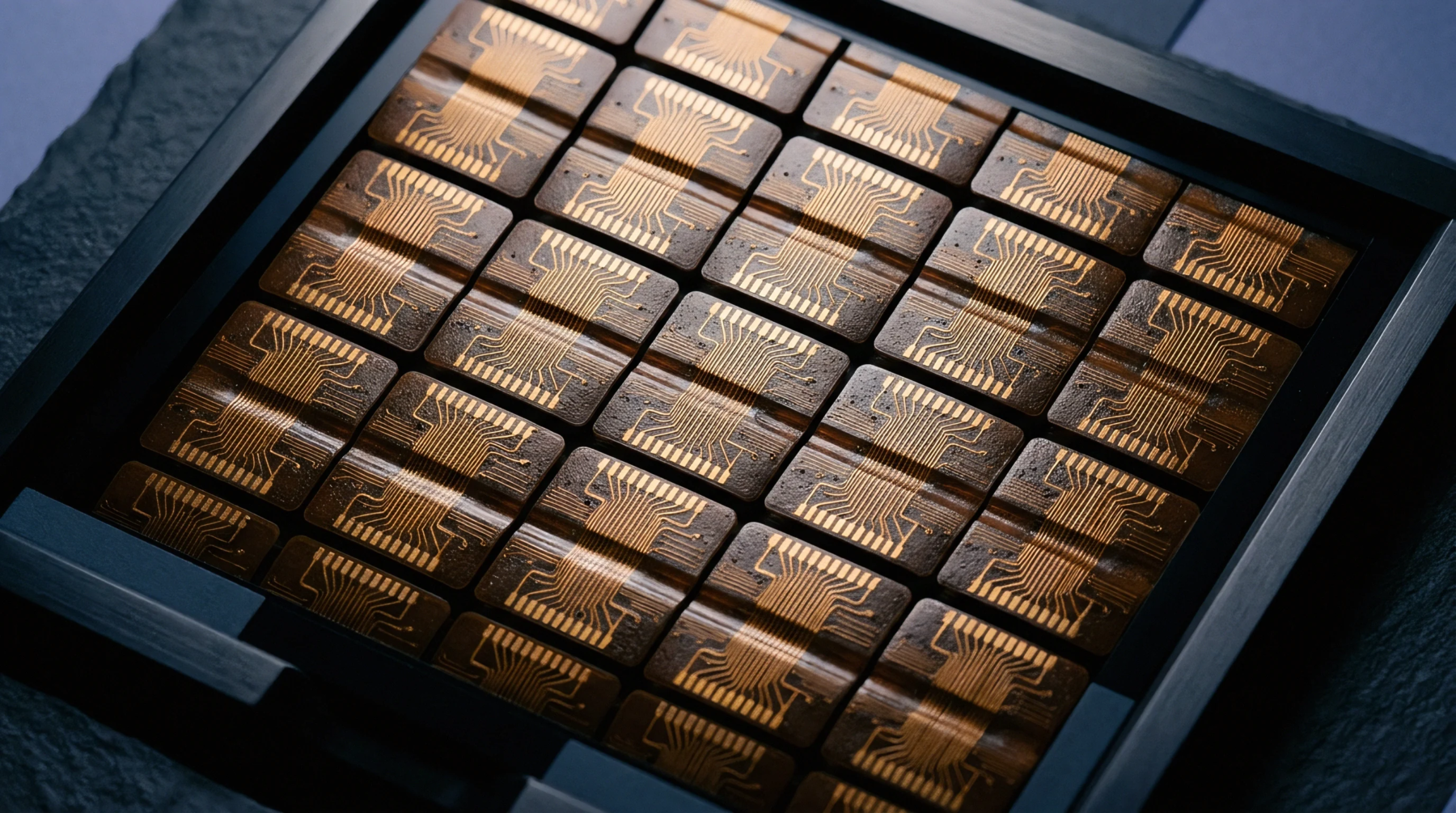
Meaning
Additional storage capacity requirements for parity information represent the trade off between data integrity and usable memory volume. The amount of error correction code overhead is determined by the strength of the algorithm and the size of the data sector it protects. While more parity bits allow for the correction of more errors, they also reduce the amount of space available for user data.
Capacity Impact
High density memory chips require stronger protection, which leads to an increase in the non usable portion of the array. This error correction code overhead can range from a few percent in high quality SLC flash to over fifteen percent in modern QLC drives. Manufacturers weigh the cost of this extra silicon against the reliability needs of the target market.
Throughput Penalty
Processing the extra parity bits during every read and write operation adds to the total system latency. If the error correction code overhead is too high, the controller might struggle to keep up with the data rate of the host interface. This bottleneck is especially visible in high speed solid state drives where the correction engine must process gigabytes of data per second.
Design Allocation
System architects must decide how much of the raw flash capacity to dedicate to these protective structures. A generous error correction code overhead allows for a longer product life because it can handle the higher error rates that occur as the cells wear out. However, this comes at the cost of a higher price per usable gigabyte.
Engineers use complex simulations to find the optimal balance that meets both the performance and the durability goals of the product.