Meaning
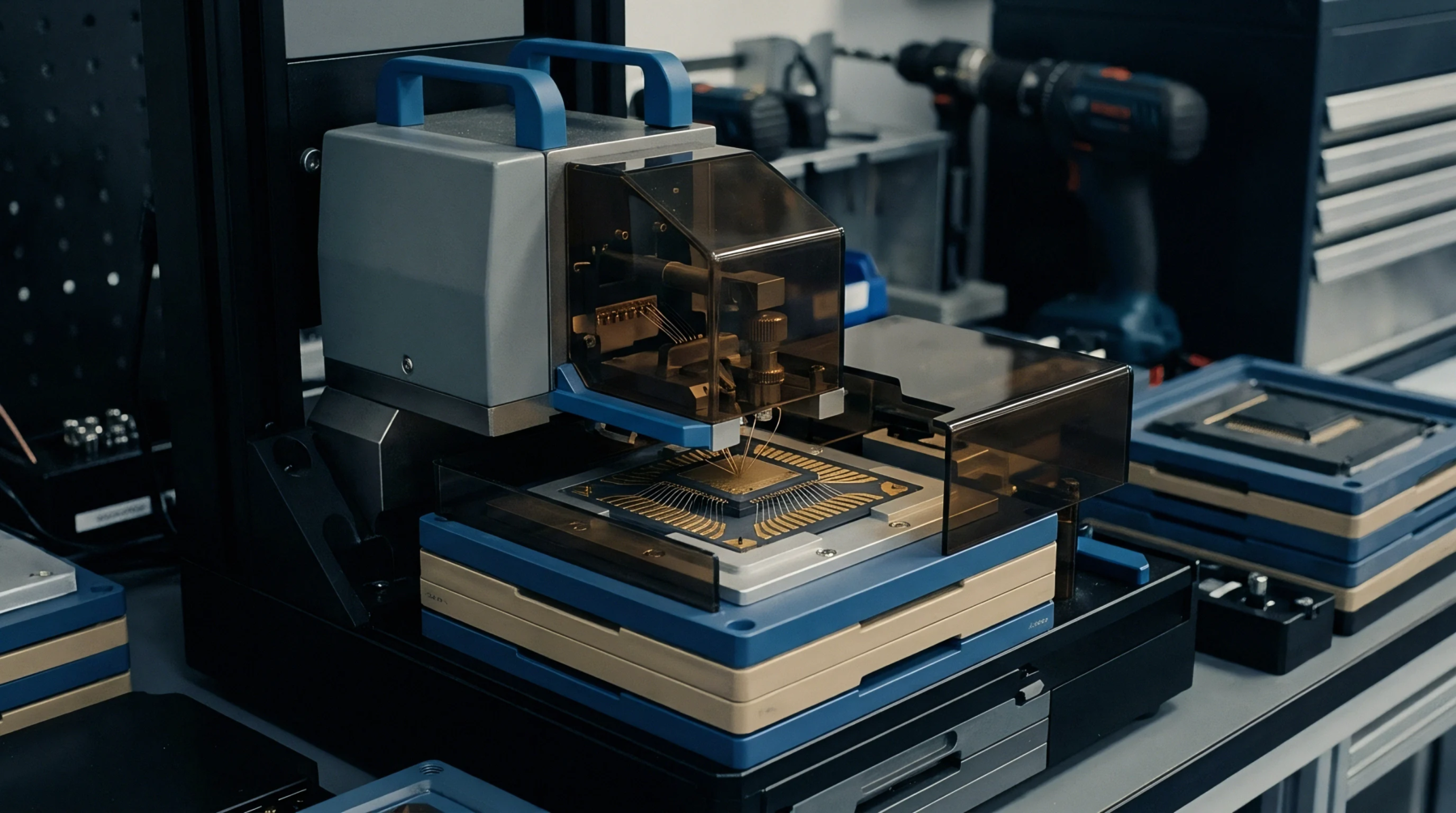
Post-production testing of semiconductors uses structured databases that associate observed test failures with specific physical defect locations on the die. The practice of fault dictionary extraction generates these lookup directories by simulating the effects of different internal hardware faults on the output vectors of a test pattern. This database allows test engineers to identify the likely physical cause of a chip failure by comparing the output of a broken chip with simulated failure patterns.
Simulation Generation
Automated design tools run fault simulations on the circuit netlist to compile the database. During fault dictionary extraction, the test software inserts simulated shorts or opens at every circuit node and evaluates the resulting output responses. This diagnostic compiler records each unique failure signature to build a comprehensive map of fault behaviors.
Database Size
The volume of data generated during simulation can grow extremely large for complex system-on-chip designs. Because of this, developers use compression methods to store only the essential diagnostic data. This compression keeps the file size small enough for test equipment memories.
Diagnostic Execution
Product engineers use these generated files during high-volume manufacturing to analyze defective units that fail on the automatic test equipment. When a chip fails a production test, fault dictionary extraction data helps the test processor correlate the failing pins and test cycles to a short list of suspected logic gates. This correlation guides physical failure analysis teams as they remove layers of the silicon package to inspect the die under an electron microscope.
Speedy defect localization reduces yield ramp times by highlighting systemic manufacturing issues early in the production life cycle.