Meaning
Thin magnetic composite layers attenuate electromagnetic interference by converting high frequency noise into thermal energy. A ferrite absorber sheet suppresses unwanted signal coupling between electronic components within a high density circuit board assembly. These materials employ synthetic sintered iron oxide particles held within a polymer matrix to facilitate flux linkage and signal loss.
Interference Suppression
Passive shielding components attenuate radiated emissions by controlling local magnetic flux density across the operational spectrum of the device. High permeability ferrites dissipate noise through hysteresis loss when the alternating current field interacts with the material structure. Selecting the correct thickness and material composition optimizes the isolation of sensitive signal lines from adjacent power switching circuitry.
The material provides a stable impedance profile that maintains shielding effectiveness across a wide temperature range. Proper application reduces the risk of logic errors or data corruption caused by external magnetic fields.
Thermal Integration
Base mechanical fit requirements dictate that the material thickness remains within the tolerance band defined by the assembly housing. Pressure sensitive adhesive backings facilitate mounting to the surface of individual processors or radio frequency modules during final integration. Designers often require the sheet to sustain structural integrity throughout the environmental stress screening process.
Compression settings ensure that air gaps disappear to maximize the coupling efficiency between the noise source and the absorber material.
Component Qualification
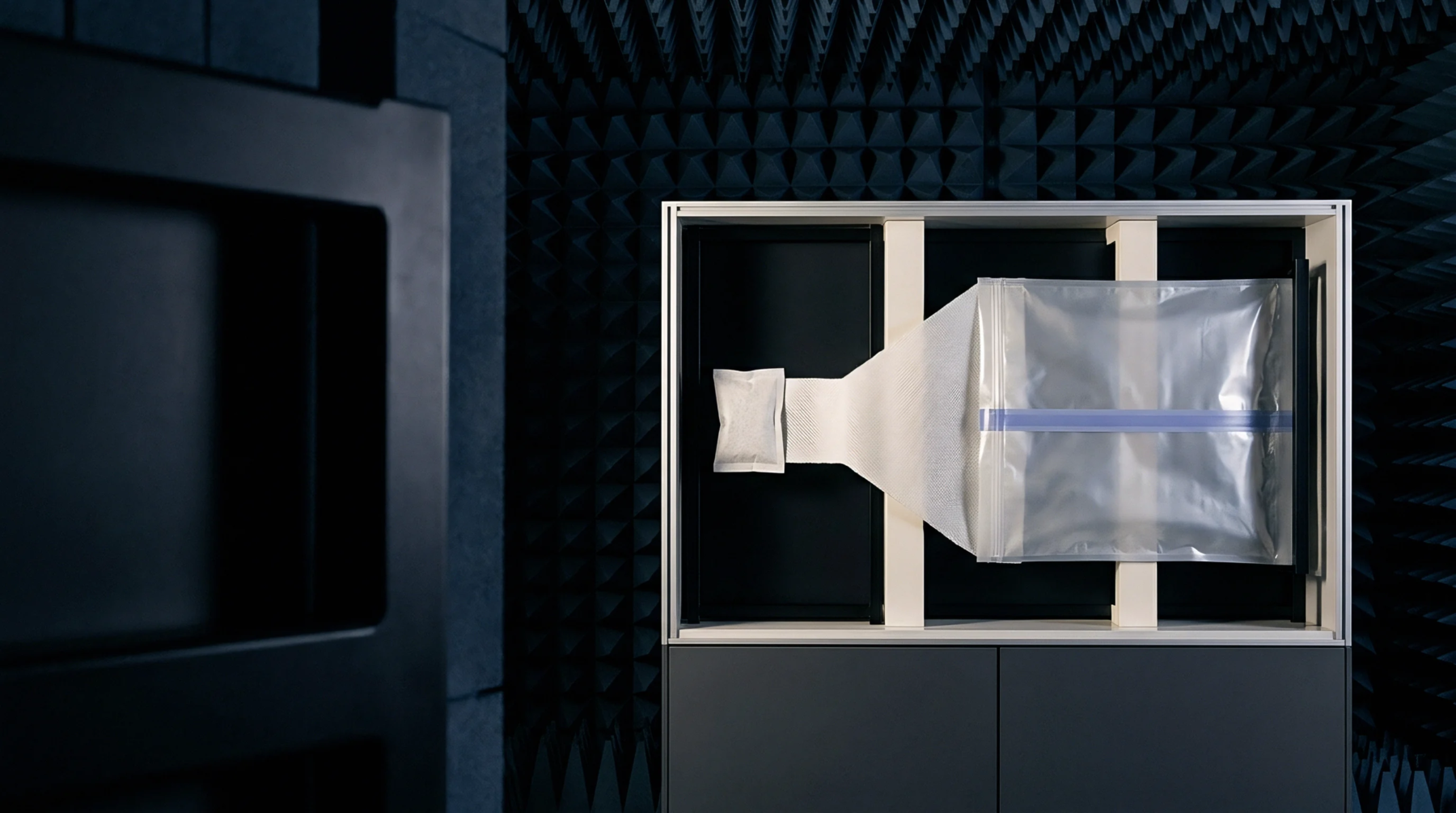
Procurement specifications rely on the surface resistivity and complex permeability values of the material to confirm compliance with industry radio frequency standards. Engineers evaluate the insertion loss in a controlled testing chamber to verify the performance against the target frequency range of the circuit. A batch validation confirms that the polymer binder maintains its mechanical properties after exposure to high operational heat.
Verification of these metrics establishes a consistent performance baseline for every completed electronic assembly.