Meaning
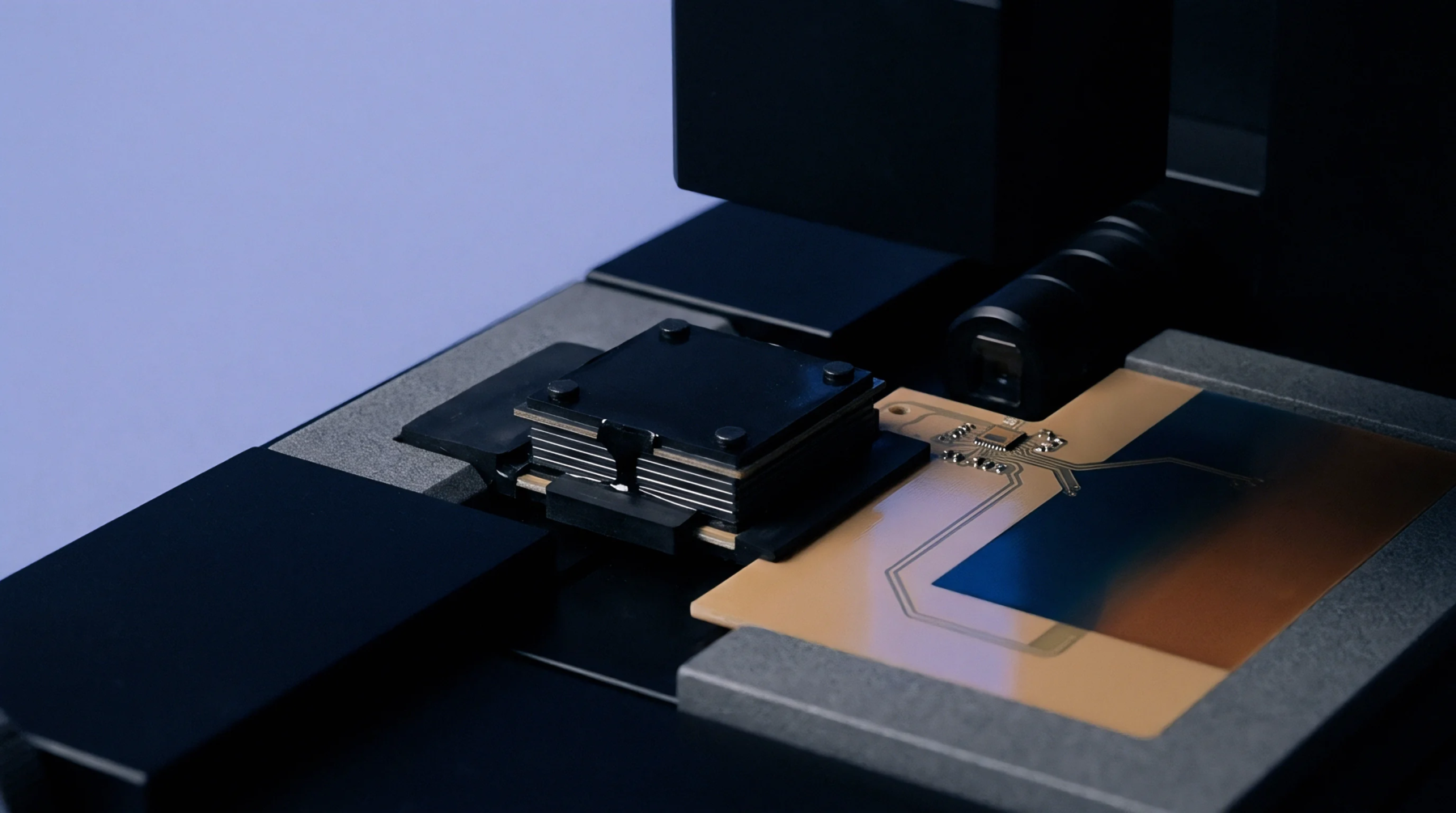
Electromechanical interfaces connect integrated circuits to automated test equipment during high speed validation procedures without distorting the high frequency signals. A high-frequency test socket achieves this low distortion by maintaining a controlled impedance through the entire signal path. The socket holds the package under test securely against a printed circuit board while short spring pins make contact with the component solder balls.
This minimizes parasitic inductance and capacitance that would otherwise degrade the signal integrity at gigahertz frequencies.
Electrical Performance
Return loss and insertion loss are critical metrics that engineers measure using vector network analyzers up to forty gigahertz. When a high-frequency test socket is used, these parameters must remain within strict limits to ensure that the testing hardware does not mask the true performance of the chip under test.
Contact Technology
Spring probes or conductive elastomer blocks provide the physical connection between the semiconductor package and the test board. In a high-frequency test socket, these pins are engineered with very short heights to reduce signal delay. The contacts must survive hundreds of thousands of actuation cycles before wearing out.
Thermal Dissipation
Integrated heatsinks and cooling fans are frequently integrated into the socket lid to handle high power consumption. The thermal management system must maintain a constant junction temperature during stressful electrical tests. This prevents thermal runaway from damaging the silicon during testing.