Meaning
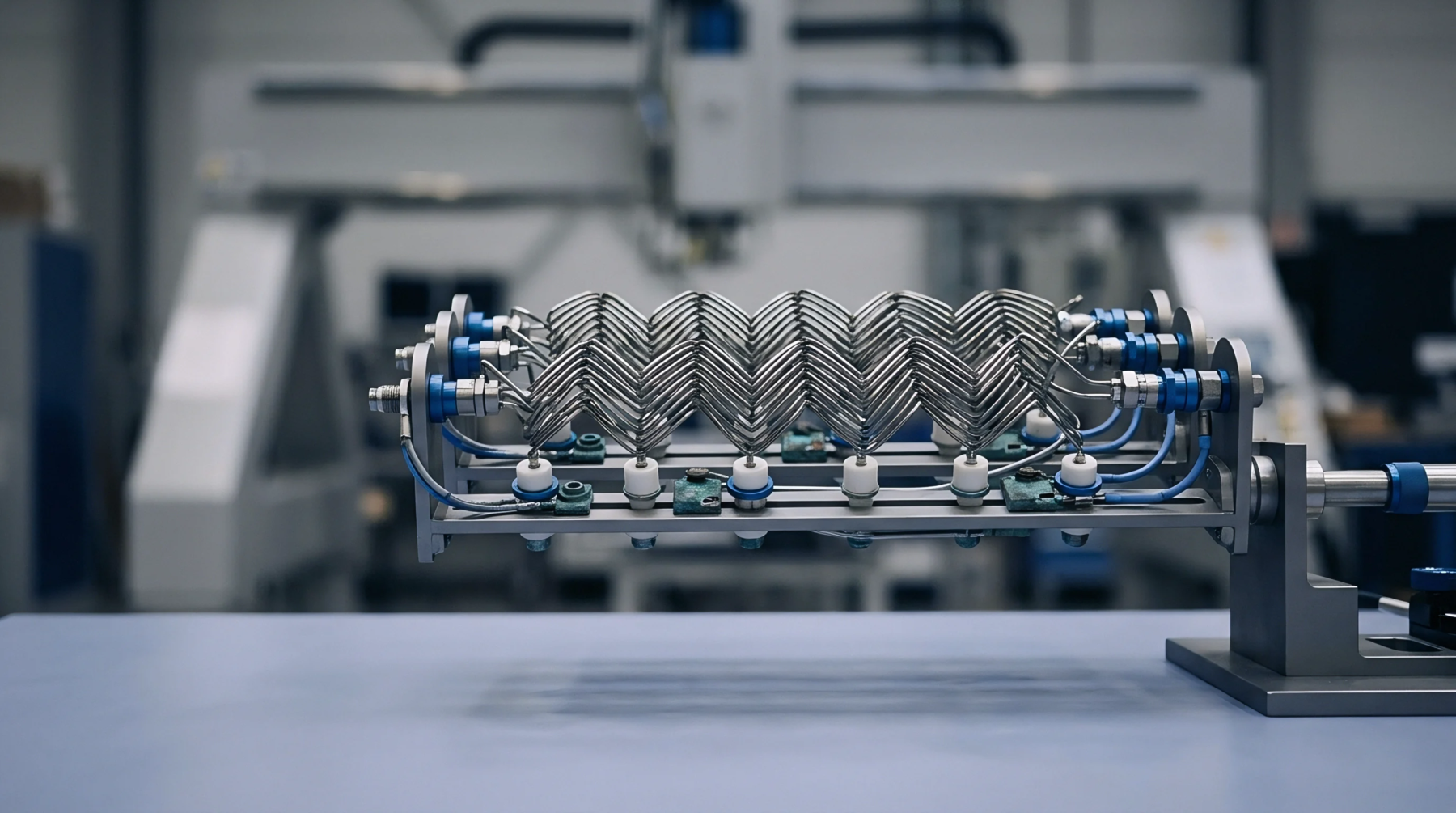
Set of specialized dies and patterns used to create complex metal components by surrounding a sacrificial model with a ceramic shell. This infrastructure defines the final geometry of the part, including internal cavities and fine surface details that would be difficult to machine. In the context of connectivity hardware, investment casting tooling produces lightweight heat sinks and enclosures with high structural integrity.
The use of this tooling stops being cost-effective for simple geometries or low-volume prototypes where subtractive manufacturing or 3D printing is more efficient.
Dimensional Tolerance
Precision in the initial wax injection phase determines the eventual fit of the metal component in the final assembly. Mold makers account for the shrinkage rates of both the wax and the metal alloy to ensure the finished part meets the specification. This requires a sophisticated understanding of thermal physics and material behavior.
If the tooling is not designed with these variables in mind, the resulting parts may require extensive post-processing or fail to align with critical interfaces.
Surface Finish
Quality of the interior mold surface directly influences the skin effect and signal loss in RF waveguides and antenna housings. A smooth finish reduces the need for secondary polishing operations that could introduce dimensional errors. Fine details such as cooling fins or mounting bosses are integrated into the investment casting tooling to reduce part count and assembly complexity.
The choice of tool steel and the method of mold polishing are decided based on the expected production volume and the required aesthetic or functional finish of the metal part.
Economic Scale
Capital expenditure for these molds represents a substantial portion of the initial program cost. Once the tooling is qualified, the piece price drops significantly compared to other methods.