Meaning
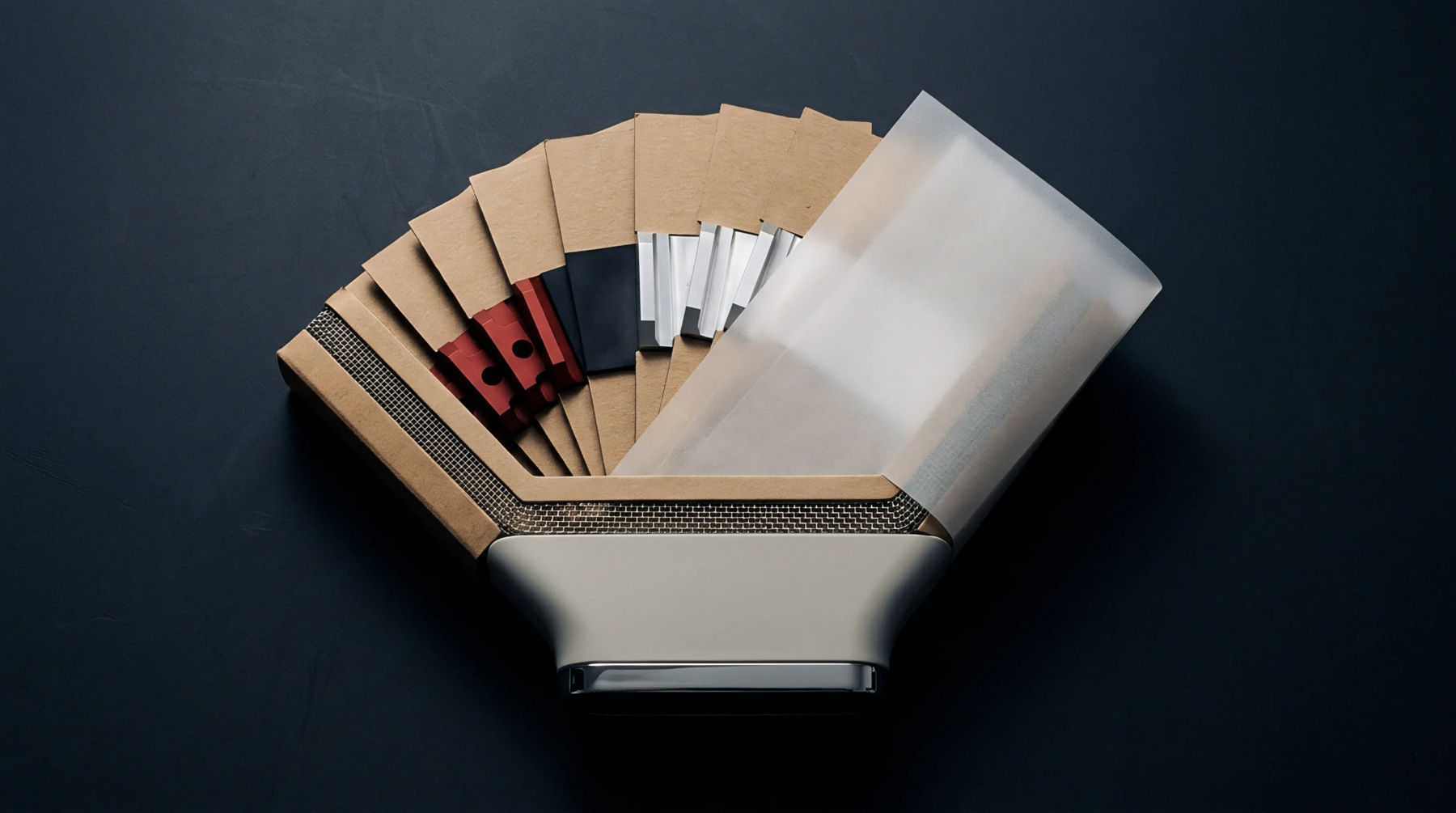
Network protocols split large data packets into smaller fragments to ensure reliable transmission over unreliable wireless links. The process of mac layer reassembly involves gathering these individual pieces at the destination and joining them back into the original frame. This operation happens before the data is passed to the higher layers of the networking stack.
Fragment Sequencing
Each small piece of the original packet contains a sequence number and a flag indicating if more fragments are following. During mac layer reassembly, the receiver uses these identifiers to put the data back in the correct order. If a single fragment is missing, the entire packet cannot be completed and must be discarded.
The hardware timer ensures that the receiver does not wait indefinitely for a piece that might have been lost in transmission.
Buffer Management
Temporary storage space is required to hold the incoming fragments until the full set arrives. Efficient mac layer reassembly requires the system to allocate memory dynamically to handle multiple concurrent streams from different senders. A lack of available buffer space will force the device to drop incoming fragments and trigger a retransmission from the source.
Protocol Efficiency
Breaking down large messages reduces the likelihood that a long burst of interference will destroy the entire transmission. The mac layer reassembly mechanism allows the system to use the optimal packet size for the current radio conditions. This flexibility improves the overall throughput of the network by minimizing the amount of data that must be resent after an error.