Meaning
Dimensional variation caused by heating is the physical property that dictates how much a solid object expands or contracts during temperature fluctuations. This phenomenon governs mechanical fit within tight assemblies where multiple components of different chemistries meet inside a shared housing. Component manufacturers publish specific linear coefficients to quantify these size shifts per degree of temperature change.
Thermal Budget
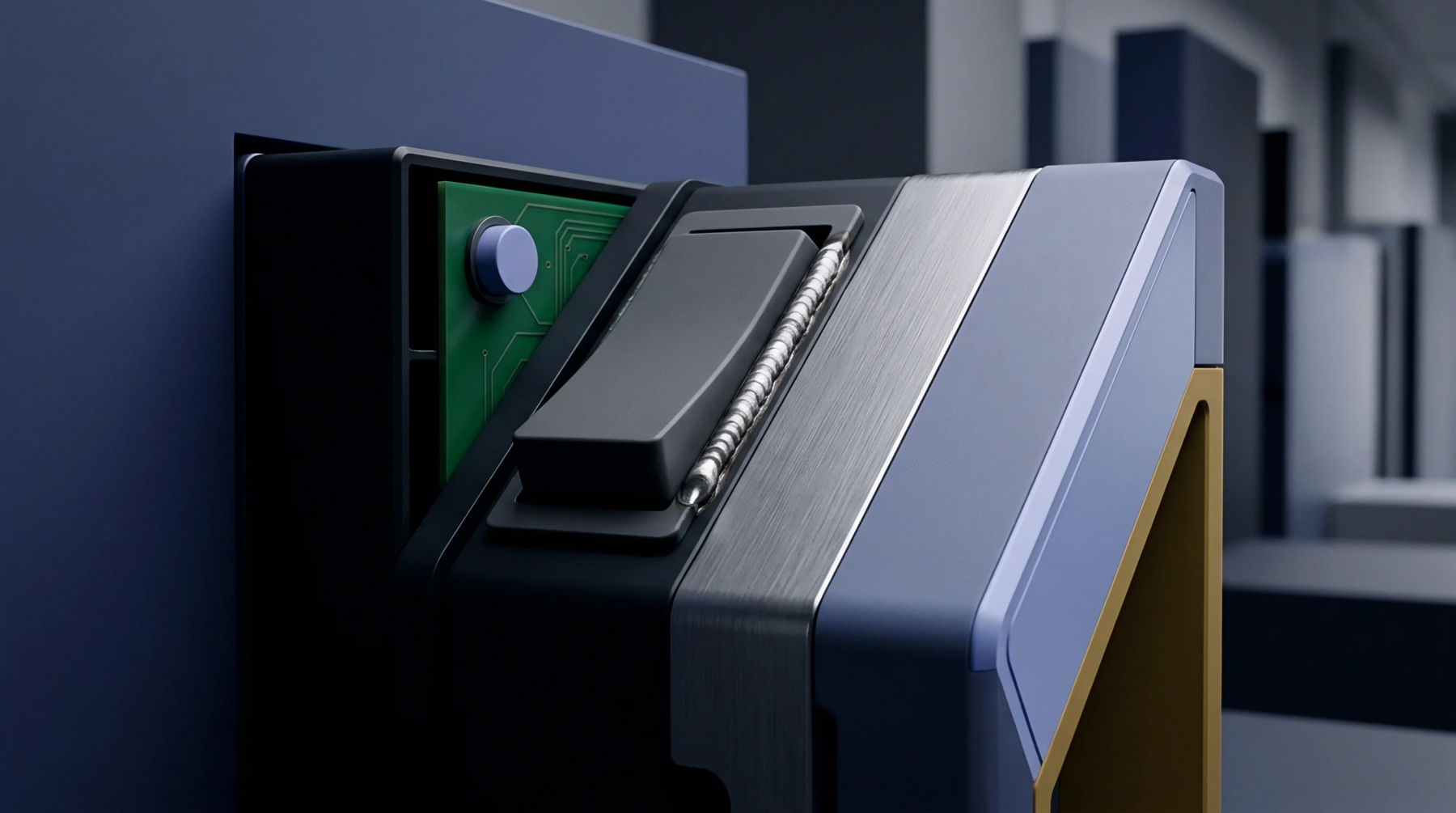
Heat dissipation inside tightly packed electronics enclosures creates internal gradients that challenge mechanical tolerances. Material thermal expansion dictates whether a printed circuit board stretches enough during operation to shear solder joints at the package corners. Engineers calculate cumulative dimensional shifts across the entire operating temperature range before selecting fastener locations.
Differential movement between an aluminum chassis and a ceramic substrate creates continuous shear stress during power cycles.
Interface Mismatch
Joint integrity depends on matching expansion rates across adjacent layers to prevent delamination or microcracking. Fastener selection requires careful calculation because steel hardware holds tight while surrounding plastic housings attempt to grow away under thermal loads. Production testing exposes completed assemblies to rapid thermal shock cycling to verify that dissimilar materials do not part ways.
Mechanical failure often traces directly back to an unmanaged expansion differential between the housing wall and the internal connector pin.
Qualification Handover
Quality auditors review expansion calculations during design reviews to verify that thermal limits match the operating environment declared in the procurement contract. Final factory acceptance testing includes dimensional measurement before and after burn-in to confirm that components return to their original baseline size without permanent deformation. Buyers reject batches showing microstructural distortion caused by uncontrolled heating during earlier processing steps.
Reliable field performance relies entirely on predicting these physical movements before hardware leaves the production line.