Meaning
Shielded cable assembly used to bridge the connection between a small form factor radio module and a chassis mounted connector. A micro-coaxial pigtail typically features a push on connector at one end and a threaded bulk head at the other. Designers select these components to minimize signal loss while providing mechanical flexibility.
It is used for internal routing and is not intended for exposure to outdoor environmental conditions.
Assembly Construction
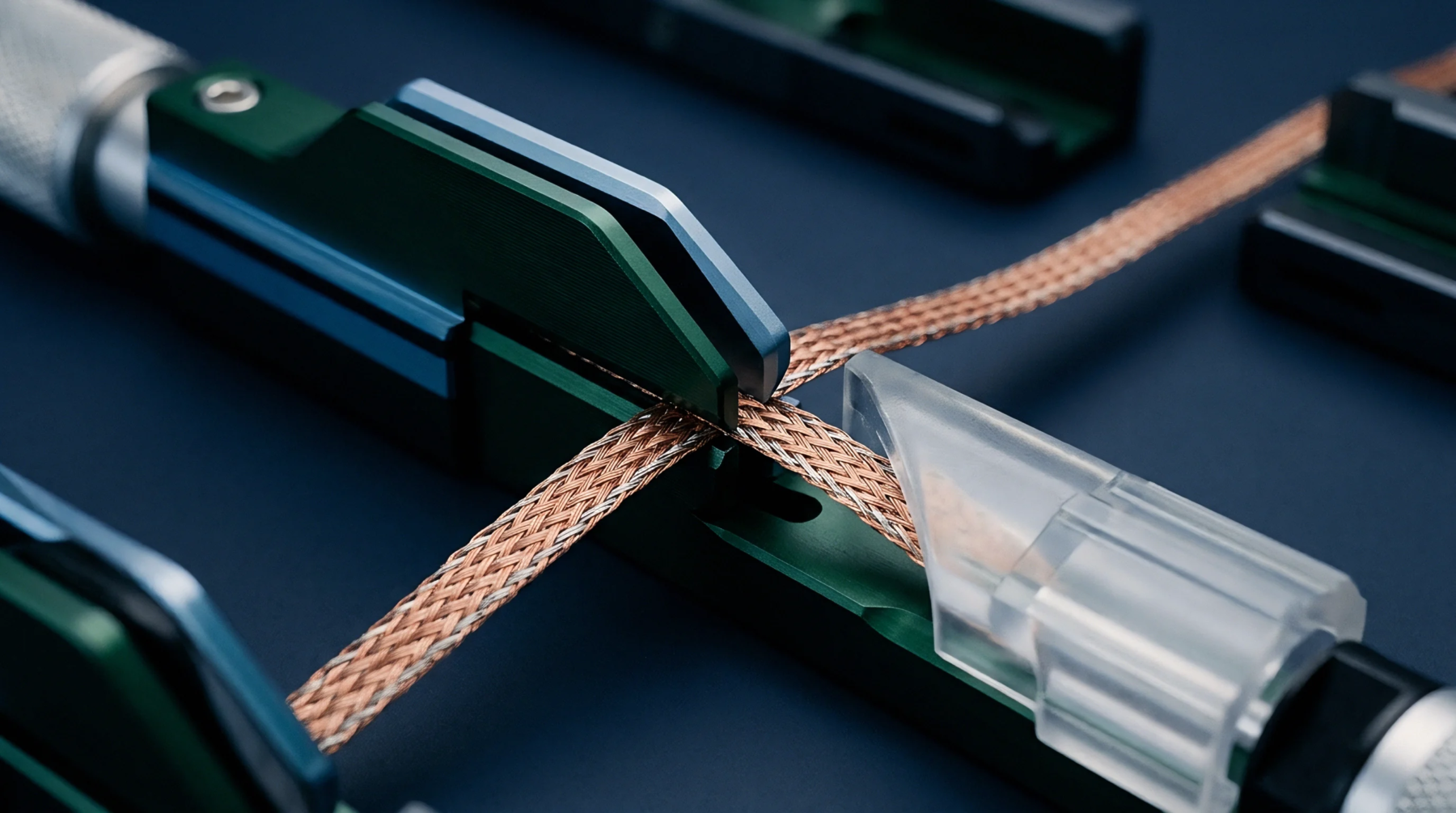
The cable consists of a center conductor surrounded by a dielectric insulator and a braided metal shield. This construction protects the radio signal from electromagnetic interference and prevents the cable from radiating energy into nearby circuits. The small diameter allows it to fit through narrow gaps in the device housing.
Bend Radius
Forcing the cable into a tight curve can damage the internal structure and increase the signal attenuation. Manufacturers specify a minimum bend radius that must be respected during the assembly process to ensure long term reliability. A damaged micro-coaxial pigtail is a common cause of poor wireless performance.
Signal Loss
Every millimeter of cable introduces a small amount of signal attenuation measured in decibels. Using a micro-coaxial pigtail that is unnecessarily long can degrade the link budget and reduce the operating range of the device. Engineers calculate these losses during the initial design phase to ensure the antenna receives sufficient power.