Meaning
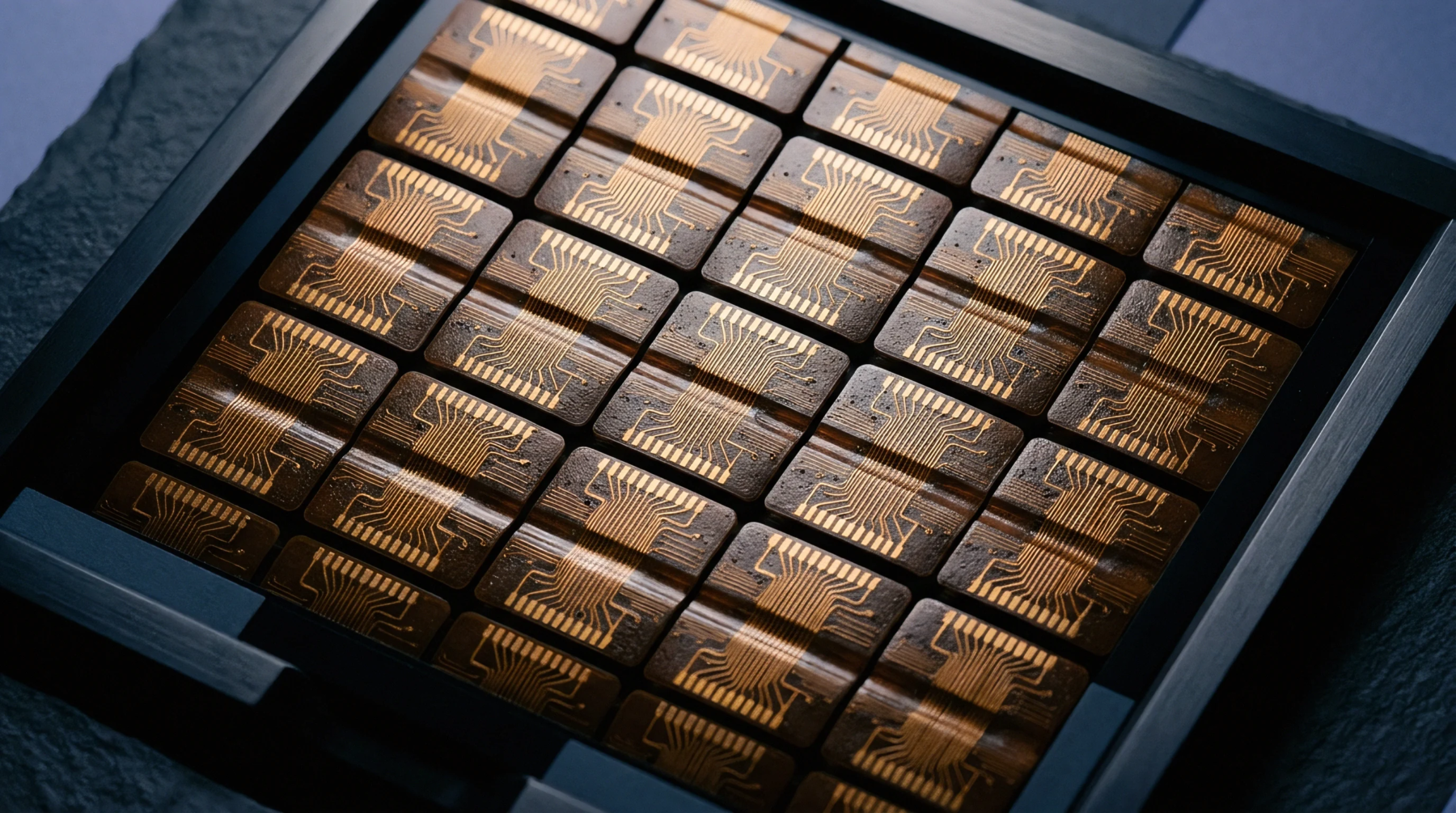
Protective resin coatings shield electronic components from moisture and mechanical damage during their operational life. High speed assembly lines use mold compound encapsulation to seal sensitive radio frequency modules inside a durable thermosetting plastic. This process creates a rigid block that holds the leadframe and the silicon die firmly in place.
It prevents the entry of contaminants that could cause electrical shorts or corrosion on the circuit traces.
Thermal Property
Thermal stability is achieved by selecting resins that match the expansion rates of the metal and silicon parts inside. During the heating cycles of a production oven, mold compound encapsulation must not crack or pull away from the internal structures. This match ensures that the component remains functional even when exposed to the heat of a soldering iron or a power hungry processor.
Processing Sequence
Material properties vary based on the amount of silica filler added to the epoxy resin. Designers choose a specific grade of mold compound encapsulation to weigh the cost of the material against the requirement for high impact resistance. The chemical makeup also determines the electrical insulation value of the finished package.
Environmental Shielding
Processing steps include placing the assembly in a preheated die and injecting the resin under high pressure. The quality of mold compound encapsulation is verified through acoustic scanning to look for air bubbles or gaps in the plastic.