Meaning
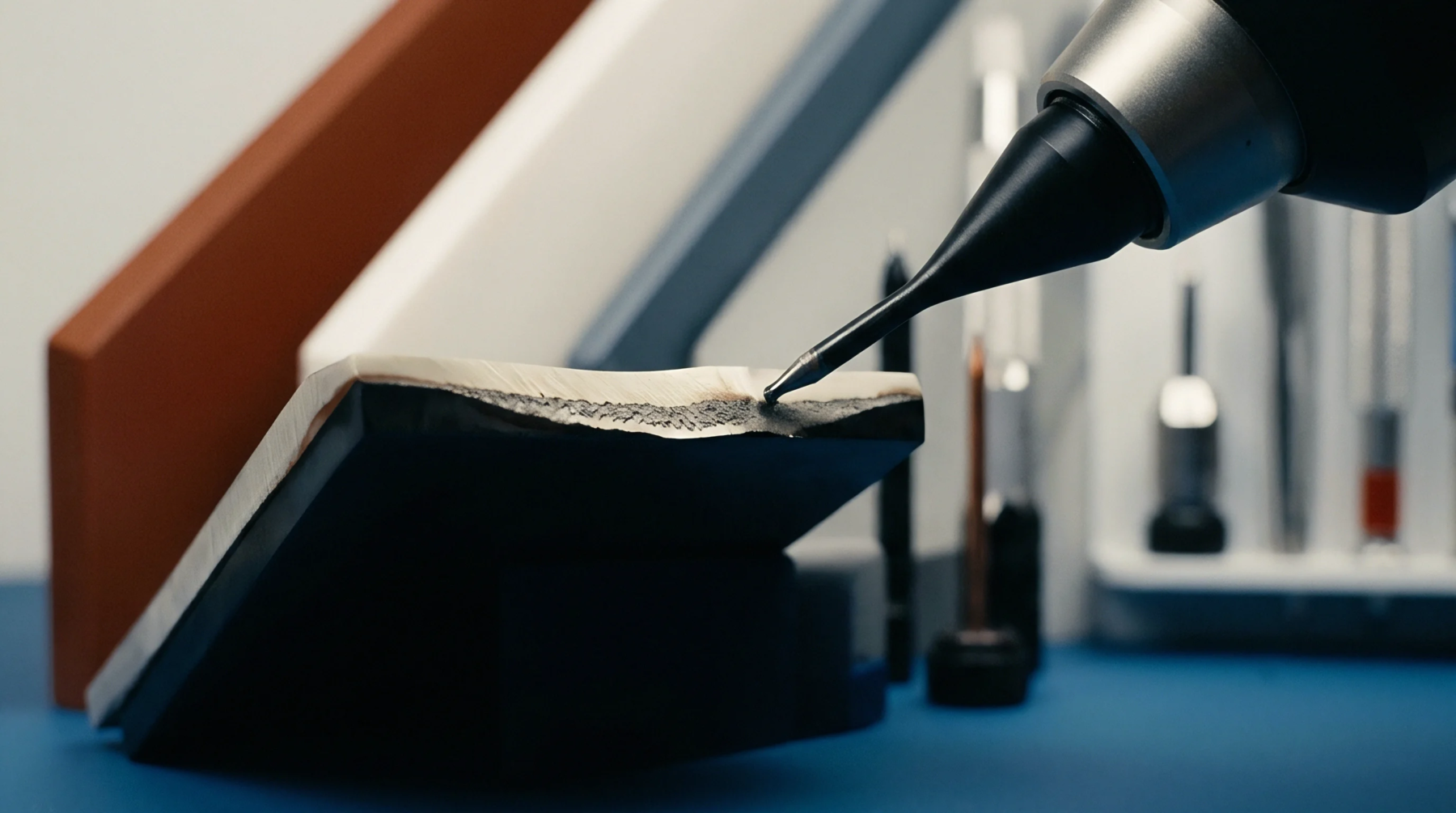
Robotic positioning system capable of moving along more than three independent planes enables the manufacturing of complex three dimensional geometries. Advanced assembly lines use multi-axis automated tooling to orient modules or apply coatings to curved surfaces.
Mechanical Freedom
Degrees of freedom beyond the standard horizontal and vertical axes allow the tool head to reach hidden areas. This flexibility reduces the number of setups required to finish a part, which decreases the risk of handling damage. Servo motors controlled by a central processor coordinate these movements to maintain a constant speed and angle.
System Integration
Sensors mounted on the arm provide feedback on the pressure and position of the effector. This data allows the controller to adjust for variations in the part shape or the wear of the abrasive pad. Integration with a master factory controller ensures that the tooling operates in sync with the rest of the production line.
Process Outcome
Precision in orientation is required for the installation of antennas and sensors in modern smart devices. By rotating the workpiece or the applicator, the system maintains the exact tolerances needed for radio frequency performance. This capability supports the production of enclosures with internal features that a fixed tool could not reach.
Continuous monitoring of the axis alignment prevents drift and ensures that each unit meets the strict mechanical requirements of the design. Mechanical stability is verified through regular coordinate checks against a laser tracker.