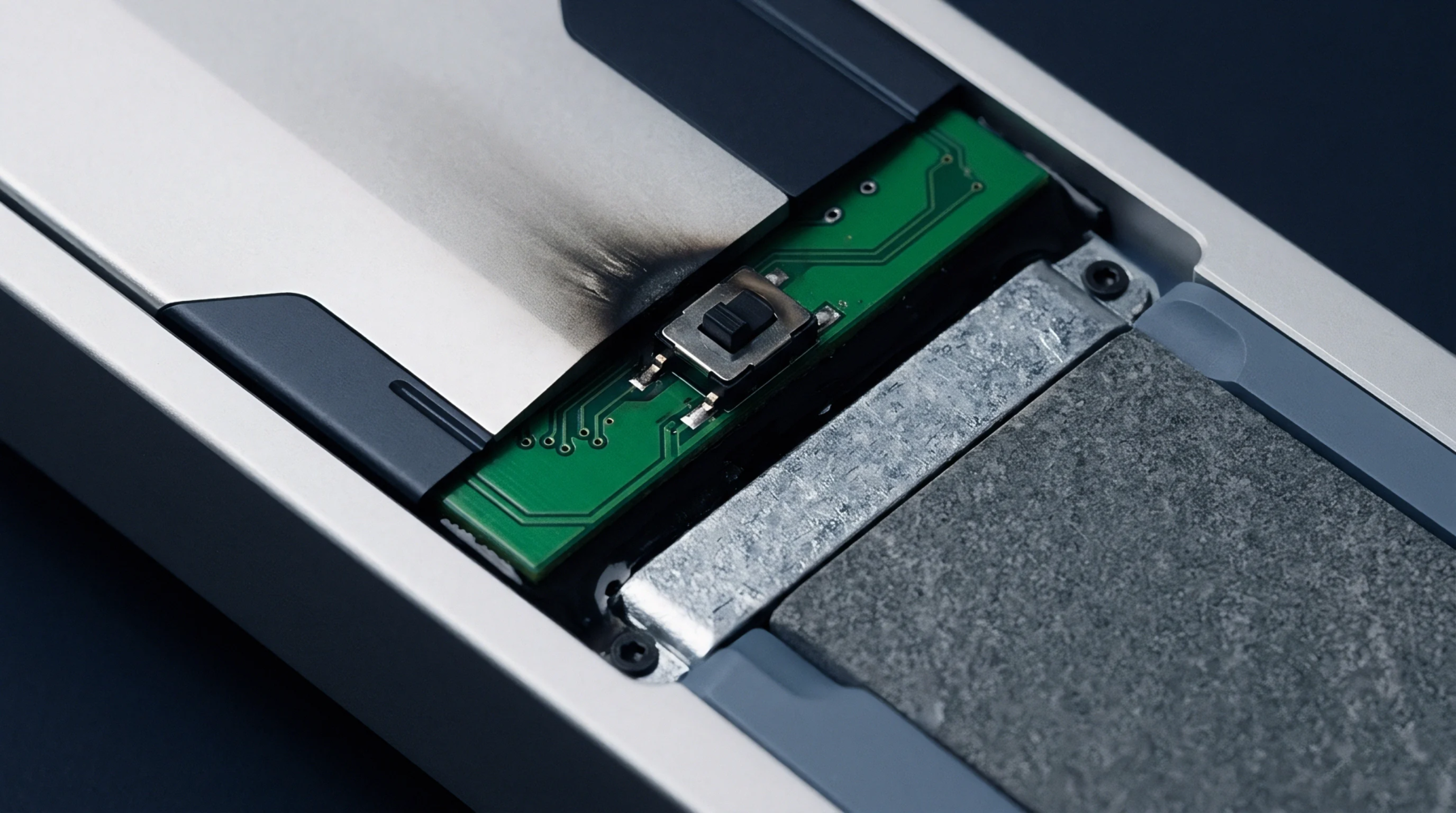
Meaning
Chemical reaction of a metal surface with atmospheric oxygen creates a non-conductive layer that increases electrical resistance over time. This oxide growth alters the surface properties of contacts and waveguides, leading to signal degradation in high-frequency systems. It is accelerated by elevated temperatures and high humidity levels.
Preventing this layer from forming is critical for ensuring long-term reliability in communication hardware.
Chemical Reaction
Exposing bare copper or aluminum to air initiates the formation of a thin, passive oxide film. While this layer can protect the underlying metal from deeper corrosion, it presents a barrier to electrical current. In RF assemblies, the oxide growth is particularly problematic because high-frequency signals travel mostly on the outer surface of the conductor.
The non-conductive oxide layer increases resistance and causes attenuation.
Contact Degradation
Mating joints suffer from increased insertion loss.
Prevention Method
Applying a thin plating of gold, silver, or nickel over the base metal prevents oxygen from reaching the reactive surface. These coatings block oxide growth and maintain a highly conductive, stable interface. In hermetically sealed modules, substituting the air with dry nitrogen or creating a vacuum further limits the chemical reactions that cause oxide formation.
This technique is standard in high-reliability aerospace applications.