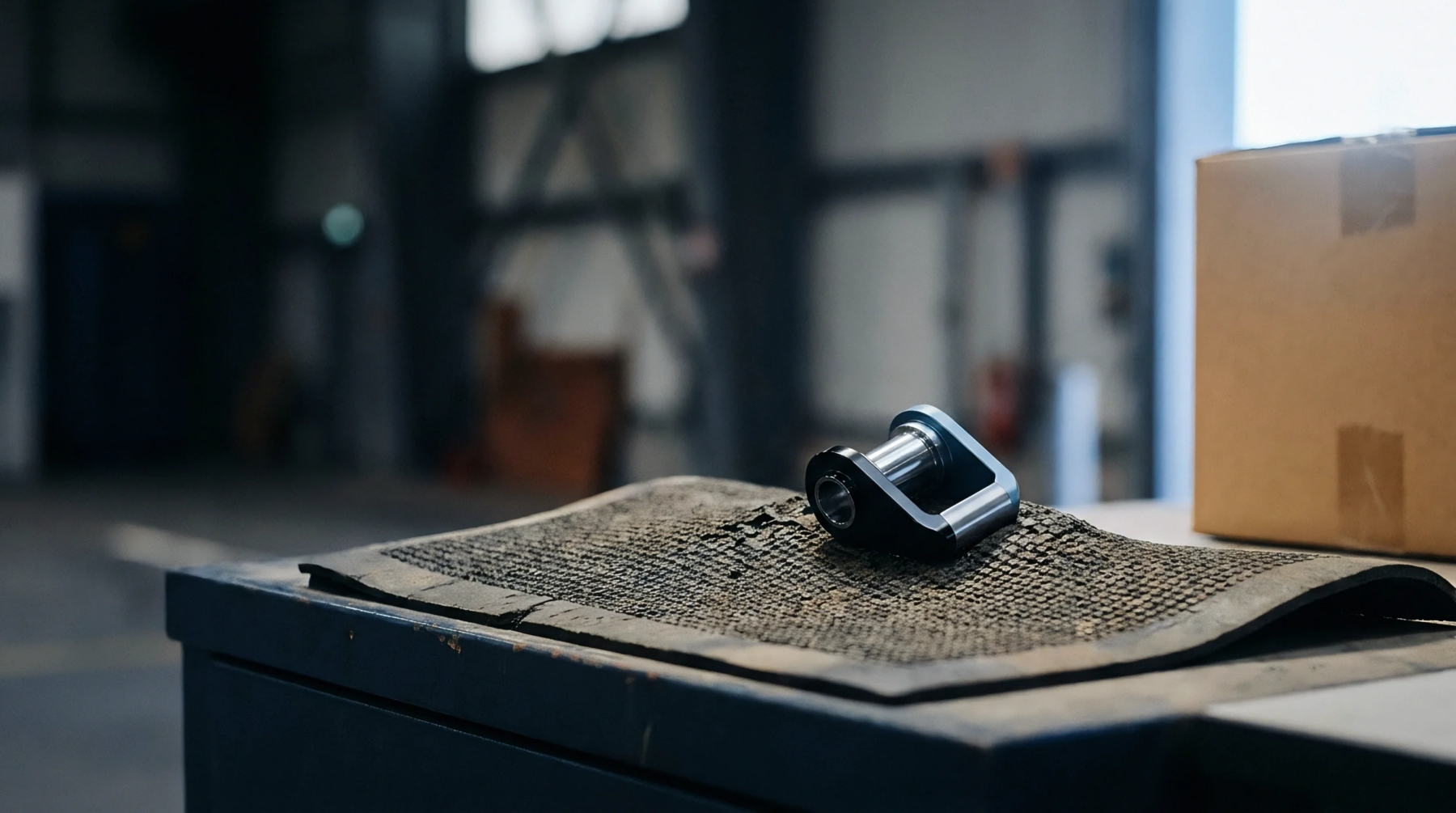
Meaning
Financial arrangements for custom molds or jigs allow for the gradual reimbursement of capital expenses through production volume. Re-creditable tooling is an asset paid for upfront by the buyer but credited back by the supplier as a discount on each finished unit. This mechanism shifts the financial burden of specialized equipment over the lifecycle of the product.
Recovery Schedule
The agreement typically specifies a fixed amount, such as fifty cents, that is deducted from the unit price until the total cost is recovered. If the re-creditable tooling is fully paid off, the unit price might drop further or remain at the discounted level. This schedule is tied to the forecasted demand for the device.
Asset Ownership
Contracts often state that the buyer owns the physical equipment even though it resides at the supplier facility. Because the re-creditable tooling is being paid back, the buyer retains the right to move the mold to a different factory if performance targets are not met. This provides an advantage during the life of the contract.
Maintaining ownership allows the buyer to protect their production capacity and move assets if the supplier ceases operations.
Payment Finality
Once the last credit is applied, the financial obligation for the equipment is settled. This marks the final transition from capital investment to the standard operational expense of production.