Meaning
Enforced delays resulting from physical inspections and intensive document verification by customs authorities require cargo to be held in secure border zones. A red lane detention occurs when high-risk shipments of electronic components are flagged for detailed scanning or manual examination. This process ensures that imported goods comply with national safety and security laws before entering domestic trade.
Detection Trigger
Discrepancies in the declared cargo value or mismatched tariff codes are common reasons for border delays. If the automated risk profiling system flags a shipment, a red lane detention is immediately initiated. This alert forces the cargo to be routed to specialized inspection stations rather than the rapid release gate.
Inspection Protocol
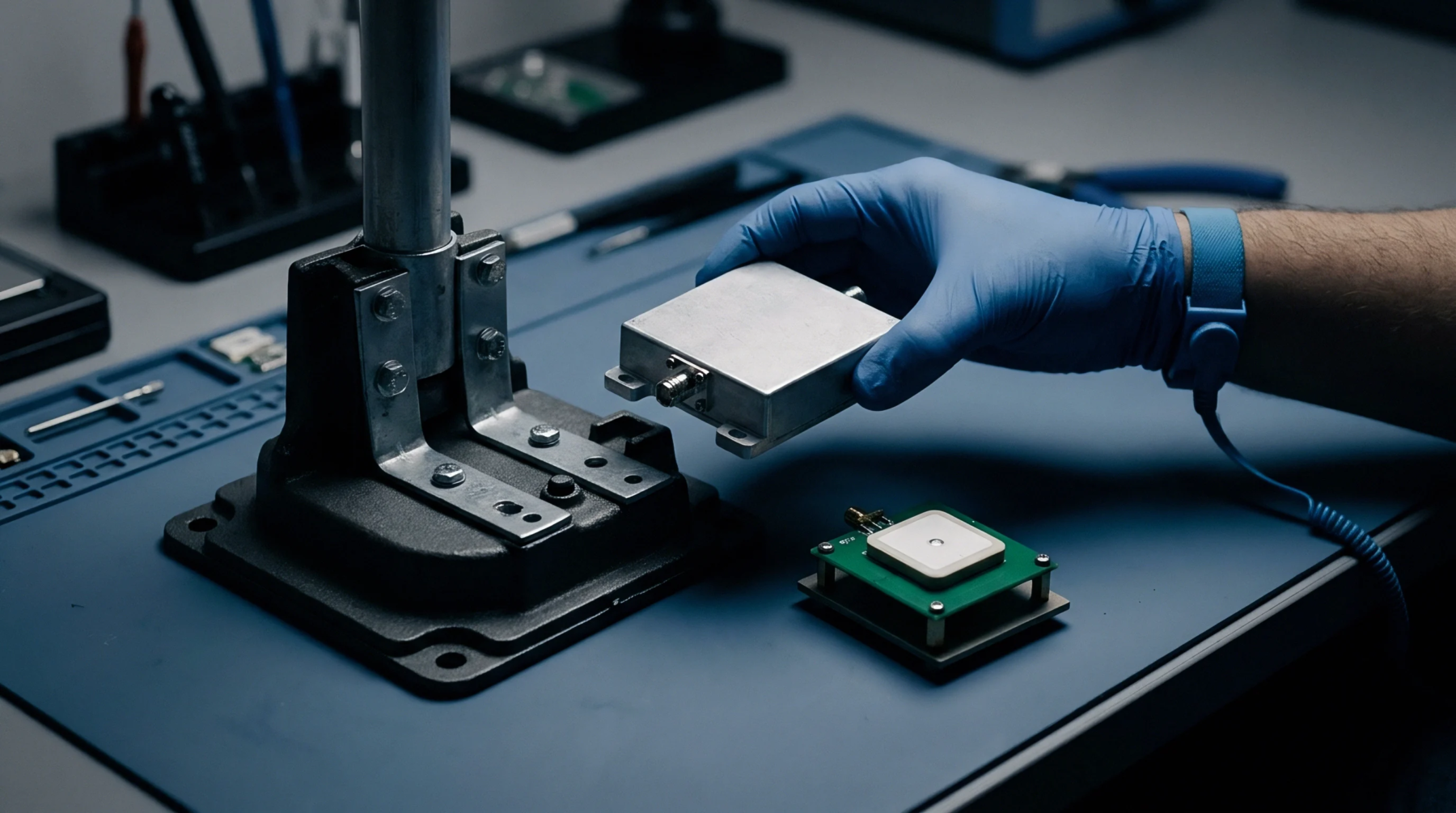
Customs officers perform a physical count of the items and compare the actual goods with the commercial invoice. During a red lane detention, sample units are selected for laboratory testing to verify their composition and compliance certifications. This physical check is slow and requires specialized handling to protect sensitive printed circuit boards and aluminum housings.
Impact Analysis
Extended waiting times at border points increase logistics expenses and disrupt the production schedules of assembly lines. When a high-priority batch of electronic enclosures experiences a red lane detention, the manufacturer faces delays that can postpone the launch of the final product. Companies must build buffer stocks of sensitive components to protect themselves from these regulatory delays, ensuring that an unexpected audit does not halt operations or jeopardize delivery commitments to major industrial clients.