Meaning
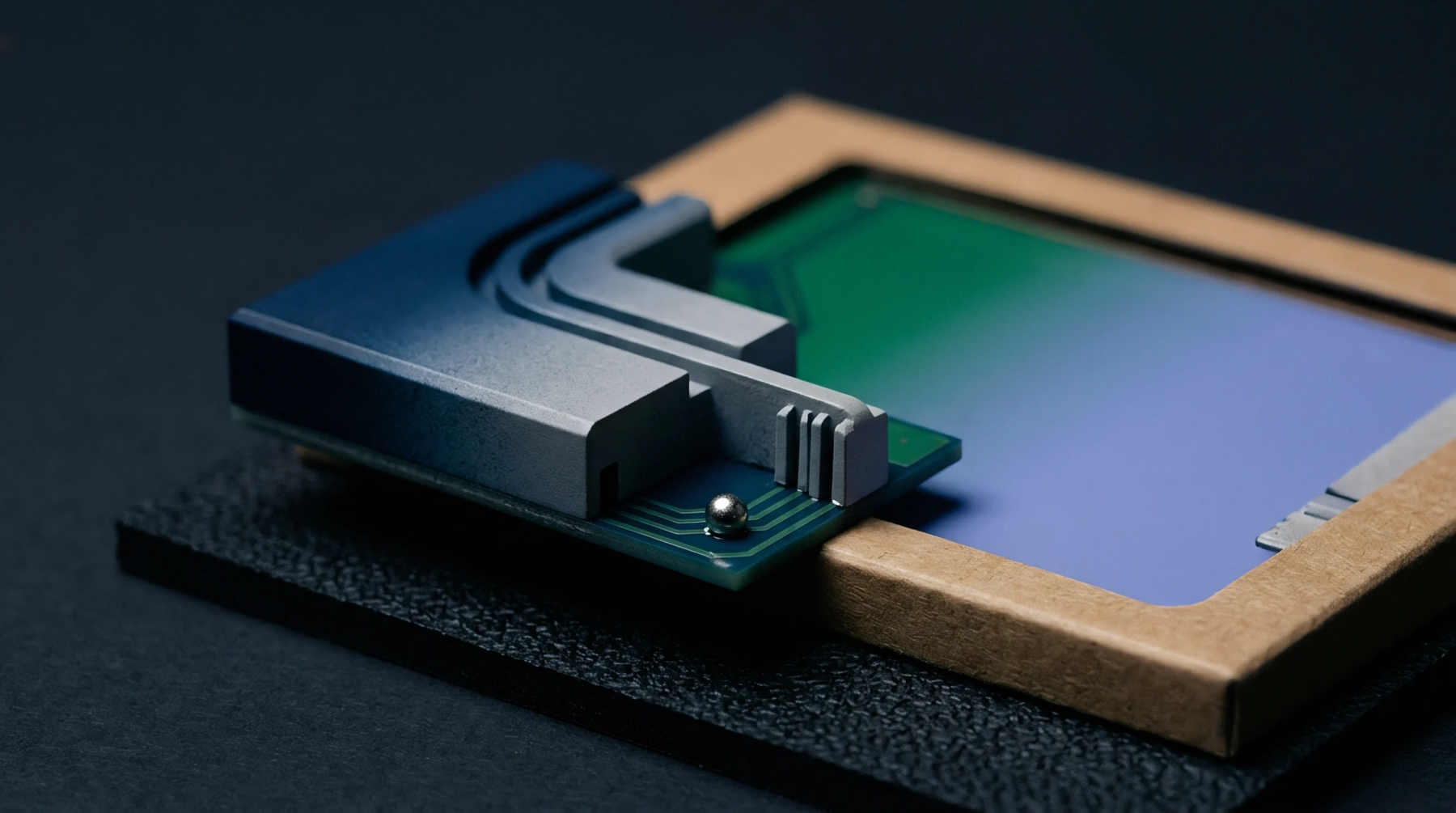
Metallized enclosure components form the localized electromagnetic interference barriers required to protect sensitive baseband components on densely packed printed circuit boards. An rf shield can establishes a localized Faraday cage that contains spurious radiation and prevents external radio frequency energy from disrupting nearby integrated circuits. Manufacturing tolerances govern the mechanical fit between the removable lid and the soldered perimeter fence, ensuring ground continuity without inducing excessive stress on adjacent solder joints.
Qualification testing verifies attenuation performance across specified gigahertz bands during the environmental stress screening handover stage.
Thermal Budget
Maintaining adequate heat dissipation paths requires careful consideration of the physical contact resistance between the lid and the underlying ground planes. Airflow restrictions inside small form factor chassis often force engineers to select materials with high thermal conductivity coefficients for the upper surface of the component. Conduction paths through mounting pins transfer dissipated energy directly to the internal copper layers of the circuit board.
Thermal simulations predict junction temperatures under maximum load conditions before physical tooling commences for mass production runs.
Mechanical Fit
Physical alignment challenges arise when dimensional stacking tolerances accumulate across multiple supplier components during final assembly processes. Automated pick and place machines position the perimeter frame onto paste reserves prior to convection reflow soldering operations. Surface flatness variations across the mating edges create gaps that compromise attenuation effectiveness at high frequencies.
Mechanical retention dimples provide the friction necessary to secure the removable cover against vibration profiles mandated by transportation standards.
Supplier Qualification
Vendor verification audits evaluate raw material purity and plating thickness uniformity across sample batches submitted for incoming inspection. Metallurgical cross sections reveal voids within the solder fillets that might otherwise pass visual inspection criteria on the factory floor. Acceptance documentation accompanies every production lot to satisfy regulatory compliance demands regarding spurious emissions limitations.
Component failure analysis reports document any degradation in shielding effectiveness resulting from exposure to corrosive atmospheres during operational lifecycles.