
Substrate Permittivity Thermal Drift in Microwave Printed Circuits
Thermal substrate drift detunes microwave filters and transmission lines, driving radiated emissions past regulatory limits during compliance sweeps.
Thermal substrate drift detunes microwave filters and transmission lines, driving radiated emissions past regulatory limits during compliance sweeps.

Module IP classifications in SOW contracts must split background platform code from custom radio layouts and link milestone payments to native source escrow release.

Switched lumped-element matching circuits reconcile regional sub-gigahertz allocations while maintaining link margins within two decibels across target bands.

Asset valuation baselines for electronics design transfers require native ECAD databases, uncompiled firmware source trees, and audited factory test tooling.

Multi-vendor radio module substitutions qualify for Class II Permissive Changes only when pin alignment, output power, and radiated emissions match baseline testing.
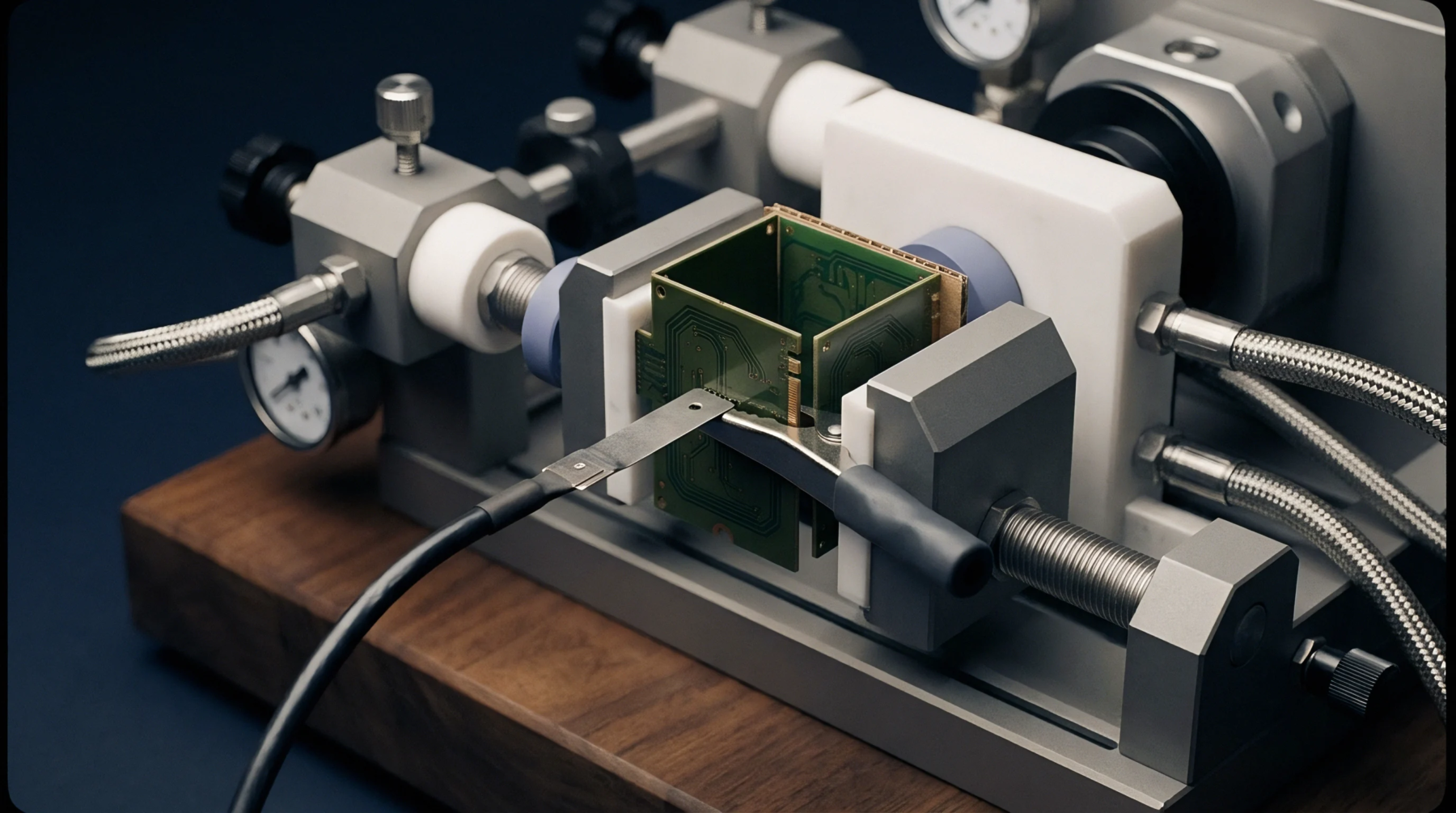
Contractual allocation of RF redesign costs requires an Interface Control Document stackup baseline, binding change orders, and tiered liability thresholds.
Silicon die shrinks accelerate output driver edge rates and elevate parasitic inductance, requiring full signal integrity auditing and updated IBIS models before drop-in assembly signoff.
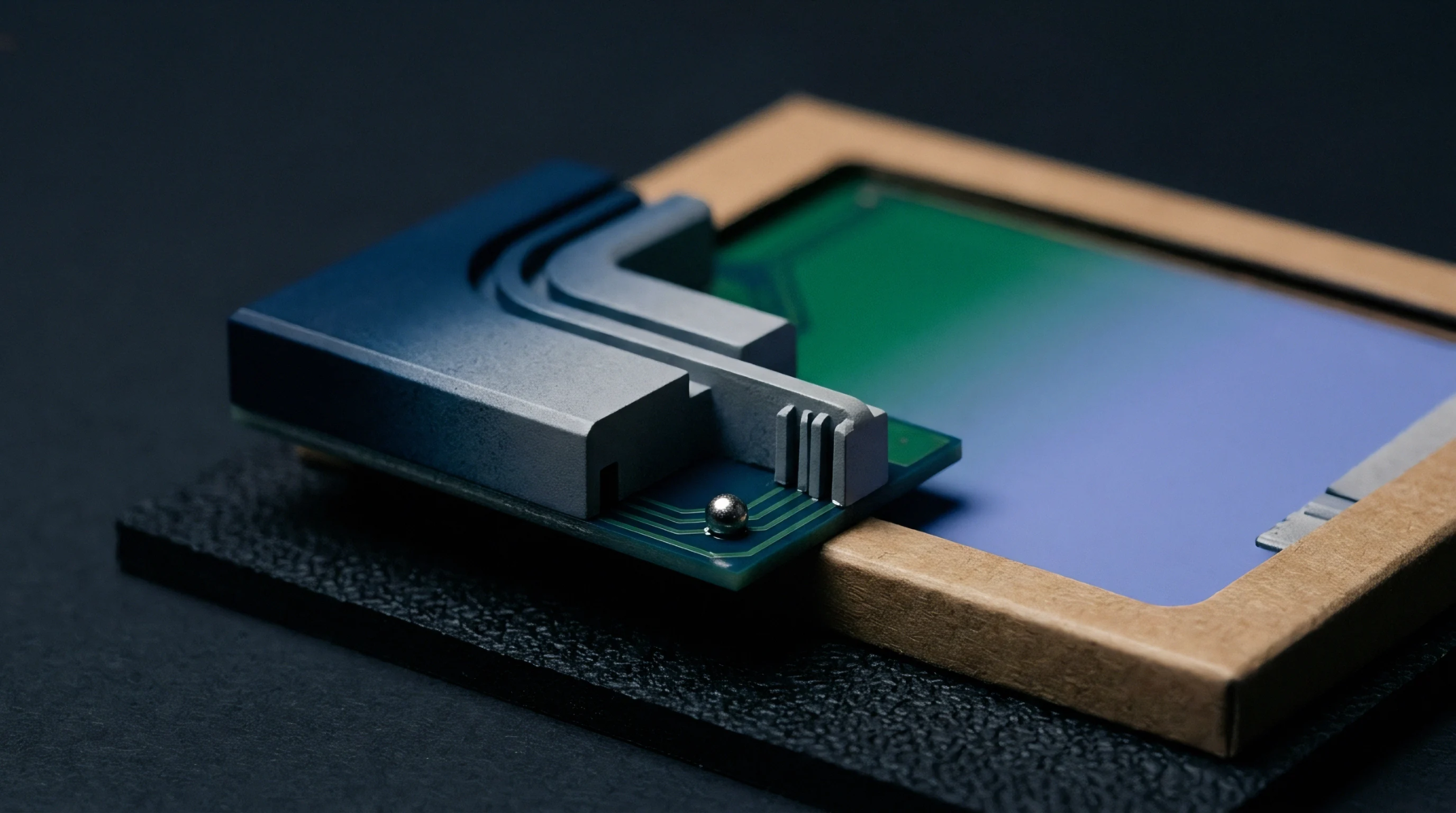
Align embedded radio hardware architecture with advance customs advance rulings to prevent costly port holds and duty adjustments under Harmonized System rules.

Host proximity near unlicensed module antennas degrades total efficiency and shifts harmonics over emissions thresholds requiring re-certification.
Expertise is a utility, not a secret. sentiention™ publishes its working knowledge as open reference: intelligence layer covering the materials it sources, the markets it enters, and the reference that serves both.