Meaning
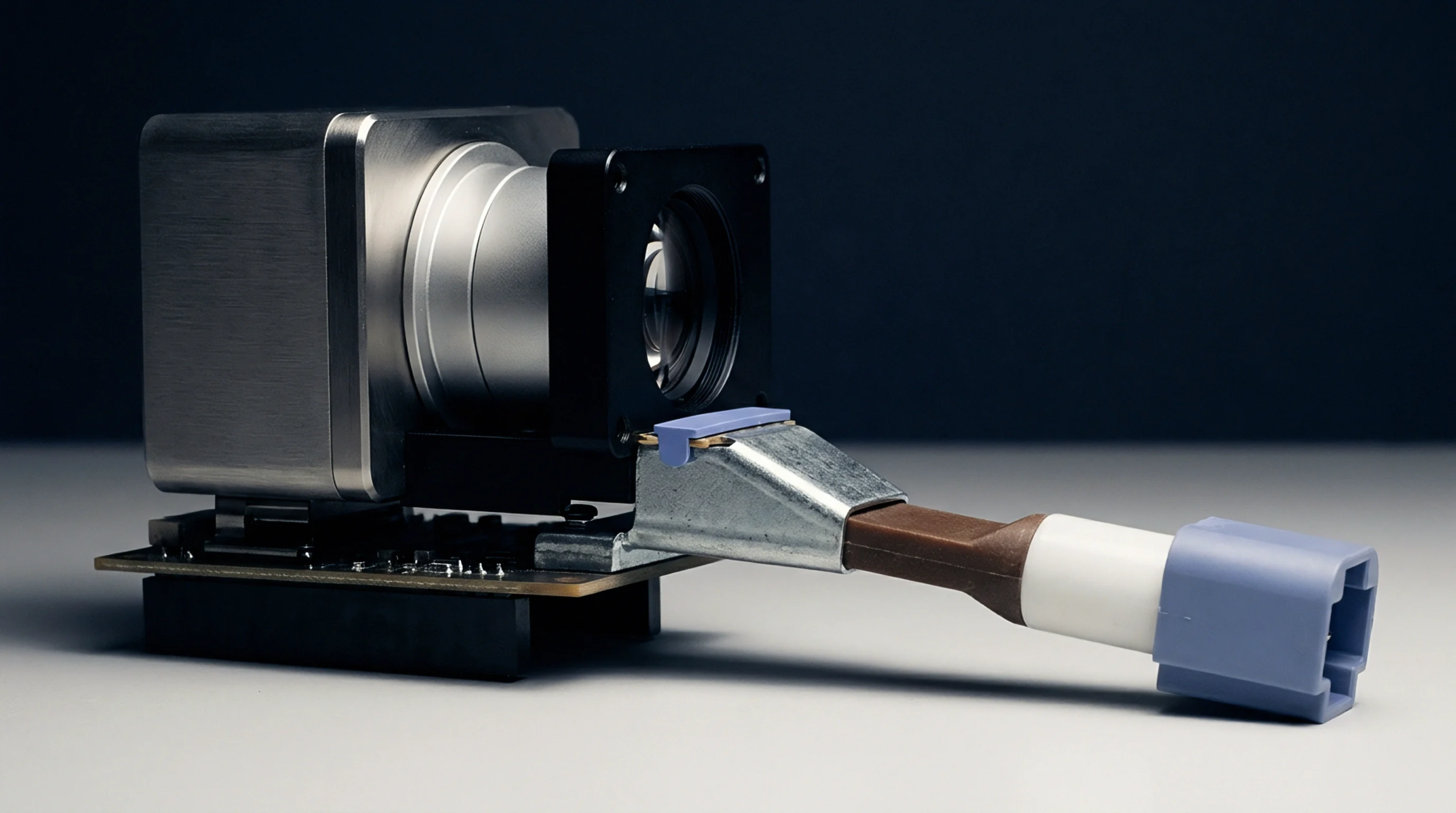
Characterization of electronic signal propagation between 100 GHz and 300 GHz constitutes the primary function of sub-terahertz testing. This process evaluates the integrity of signal transmission through high-frequency circuits and antennas. Engineers apply these diagnostic techniques to verify impedance matching across complex hardware interfaces.
Measurement equipment targets phase stability and insertion loss during prototype validation. Precision calibration remains necessary to isolate environmental interference from true material response.
Signal Propagation
High frequency signal paths require precise validation because standard electrical models lose accuracy as wavelengths approach the dimensions of circuit components. Sub-terahertz testing identifies parasitic capacitance and dielectric dissipation that degrade waveform quality at the point of integration. Active circuitry undergoes stress verification to ensure that thermal expansion does not disrupt the delicate alignment of wave guides.
Radiated emissions testing confirms that signal leakage remains within regulatory bounds for commercial transceiver deployment.
Calibration Procedure
Reliable data acquisition depends on the systematic removal of network analyzer errors through mechanical reference standards. Operators perform multi-line through reflect line measurements to establish a known baseline for the test environment. Subsequent signal captures compare the response of the device under test against this corrected plane to reveal true performance characteristics.
Proper setup avoids signal degradation by minimizing physical path length and physical transitions. Stable mounting configurations prevent micro-vibrations from skewing the measurement results during long duration acquisition cycles.
Systemic Constraint
Performance limitations arise from the high atmospheric absorption rates encountered when signals travel through non-vacuum test chambers. Sub-terahertz testing mandates the use of specialized shielding to maintain signal to noise ratios in laboratory settings. Semiconductor hardware displays sensitivity to substrate variations that become apparent only when these frequencies encounter molecular barriers.
Consistent measurement outcomes demand extreme environmental control over temperature and humidity throughout the validation cycle. Rigorous adherence to these physical requirements establishes the limit for reliable data transmission in modern communications architecture.