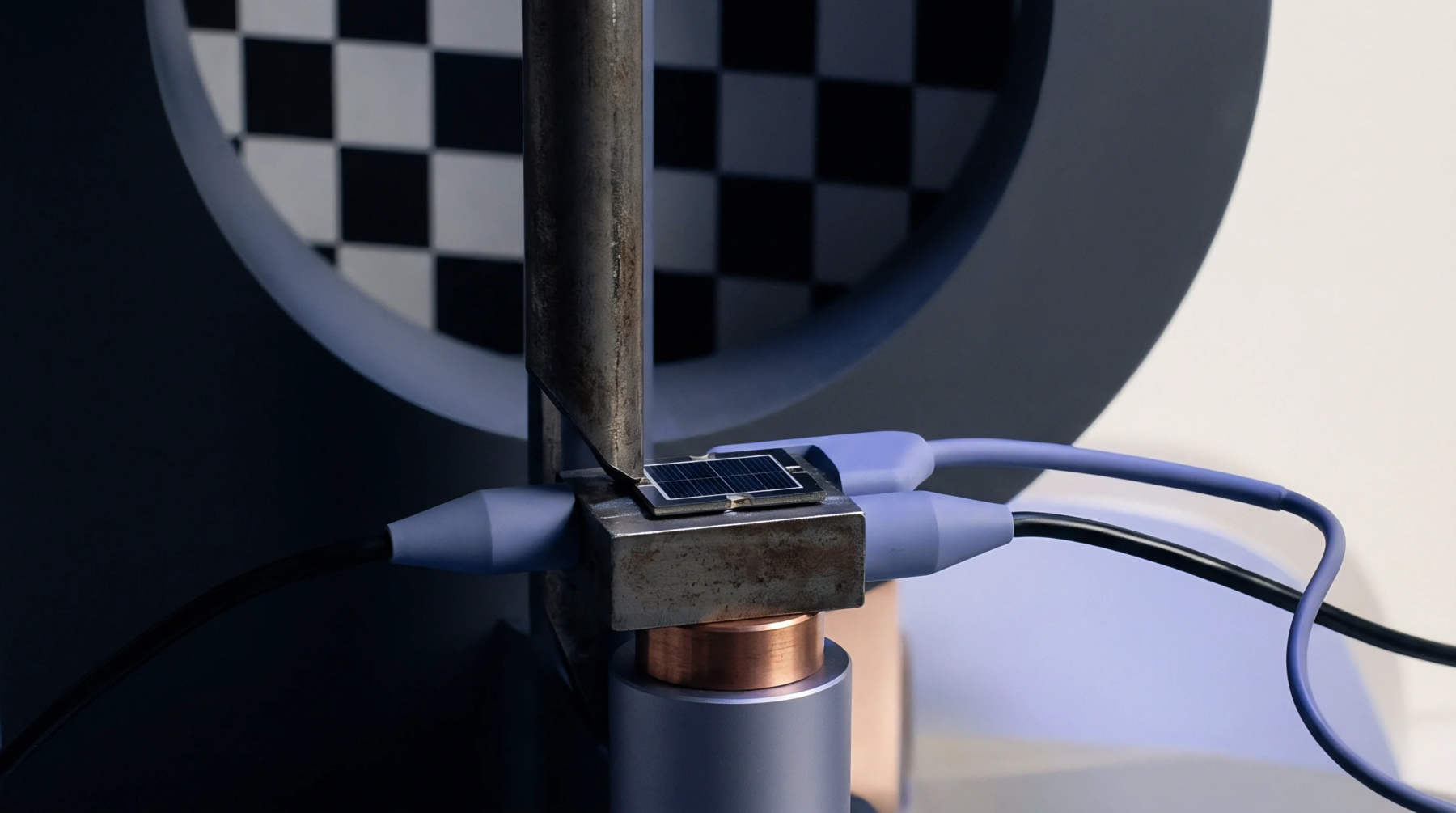
Characterizing Contact Surface Oxidation Dynamics in Modular RF Interconnects
Surface oxidation at RF contact interfaces increases skin-effect insertion loss and link margin erosion, requiring controlled normal force and plating standards.
Atmospheric degradation of metallic contact surfaces resulting from chemical reaction with airborne sulfur compounds produces an insulating film that impairs high-frequency electrical connections. This corrosion mechanism affects electronic assemblies exposed to hydrogen sulfide, sulfur dioxide, or elemental sulfur vapors, transforming elemental silver and copper into non-conductive metal sulfides. The reaction degrades edge-card connectors, radio frequency spring contacts, and board-to-board joints, leading to signal attenuation, passive intermodulation, and intermittent circuit continuity.
The boundary of this corrosion mode stops at noble metals such as gold and platinum, which lack chemical affinity for sulfur and remain immune to sulfidation under standard atmospheric conditions.
Exposure to sulfur-bearing environments drives spontaneous chemical conversion of exposed conductor boundaries into silver sulfide or copper sulfide films. Hydrogen sulfide gas, commonly originating from petrochemical operations, paper processing mills, wastewater systems, and volcanic geology, accelerates the growth of dendritic sulfide crystals. In the presence of relative humidity, moisture layers condense on metallic surfaces, dissolving atmospheric gases and creating an electrolyte that hastens crystalline growth.
Unlike oxide layers that often self-passivate and arrest further growth, silver sulfide creeps rapidly across adjacent gold plating boundaries through surface diffusion. The growing crystalline layer forms an irregular, high-resistance dielectric barrier between nominally touching contacts.
Signal path disruption occurs as the thickness of the sulfide film exceeds the tunneling limit of incident high-frequency currents. In radio frequency systems, current concentrates in the outer skin of metallic pins, meaning even superficial sulfide tarnish dramatically increases surface resistivity and degrades return loss. Low-force contact pins, such as those found in mobile device antenna interconnects or micro-miniature coaxial interfaces, lack sufficient normal mechanical force to pierce the ductile tarnish layer.
The resulting interface develops non-linear electrical behavior, generating passive intermodulation products that desensitize nearby radio receivers. Circuit resistance spikes from milliohms to megaohms, manifesting as intermittent packet loss or dropped wireless links.
Protection of hardware deployed into harsh environments requires barrier plating schemes and robust material qualification testing. Electronic assemblies must undergo mixed flowing gas chamber testing according to ASTM B845 or IEC 60068 standards, which simulate years of atmospheric sulfur exposure over multi-week test durations. Specifying hard gold plating over a non-porous nickel diffusion barrier prevents base copper and silver underplates from migrating to the surface and reacting with sulfur vapors.
Conformal coatings and potting compounds seal sensitive printed circuit board traces against gaseous ingress, though moving contact interfaces must rely on tight environmental gaskets. Enclosure designs utilizing vapor-phase corrosion-inhibiting materials further suppress sulfide accumulation inside sealed connectivity housings.
Surface oxidation at RF contact interfaces increases skin-effect insertion loss and link margin erosion, requiring controlled normal force and plating standards.
Expertise is a utility, not a secret. sentiention™ publishes its working knowledge as open reference: intelligence layer covering the materials it sources, the markets it enters, and the reference that serves both.