Meaning
Electronic manufacturing process involves placing miniature components directly onto the surface of a printed circuit board and soldering them into place through high temperature thermal cycles. A surface mount assembly replaces the older through hole technology by eliminating the need for long wire leads that pass through pre drilled openings in the substrate. This transition allows for much smaller device footprints and the use of both sides of the board to maximize functional density within a connectivity module.
The technique focuses on speed and precision through the use of automated robotics and specific stencil designs. It governs the production of nearly all compact portable electronics but stops being applicable for heavy duty power components requiring extreme mechanical reinforcement.
Mechanical Precision
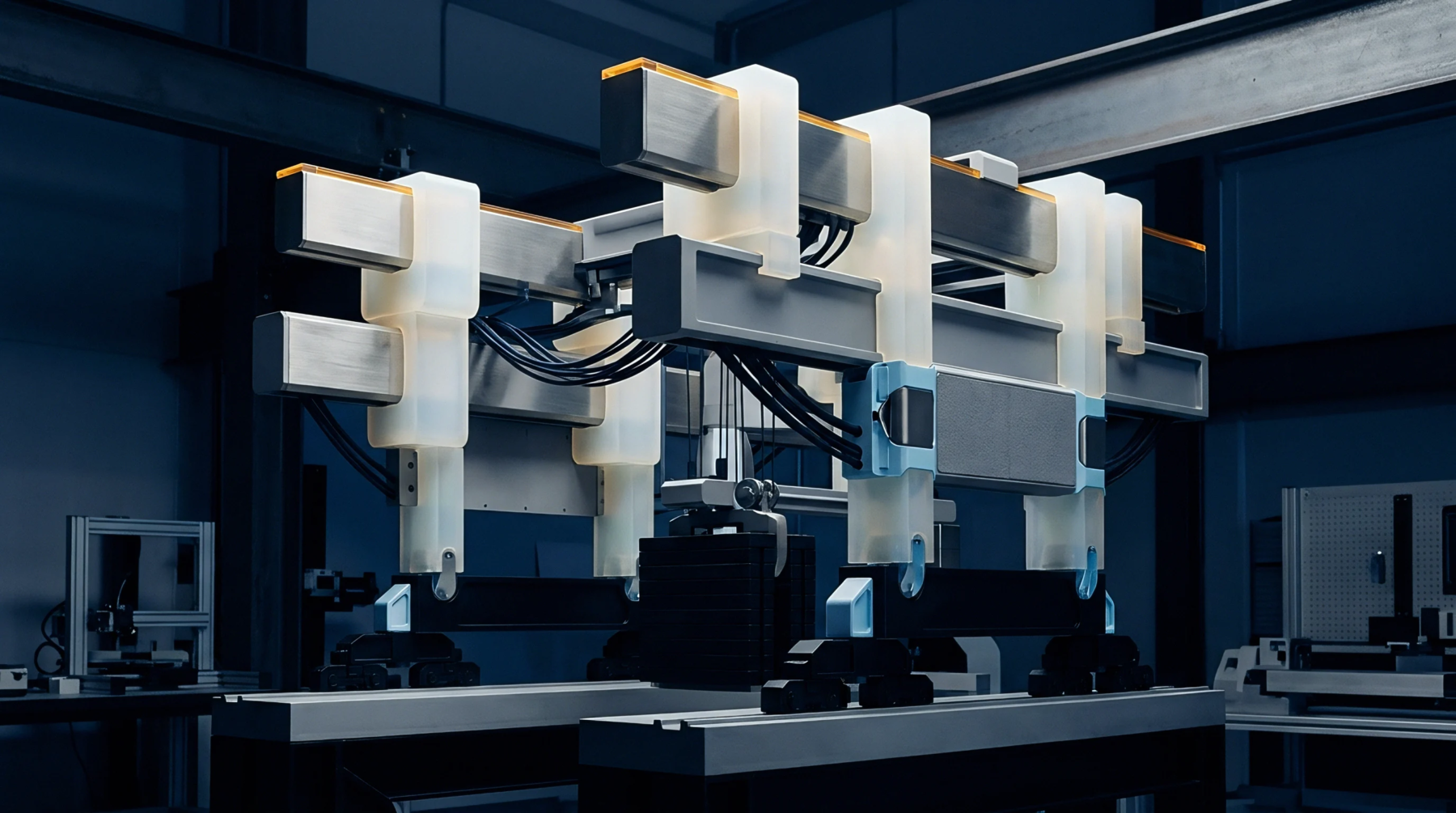
Vacuum nozzles pick each resistor and microchip from high speed reels and deposit them onto the board with micron level repeatability across thousands of units per hour. During surface mount assembly a precisely cut stainless steel stencil applies a layer of solder paste only to the pads where electrical contacts are required. This ensures that minimal material is wasted and decreases the risk of bridge shorts between adjacent pin sites on the high density board.
Vision systems within the robots verify that the orientation of every component matches the blueprint before releasing them into the glue or paste. Accurate placement is essential because the tiny footprints of modern radio chips do not allow for even slight deviations in alignment. Reliability here is fixed by the resolution of the robotic motors and the flatness of the laminate layers.
Reflow Dynamics
Conveyor ovens move the loaded boards through several zones of controlled infrared heat to melt the paste and create a permanent metallurgical bond. When surface mount assembly reaches the liquid phase the tension of the molten solder helps pull small parts into perfect alignment with their designated landing zones. Thermal profiles must be monitored to ensure that sensitive logic gates inside the silicon are not damaged by excessive exposure to high temperatures.
Cold solder joints occur if the core does not reach the target transition level within the specified number of seconds. Once cooled the bond provides both electrical connectivity and the primary mechanical structure for the small pieces of hardware. This phase is monitored through calibrated sensors to keep every batch consistent.
Quality Inspection
Automatic optical tools analyze the finished board by comparing it against a known good master image to look for missing parts or misaligned traces. Using surface mount assembly allows for non invasive testing because probes only need to touch the flat accessible tops of the connectors or specific test points. Solder joints are inspected for the correct fillet shape which indicates a strong connection that will withstand vibration and drop cycles in the field.
If a defect is found the unit is marked with a laser for rework or disposal before it moves to the next manufacturing station. This automated check is far faster than human vision and ensures that even microscopic errors are captured in the record. The output data drives improvements in the machine settings during the following production shift.