Meaning
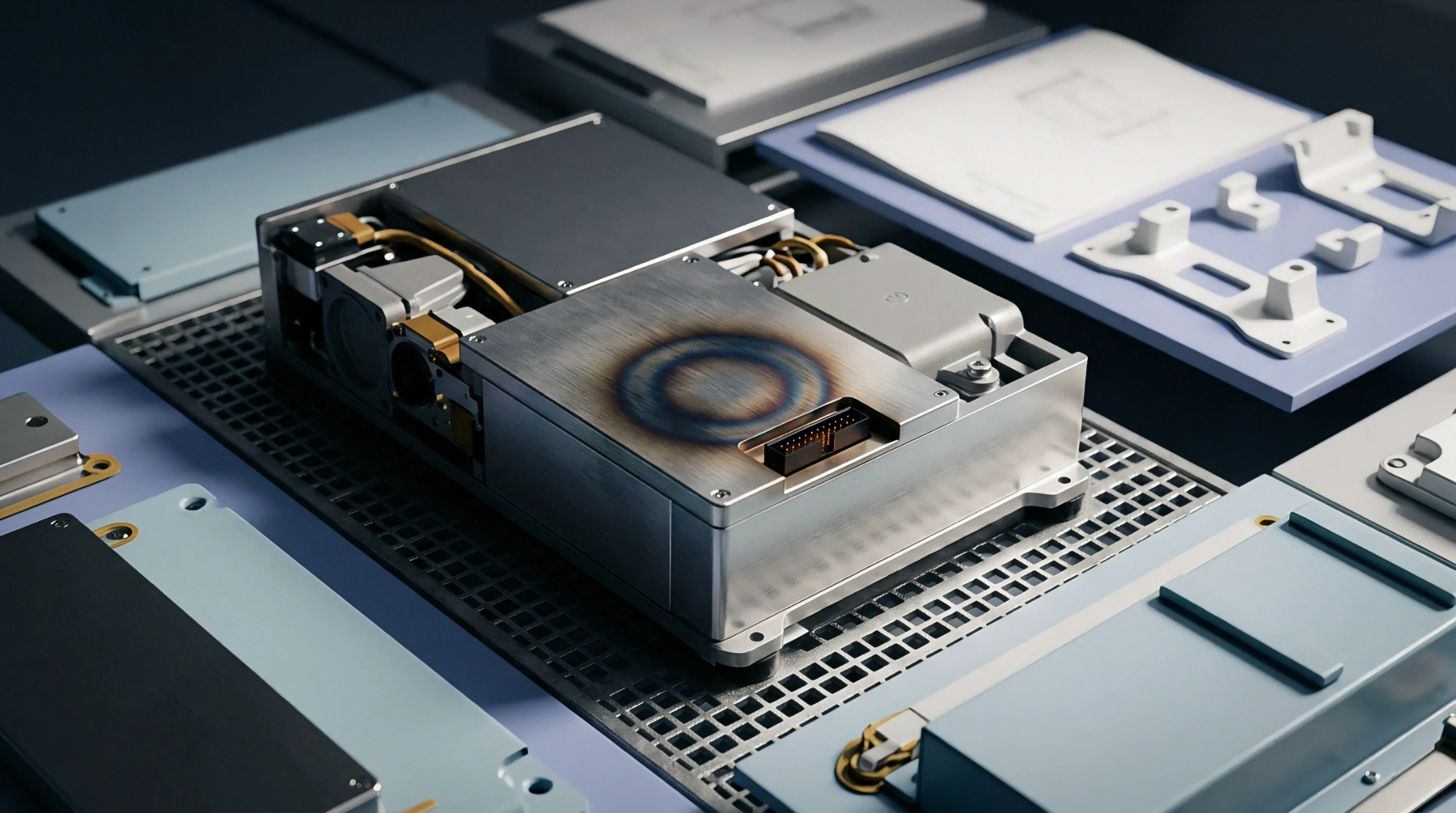
An electronic circuit component converts high frequency electrical signals into radio waves for wireless transmission and reverses the process for signal reception. This surface-mount rf transceiver occupies a fixed footprint on a printed circuit board to handle modulation and demodulation tasks within a compact package. The architecture supports bidirectional data flow by integrating oscillators and mixers within a single silicon die.
Thermal Budget
Heat dissipation remains a primary constraint during component selection because dense packaging limits the airflow around active silicon layers. Engineers must calculate the junction temperature rise based on the power output and the effective thermal conductivity of the substrate pads. Sufficient copper pouring on the board acts as a heat sink to prevent thermal throttling during periods of sustained radio activity.
This design requirement dictates the layout of ground planes directly beneath the device to ensure mechanical stability. Performance stability stays within specified limits only when the junction temperature remains below the ceiling defined by the manufacturer for long term reliability.
Interface Protocol
Digital control pins define the communication path between the primary system processor and the radio frequency stages. Standard buses such as serial peripheral interface or inter integrated circuit move configuration packets into the internal registers of the transceiver. Logic level compatibility determines the signal integrity of these command lines across the trace length.
High speed operation necessitates short traces to mitigate electromagnetic interference that affects signal phase accuracy. Shielding covers provide additional protection for sensitive pins against external noise spikes.
Assembly Verification
Automated optical inspection confirms the alignment of every solder joint after the reflow process completes in the manufacturing line. X ray imaging detects hidden defects such as solder voids under the central thermal pad which indicate poor connection quality. Correct wetting of the pins ensures the electrical continuity required for stable radio performance at the target frequency band.
Finished units pass through a final radio frequency test station where calibrated equipment measures gain and sensitivity to confirm the transceiver meets all documented specifications.