Meaning
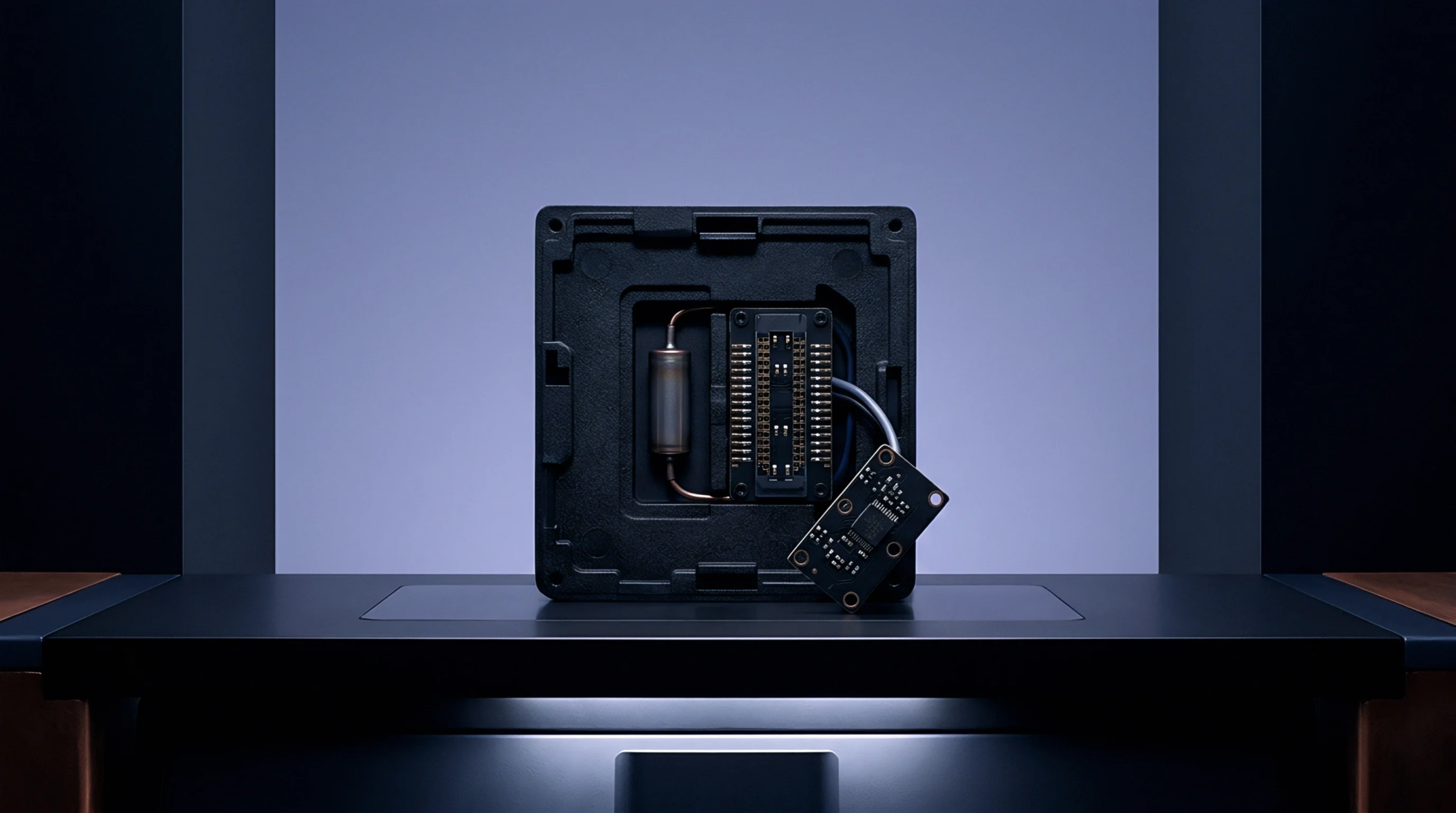
Electromechanical hardware component allows for the repeated insertion and removal of semiconductor devices during verification procedures. A test socket creates a non-permanent connection that enables data transfer between a chip and the diagnostic equipment. This prevents damage to the delicate leads of the component being evaluated.
Contact Technology
Springs or pogo pins within the housing compress against the pads of the device under test. The design of a test socket must account for parasitic capacitance and inductance that could distort high-frequency signals. Precious metal coatings on the pins ensure low contact resistance over thousands of cycles.
Thermal Management
High-performance processors generate heat during stress tests. A test socket often includes an integrated heat sink or a fan to maintain the component within its safe operating temperature range. Airflow channels are carved into the plastic body to facilitate cooling.
Durable Interface
Wear and tear are inevitable in high-volume production environments. Every test socket has a rated lifespan after which the contact pins must be cleaned or replaced. Monitoring the yield of a test station often reveals when a socket has reached its end of life.
Maintaining a log of insertion counts prevents the use of worn hardware that could damage new devices. This proactive replacement schedule stabilizes the data coming from the factory floor.