Meaning
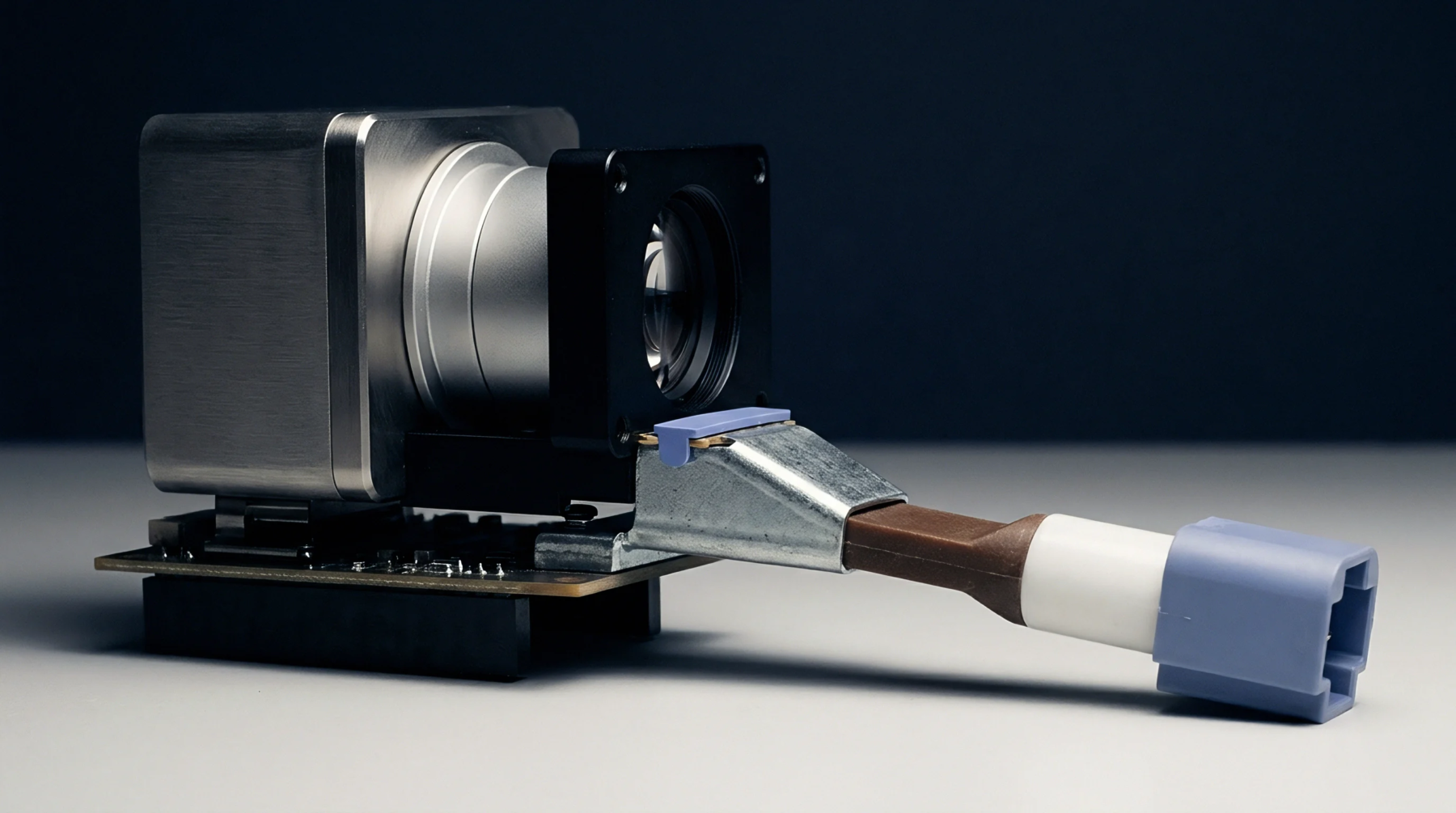
Positional errors caused by the change in size of mechanical parts as they heat up can compromise the accuracy of high precision measurements. Thermal expansion drift occurs when the frame of a machine or the mounting of a sensor undergoes a temperature shift during operation. This effect is particularly noticeable in automated optical inspection where the camera focus or position might shift by several microns.
Material Distortion
Different coefficients of expansion for aluminum and steel lead to uneven movements in a mixed metal assembly. The thermal expansion drift causes the relative distance between the lens and the target to change over time. Engineers select low expansion alloys like Invar to minimize this effect in sensitive optical paths.
Sensor Alignment
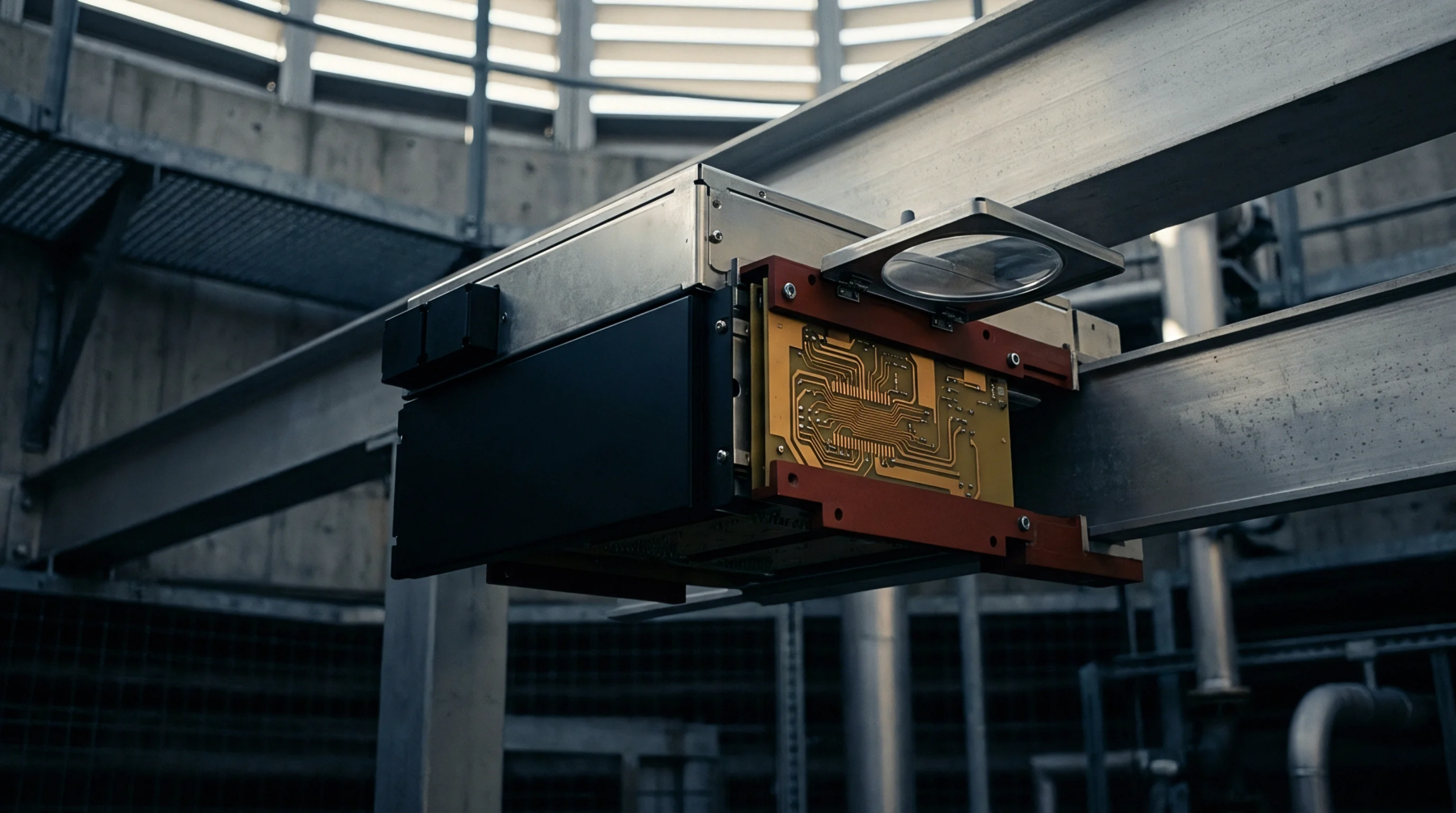
Calibrated positions of sensors must be periodically verified to account for the slow movement of the mechanical structure. A thermal expansion drift that is not compensated for will result in a gradual decline in the measurement accuracy. Most systems use a reference target to detect and correct these shifts without stopping the production line.
Compensation Method
Software algorithms use data from temperature sensors to apply a real time correction to the coordinate system. By predicting the amount of thermal expansion drift based on the current machine state the controller can maintain the required tolerance. This active management allows for high precision operation in environments that are not strictly climate controlled.
Regular maintenance schedules also include a thermal stability check where the machine is run for several hours to reach its steady state before final calibration.